Texas Blackland Prairies, Level III ecoregion in Texas, United States
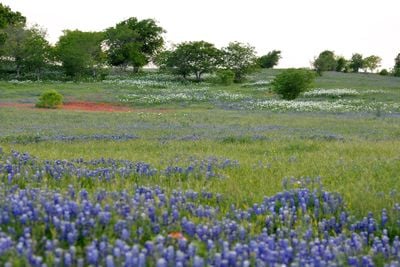
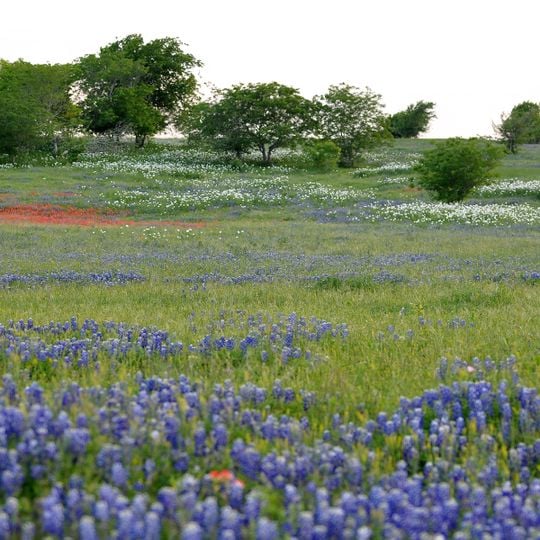
Texas Blackland Prairies is a level III ecoregion in Texas, United States, characterized by dark, clay-rich soils and tallgrass vegetation. The region forms a narrow band running north to south through the state, with a landscape that shifts between cultivated fields and remnants of native grassland.
The prairies formed thousands of years ago, and before European settlement, they were home to bison and Native American tribes. In the 19th century, settlers converted much of the land to agriculture, altering the original grassland.
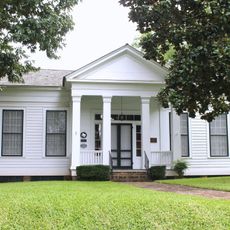
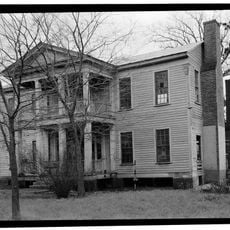
The dark soil of the prairies has long supported farming, and today the area is known for cotton, corn, and other crops. Visitors can see old farmhouses and barns that reflect the rural life of the region.
Visitors can explore the area by car along rural roads, but many parts are private farmland, so respect property boundaries. Spring is the best time to see wildflowers and green fields, while summer can be very hot and dry.
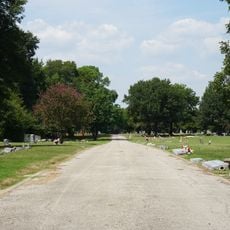
The soil in this ecoregion is among the darkest and most fertile in Texas, which is why so little of the original prairie remains. Some small patches of native grassland still exist along roadsides and in cemeteries, offering a hint of the past landscape.
The community of curious travelers
AroundUs brings together thousands of curated places, local tips, and hidden gems, enriched daily by 94,525 contributors worldwide.