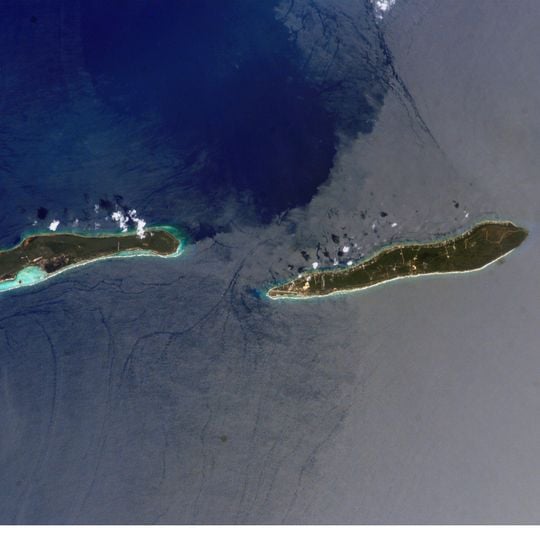
Cayman Islands, British territory in Caribbean Sea
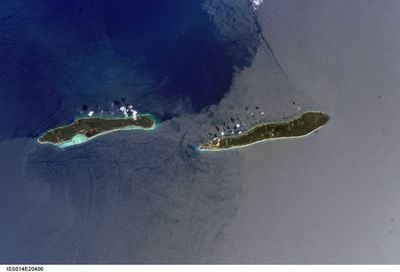
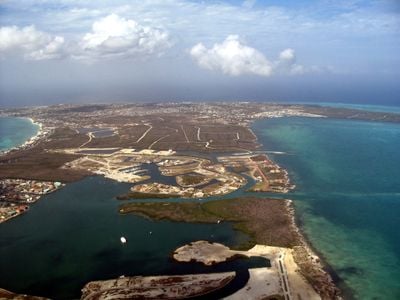
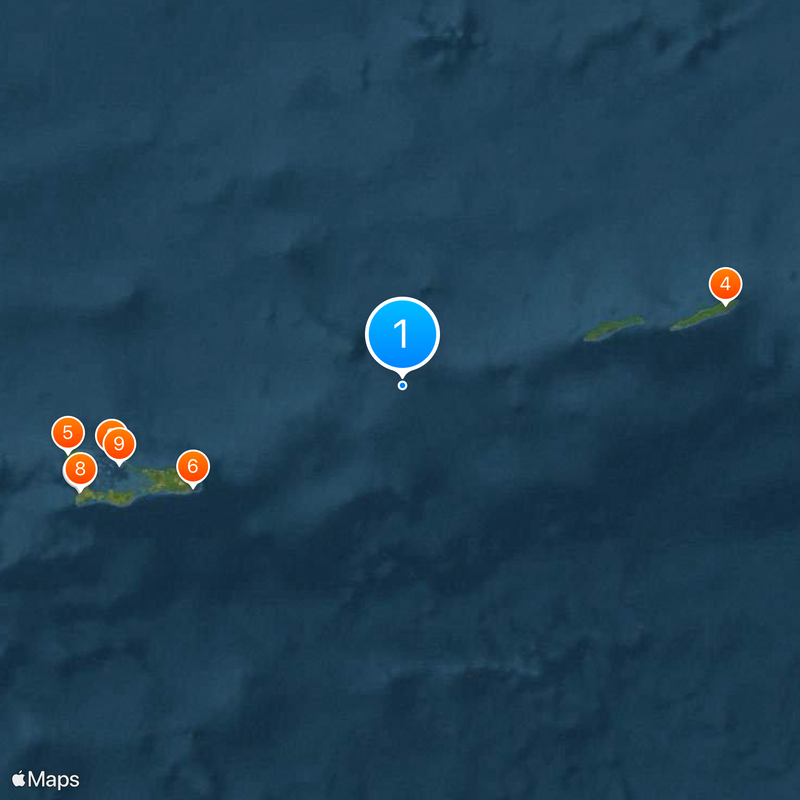
The Cayman Islands form an archipelago of three main islands—Grand Cayman, Little Cayman and Cayman Brac—surrounded by coral reefs and marine formations. The largest island, Grand Cayman, contains the capital George Town and most settlements, while the two smaller islands lie to the northeast with much lower population densities.
Christopher Columbus sighted the islands in 1503 during his fourth voyage to the Americas and named them Las Tortugas due to the sea turtles he observed. British control began in 1670 through the Treaty of Madrid, and the territory was governed from Jamaica until that island became independent in 1962, when the islands received separate Crown Colony status.
The traditional seafaring culture shapes local identity, as many residents trace their roots to shipbuilders, fishermen and turtle hunters who worked these waters. Community events celebrate this maritime tradition through boat races and regional dishes, while English remains the language used in daily life and administration.
Owen Roberts International Airport in George Town serves as the main entry point with direct flights from several North American and European cities. The territory lies within the Atlantic hurricane zone, with the drier months from December through April generally offering more favorable travel conditions.
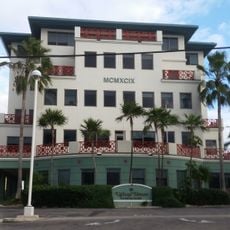
More than 100,000 companies maintain registration here, making this territory a major international financial center with no direct taxation. The stock exchange lists over 10,000 securities, mainly from alternative investment funds and structured financial products, and this financial industry employs nearly half the workforce.
The community of curious travelers
AroundUs brings together thousands of curated places, local tips, and hidden gems, enriched daily by 91,141 contributors worldwide.