Marajó, Fluvial island in Pará, Brazil
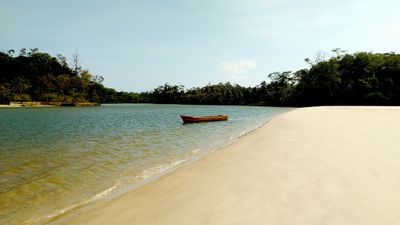
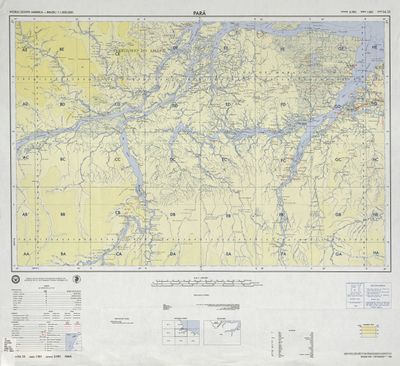
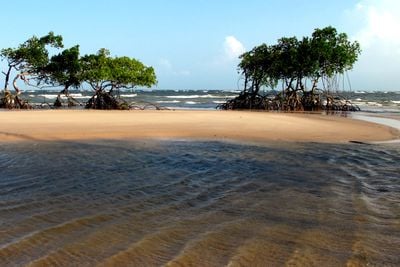
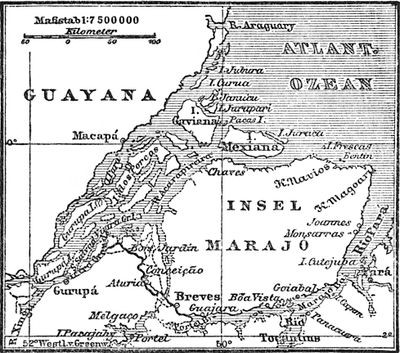
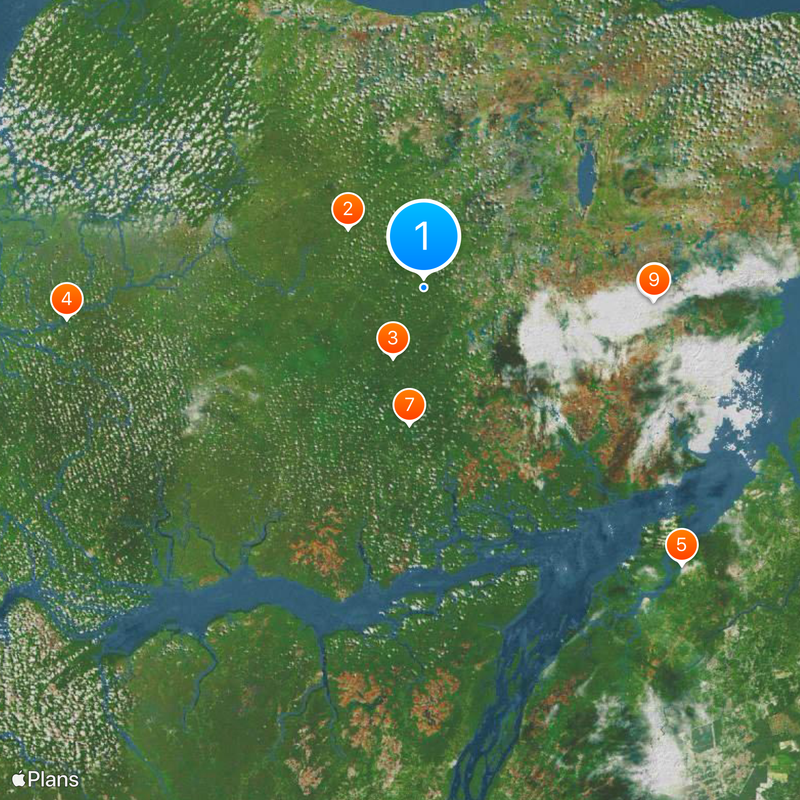
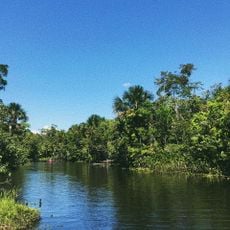
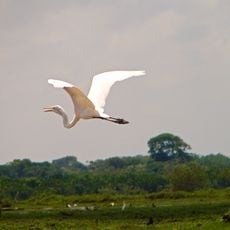
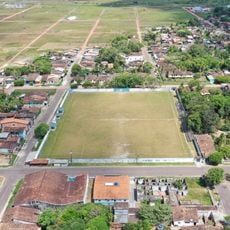
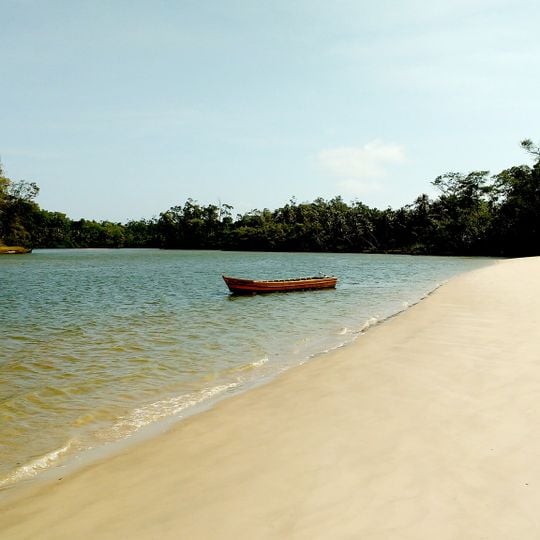
Marajó is a fluvial island at the mouth of the Amazon River covering 40,100 square kilometers (15,500 square miles) of savanna, wetlands and forests. The landscape shifts between open grasslands in the east and dense tropical rainforest in the west, broken up by rivers and marshes.
The Marajoara culture settled the island from 400 BC to 1600 AD, developing pottery and complex social structures. European colonizers reached the area in the 17th century and introduced cattle ranching, which continues to shape the economy today.
Water buffalo shape the landscape and serve residents as working animals and as sources of meat for regional dishes. Fishing villages along the coast depend on the catch and process fish using methods passed down through generations.
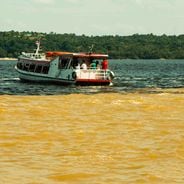
Ferries connect the island town of Soure with Belém on the mainland, with the crossing taking several hours. Boats serve as the main mode of transport within the island, especially during the flood period between January and June.
During the rainy season, wide areas turn into interconnected lakes, which is why many houses stand on stilts. Archaeological sites with pottery remains from the Marajoara culture lie scattered across the island and are partly accessible to visitors.
The community of curious travelers
AroundUs brings together thousands of curated places, local tips, and hidden gems, enriched daily by 91,263 contributors worldwide.