Raukokore, human settlement in New Zealand
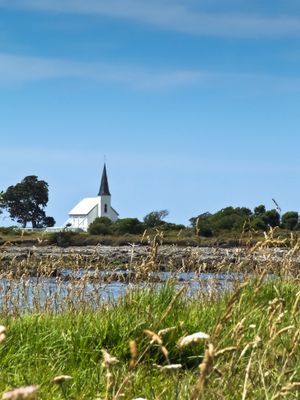
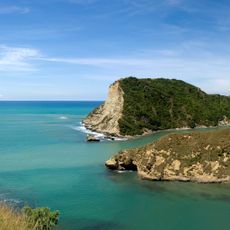
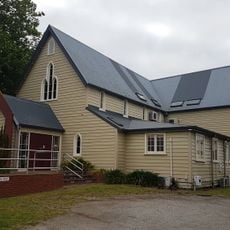
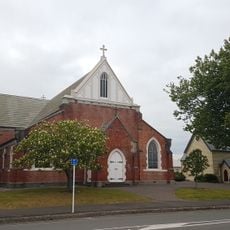
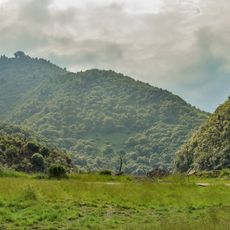
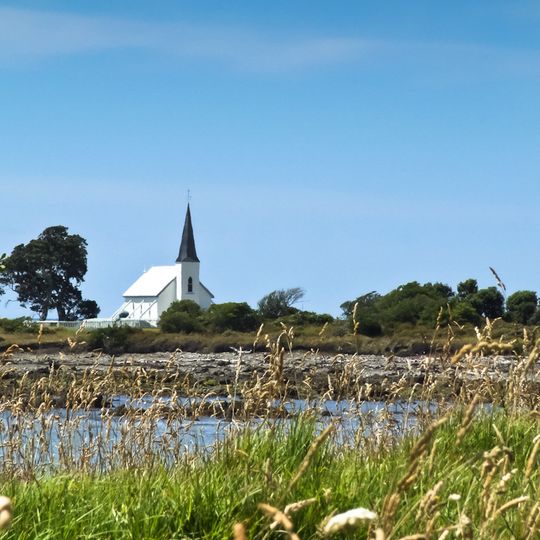
Raukokore is a small coastal locality on New Zealand's North Island where the Raukokore River meets Papatea Bay. The settlement centers on Christ Church, a wooden Anglican church built in 1894 on a hilltop with ocean views, surrounded by gravel beaches and forested hills from the Raukūmara Range.
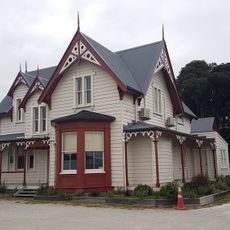
Raukokore was long settled by Māori people, its name reflecting tribal conflicts of the past. In 1894, Scottish carpenter Duncan Stirling built the wooden Christ Church, which symbolized integration between Māori and Europeans and later served as a memorial for local soldiers of World War II.
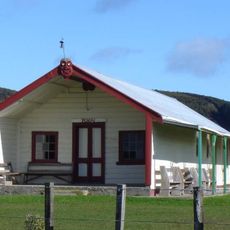
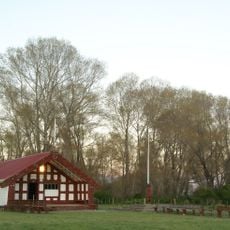
Christ Church represents a historical meeting point between Māori and European settlers, with the local community maintaining strong Māori traditions and language today. The Wairuru Marae serves as a gathering place where people celebrate cultural events and remember their ancestors.
The locality is accessible by a coastal road that can flood during heavy rain and easterly storms, potentially cutting off access. Visitors should expect a quiet, remote village with few shops or services, so it is best to arrive prepared with supplies.
A whale bone arch once marked this location's whaling history but is now preserved in a museum in Whakatane. The church builder Duncan Stirling married a local Māori woman named Mihi Kōtukutuku, symbolizing the cultural bond between the two communities.
The community of curious travelers
AroundUs brings together thousands of curated places, local tips, and hidden gems, enriched daily by 60,000 contributors worldwide.