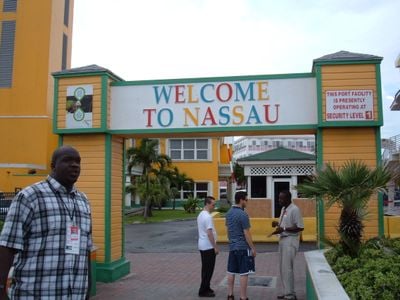
Nassau, Capital city in New Providence Island, The Bahamas
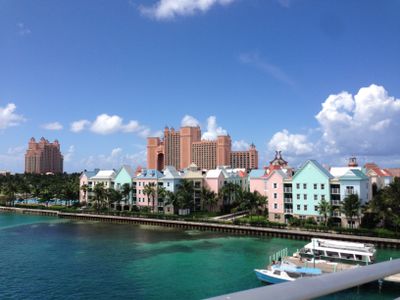
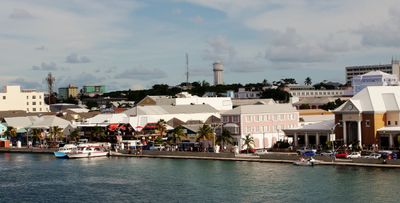
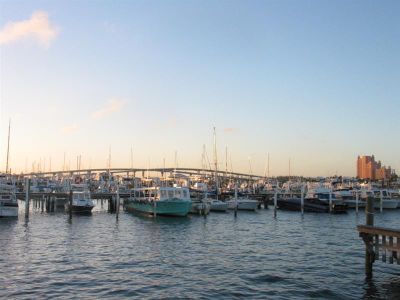
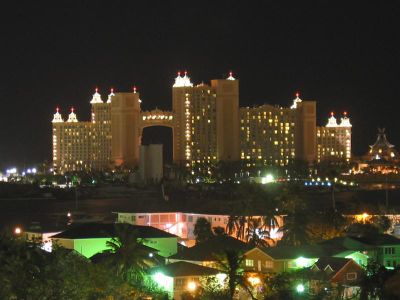
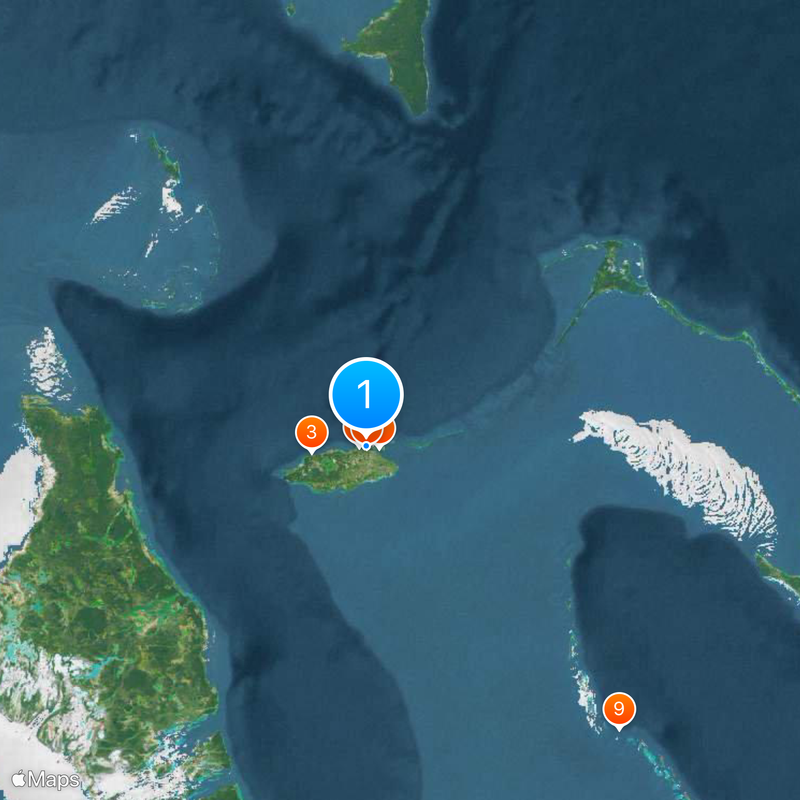
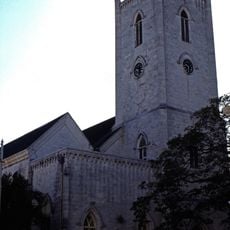
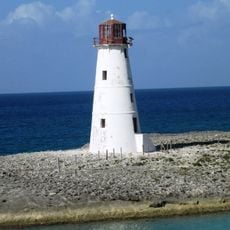
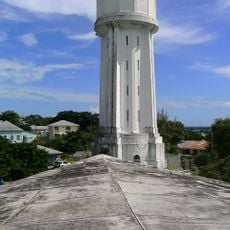
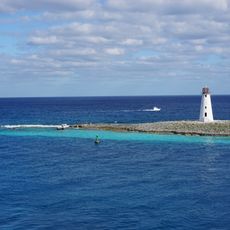
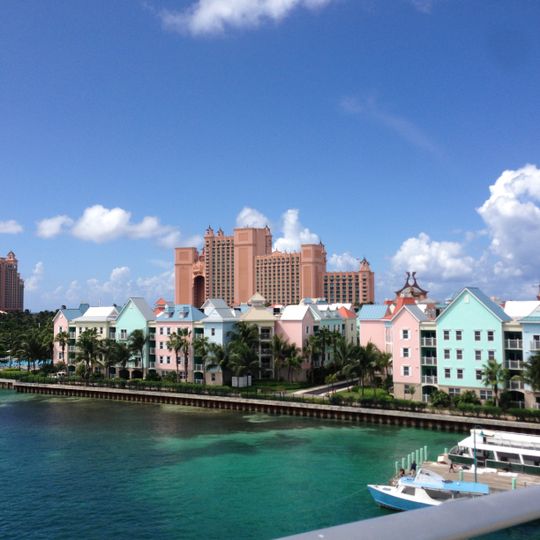
Nassau is the main settlement of the nation, spreading along the coast with pastel-colored buildings, narrow streets lined with palm trees, and a natural harbor where cruise ships dock next to fishing boats. The downtown area features low-rise colonial structures with shuttered windows, while residential neighborhoods climb gentle hills inland with wooden houses and shaded gardens.
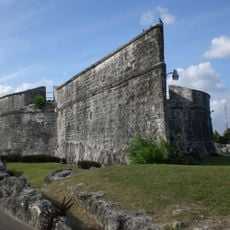
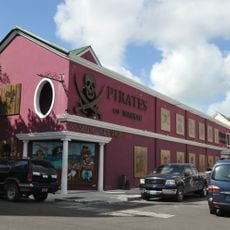
British settlers founded the town in the 1600s on the site of an earlier Spanish outpost, naming it after a German prince who later became King William III of England. Pirates used the harbor as a base until a naval officer arrived to restore royal control, ending the lawless period and establishing trade routes across the Atlantic.
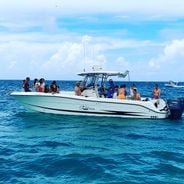
Locals gather at outdoor fish fry shacks along the waterfront, serving grilled lobster and conch fritters while reggae and calypso music play in the background. Families spend weekends sailing small boats around the harbor, and vendors weave straw baskets by hand in the marketplace, continuing techniques passed down through generations.
Most hotels and guesthouses sit within walking distance of the harbor, and visitors can explore the compact downtown area on foot in a few hours. Local buses called jitneys run frequently along main routes, and water taxis connect the city to nearby islands for day trips.
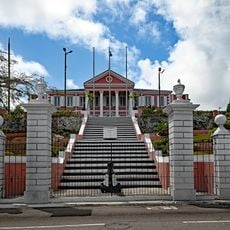
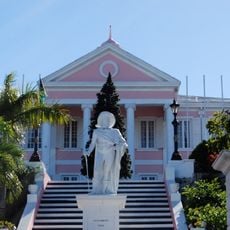
Underground tunnels beneath Parliament Square once served as smuggling routes for rum and other goods, and some passages still run beneath the modern streets. A small pink government building downtown functions as the oldest wooden structure in continuous public use, holding official meetings since the late 1700s.
The community of curious travelers
AroundUs brings together thousands of curated places, local tips, and hidden gems, enriched daily by 90,789 contributors worldwide.