Clayton, town in Alabama, United States of America
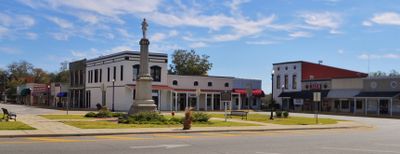
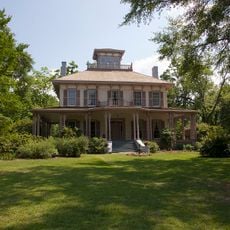
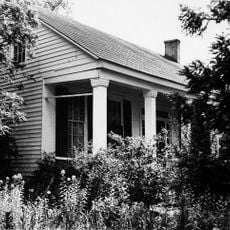
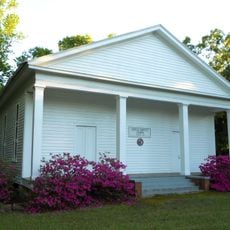
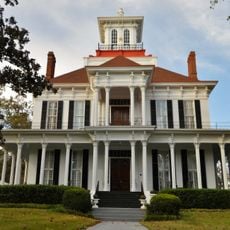
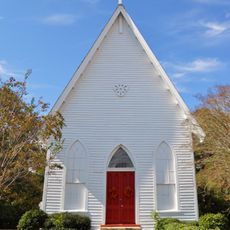
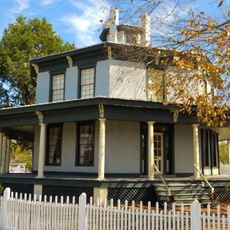
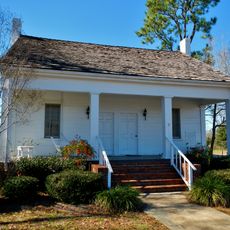
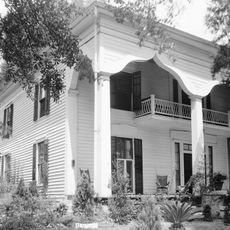
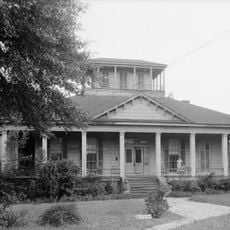
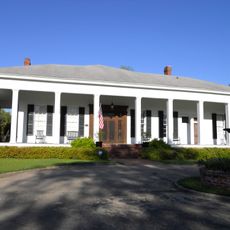
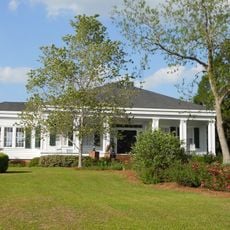
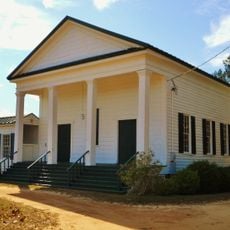
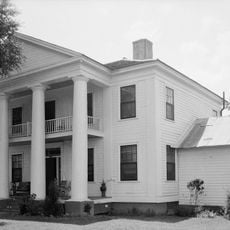
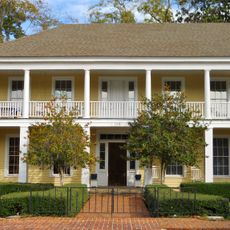
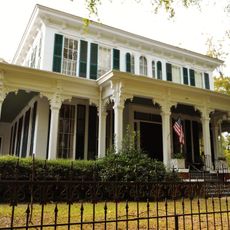
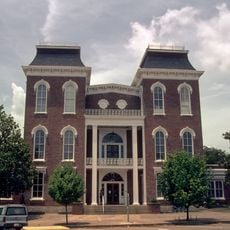
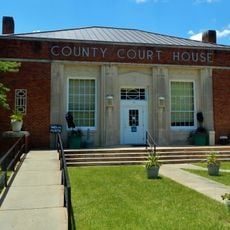
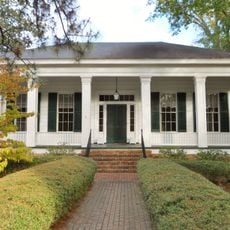
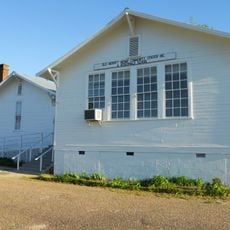
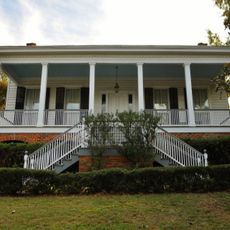
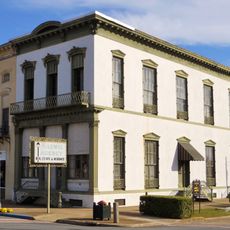
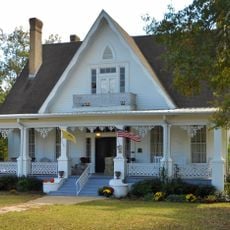
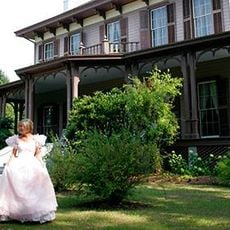
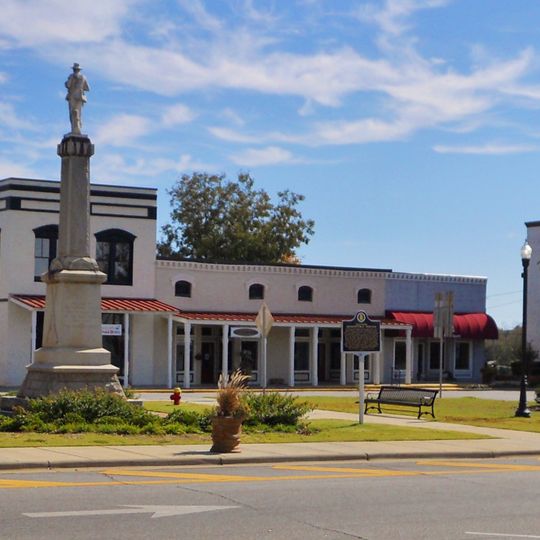
Clayton is the county seat of Barbour County in southeastern Alabama, positioned centrally within the county to serve as an administrative hub since the early 1800s. The town contains historic structures including Grace Episcopal Church built in 1876 and the Miller-Martin Townhouse from 1859, both listed on the national historic register.
Clayton was established in 1841 and named after Judge Augustine Smith Clayton, a Georgia congressman, becoming the administrative seat of Barbour County. During the Civil War, the town remained largely untouched until 1865 when Union soldiers passed through and a brief skirmish occurred, resulting in the deaths of one soldier and one local resident.
The town is named after Judge Augustine Smith Clayton, a congressman from Georgia who shaped the region's early development. This connection to a prominent political figure remains part of local identity and appears in how residents speak about their community's origins and character.
Clayton is best accessed via County Road 30, the main route serving both visitors and residents, and its central location makes it easy to walk around and explore various historic sites on foot. The quiet streets allow for leisurely strolls and give visitors time to view buildings and monuments without rush.
Clayton's cemetery holds an unusual tombstone known as the Whiskey Bottle Tombstone, carved in the shape of a whiskey bottle as a commentary on the deceased's drinking habits. This remarkable grave marker was once featured in Ripley's Believe It or Not and remains a curious piece of local history that visitors often discover.
The community of curious travelers
AroundUs brings together thousands of curated places, local tips, and hidden gems, enriched daily by 60,000 contributors worldwide.