MacKerricher State Park, Coastal state park in Mendocino County, United States.
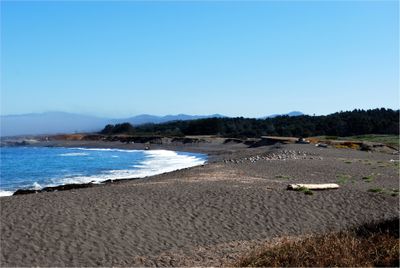
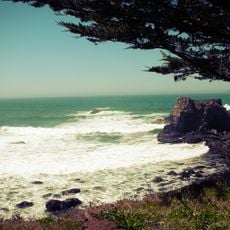
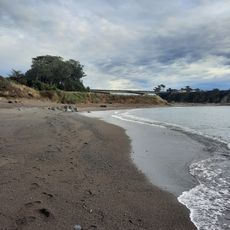
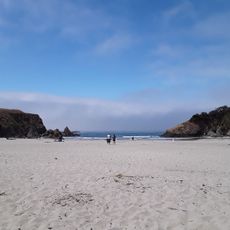
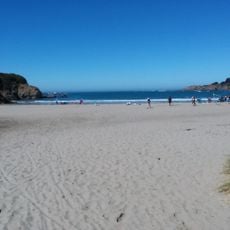
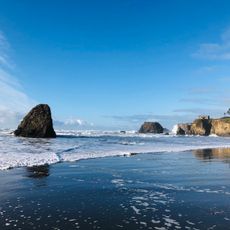
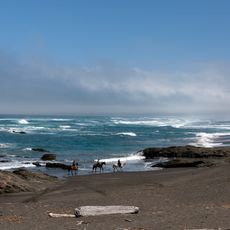
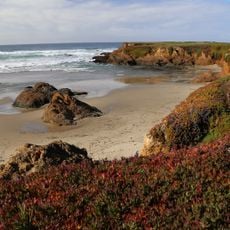
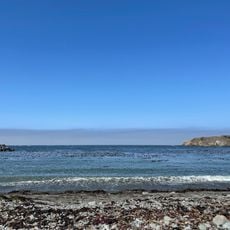
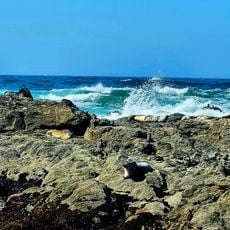
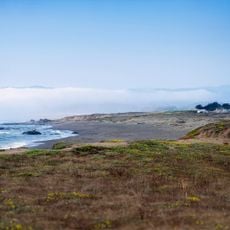
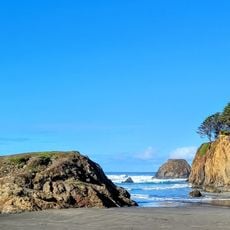
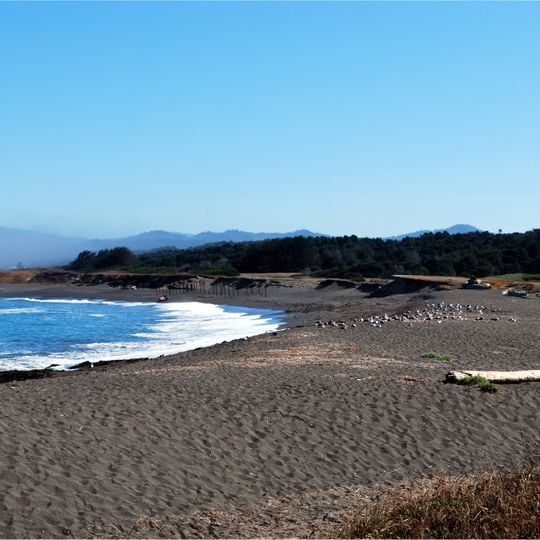
MacKerricher State Park stretches along the Mendocino County coastline with a mix of beaches, rocky headlands, and forested sections inland. The layout includes dunes near the shore, wetland areas behind them, and tide pools exposed at low water among the rocks.
Pomo and Yuki peoples used the area's seaweed, shellfish and acorns before the Mendocino Indian Reservation was established. Canadian newlyweds Duncan and Jessie MacKerricher arrived in 1864 and ran a ranch producing butter, potatoes and draft horses. A California Western Railroad logging branch reached the Ten Mile River in 1916; after the rails were replaced by a logging-truck haul road in 1949, the MacKerricher descendants sold the land to California, which made it a state park.
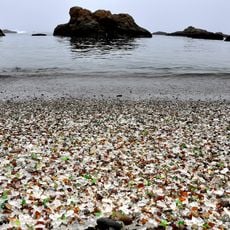
The park's name honours Duncan and Jessie MacKerricher, Canadian newlyweds who settled here in 1864 and ran a ranch producing butter, potatoes and draft horses with hired Pomo and Yuki workers. Their descendants sold the land to California in 1949. At Glass Beach, visitors still pick over sand-polished glass pebbles left from a 1950s and 1960s dump.
The park has two group camping areas with room for 9 to 60 people depending on the site, each with vehicle limits. Most trails are walkable, though some pass over rough ground and rocky areas that require steady footing.
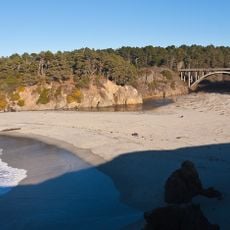
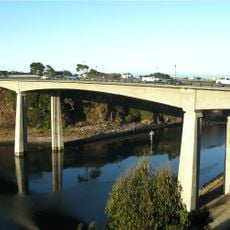
The 4.75-mile MacKerricher Coastal Trail follows the grade of a California Western Railroad logging branch built in 1916; its southern end crosses Pudding Creek on a timber trestle. Trains hauled Ten Mile River logs to the Fort Bragg sawmill until 1949, when the rails were replaced by a logging-truck haul road. Flooding washed out 7,000 feet of its asphalt in 1983.
The community of curious travelers
AroundUs brings together thousands of curated places, local tips, and hidden gems, enriched daily by 92,780 contributors worldwide.