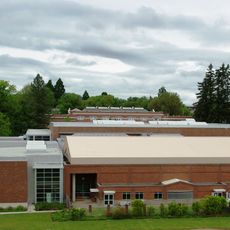
Bell Field, University stadium at Oregon State University, Corvallis, United States
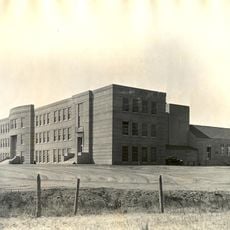
Bell Field was an outdoor athletic stadium on the Oregon State College campus in Corvallis, Oregon, built with low-profile seating mostly covered in a horseshoe opening to the north and a conventional north-south orientation at 230 feet (70 m) elevation. Its capacity grew from standing room to about 21,000 after the 1947 east-sideline bleachers. It stood directly west of the baseball field, parallel to its first base line.
Bell Field opened at Oregon Agricultural College in 1909, not 1910, and was named in 1921 for J.R.N. "Doc" Bell, a college regent and the football team's self-styled mascot. Seating grew from 3,000 wooden bleacher seats in 1913 to about 21,000 after the 1947 expansion. The Beavers played their last varsity game there on November 15, 1952, a 27–6 homecoming loss to Idaho, before Parker Stadium opened in November 1953.
Bell Field was named in 1921 for J.R.N. "Doc" Bell, a Presbyterian minister and college regent. In 1894 he promised to throw his fedora into the Willamette River if the Aggies beat Oregon; after an 18–0 win the hat sailed off, and fans repeated the ritual after each victory over the lemon-yellow team.
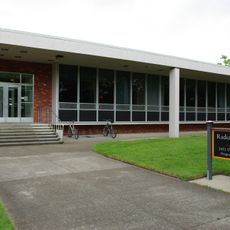
Bell Field was demolished in March 1974 after hosting the track and field program on a cinder track; the Dixon Recreation Center, opened in 1976, now occupies the site. It stood directly west of the baseball field, today's Goss Stadium at Coleman Field, parallel to its first base line. The replacement all-weather track opened in 1974 on the south end of campus.
The playing surface shifted from dirt and sawdust to natural grass in 1937, aligning with improvements being made at other Pacific Coast Conference stadiums. This upgrade showed how college sports venues were evolving to meet changing expectations.
The community of curious travelers
AroundUs brings together thousands of curated places, local tips, and hidden gems, enriched daily by 92,887 contributors worldwide.