Glacier Peak Wilderness, Protected wilderness area in Chelan County, United States.
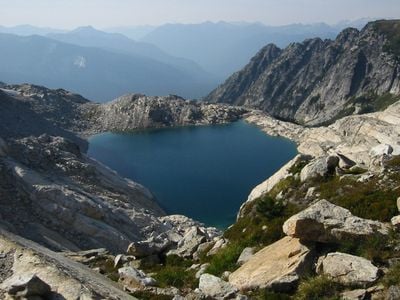
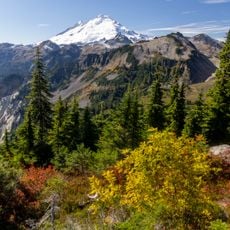
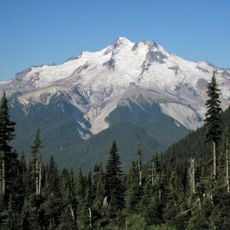
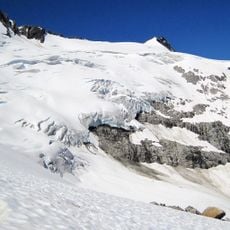
Glacier Peak Wilderness is a protected area spanning over 566,000 acres with dense forests, steep valleys, and numerous glacial formations throughout. The 10,541-foot volcano at its center rises dramatically above the surrounding peaks and valleys.
Glacier Peak Wilderness was created by the U.S. Forest Service in 1960 through the efforts of the North Cascades Conservation Council, four years before the 1964 Wilderness Act. On 20 October 2003, a record flood dropped 250 mm of rain, melting snow and ice; downstream roads, campsites, bridges and trails were damaged, eight trail bridges and a creek ford were destroyed along 48 km of the Pacific Crest Trail, and Kennedy Hot Springs was buried under mudflows.
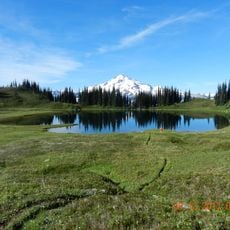
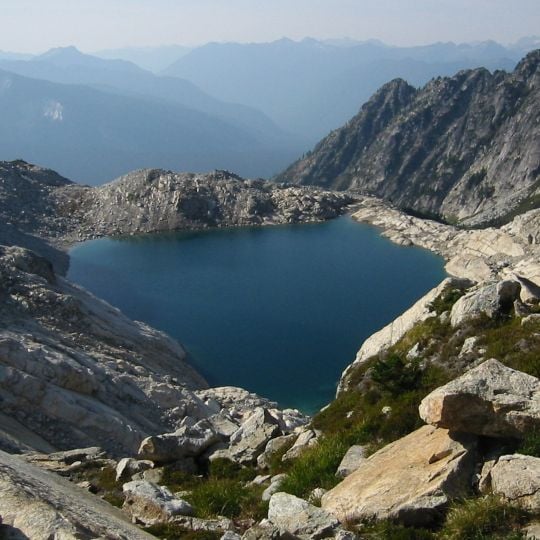
The wilderness lies within the traditional territory of the Sauk-Suiattle and other Coast Salish peoples, whose place names and travel routes long predate the 1960 designation. The Suiattle River valley, one of the main approaches to Glacier Peak, takes its name from this heritage. Today the area is valued for fishing in its high lakes, where cutthroat trout are the primary catch during ice-free months.
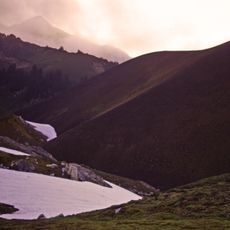
Access is only by foot since no roads lead directly into the wilderness, and the terrain requires careful navigation. Most trails become clear of snow by mid-August, making this the best window for serious hiking trips.
This wilderness recorded the last confirmed grizzly bear sighting in the United States portion of the North Cascade ecosystem. That rare encounter marks an important moment in how the region's wildlife populations have changed over time.
The community of curious travelers
AroundUs brings together thousands of curated places, local tips, and hidden gems, enriched daily by 93,867 contributors worldwide.