Mount Baker–Snoqualmie National Forest, National Forest in western Washington, United States.
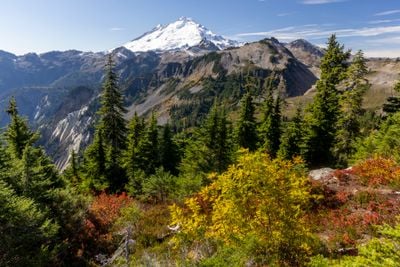
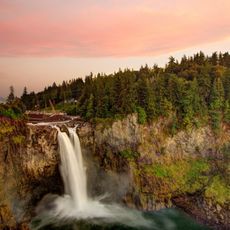
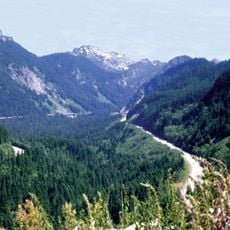
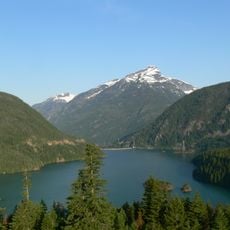
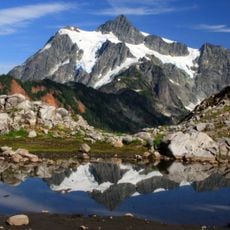
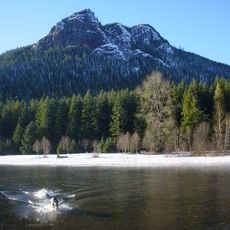
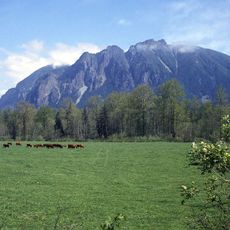
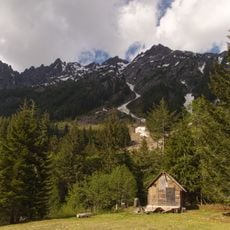
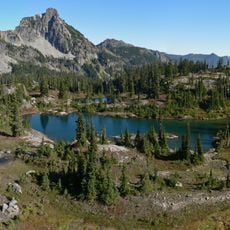
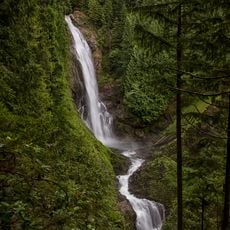
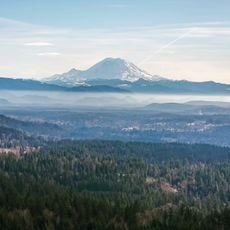
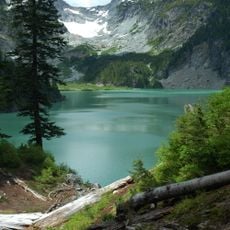
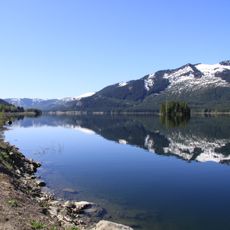
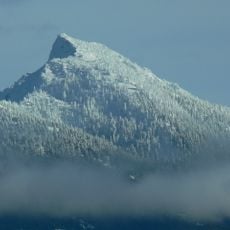
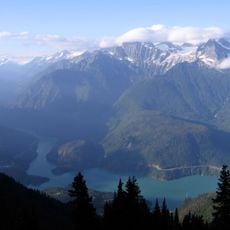
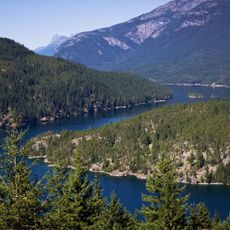
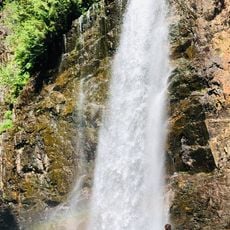
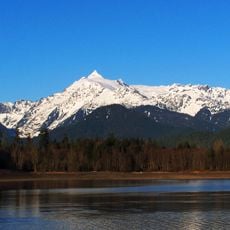
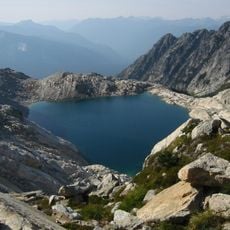
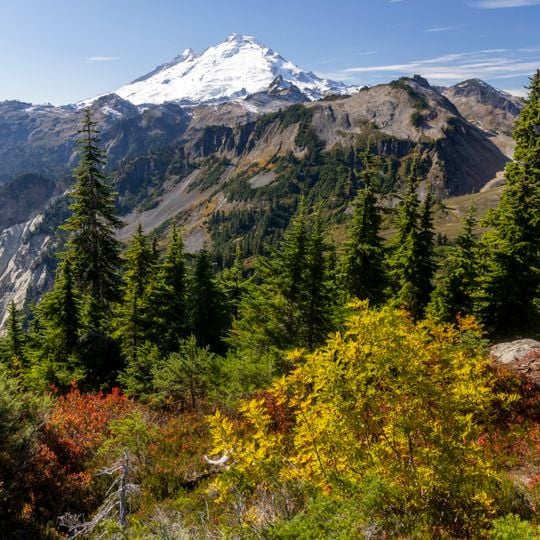
Mount Baker-Snoqualmie National Forest is a vast protected forest spanning the Cascade Range in western Washington. It features dense coniferous forests, mountain meadows, and dramatic peaks with numerous streams and waterfalls running through the landscape.
The Washington Forest Reserve was created on February 22, 1897, with 3,594,240 acres; it became a national forest on March 4, 1907, and was renamed Mount Baker National Forest on January 21, 1924. Snoqualmie National Forest was carved out on July 1, 1908, gained part of Rainier National Forest on October 19, 1933, and the two forests were administratively combined in 1974.
The Skagit Wild and Scenic River System, established by Congress in 1978, covers 125 miles of the Skagit, Cascade, Sauk and Suiattle rivers inside the forest. Its waters support one of the largest winter populations of bald eagles in the United States, and the rivers remain important wildlife habitat and recreation ground.
The forest offers numerous trails for hiking, multiple campgrounds for overnight stays, and ski areas for winter activities. Visitors need permits for certain areas, and it is wise to check local conditions and weather before planning your visit.
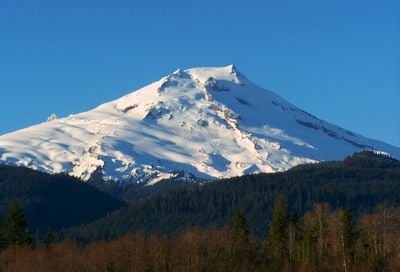
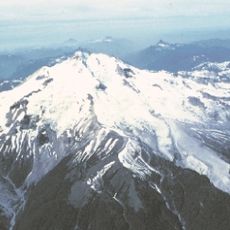
The forest holds more glaciers and snowfields than any other national forest outside Alaska. In 1971 it counted 295 glaciers; by 1998 fewer than 287 remained, and between 1984 and 2006 the glaciers lost 20 to 40 percent of their volume. White Chuck Glacier shrank from 3.1 to 0.9 square kilometres between 1958 and 2002.
The community of curious travelers
AroundUs brings together thousands of curated places, local tips, and hidden gems, enriched daily by 95,370 contributors worldwide.