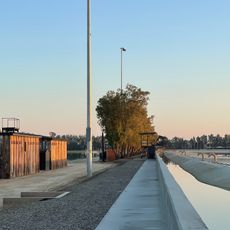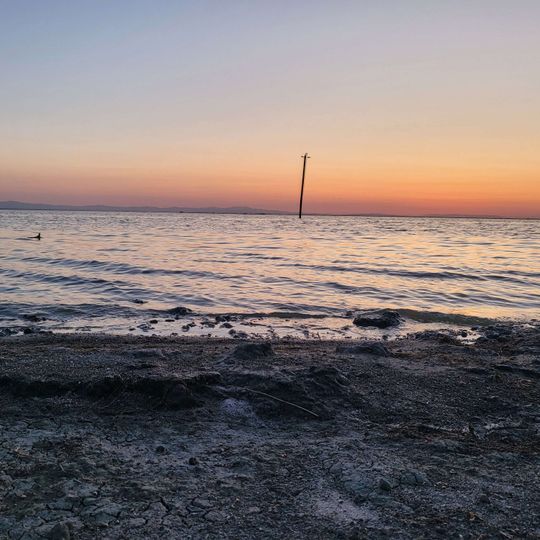
Tulare Lake, Salt pan in San Joaquin Valley, California
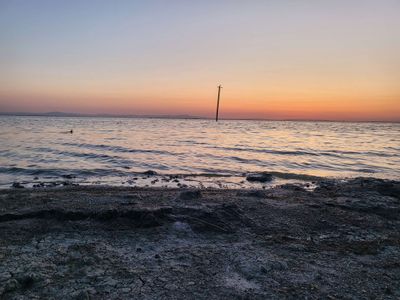
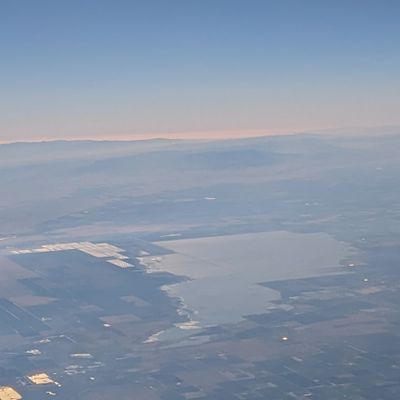
Tulare Lake sits at roughly 56 meters elevation in a flat basin, where salt deposits form a white crust across wide stretches. The flat area extends over farmland that becomes covered with water again during heavy rains.
The body of water covered an area larger than Lake Tahoe in the 19th century and provided habitat for numerous fish species. Starting in the 1870s, farmers diverted water from tributaries into canals until it vanished in the 1920s.
The Yokuts fished and gathered shellfish from the waters, building villages along the shores. Their name for the water meant "flooded plain" and described how the surface expanded and contracted with the seasons.
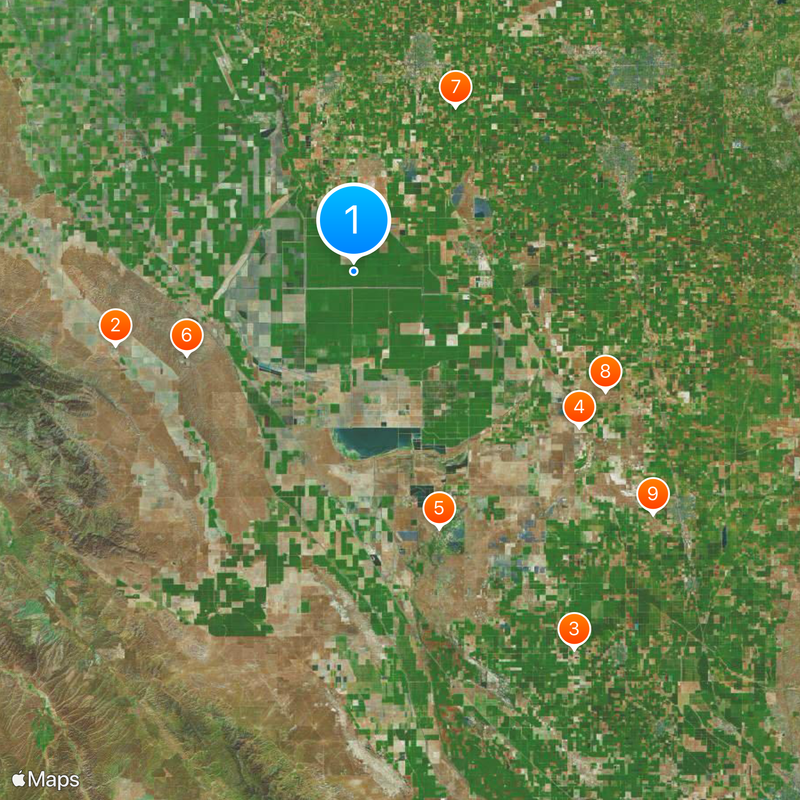
The area lies in the southern San Joaquin Valley and can be reached by rural roads that pass through farmland. Visitors planning to see the salt pan should check the season, as the ground becomes muddy and impassable after rainfall.
The lakebed's islands became landmarks in their own right: Atwell's Island held the Wowol village of Chawlowin, occupied after 1852 by Yokuts refugees, and Skull Island, a ridge about 20 feet above the lakebed, was raided by Central Valley settlers through the 19th century.
The community of curious travelers
AroundUs brings together thousands of curated places, local tips, and hidden gems, enriched daily by 92,755 contributors worldwide.