California, U.S. state on the Pacific coast, United States
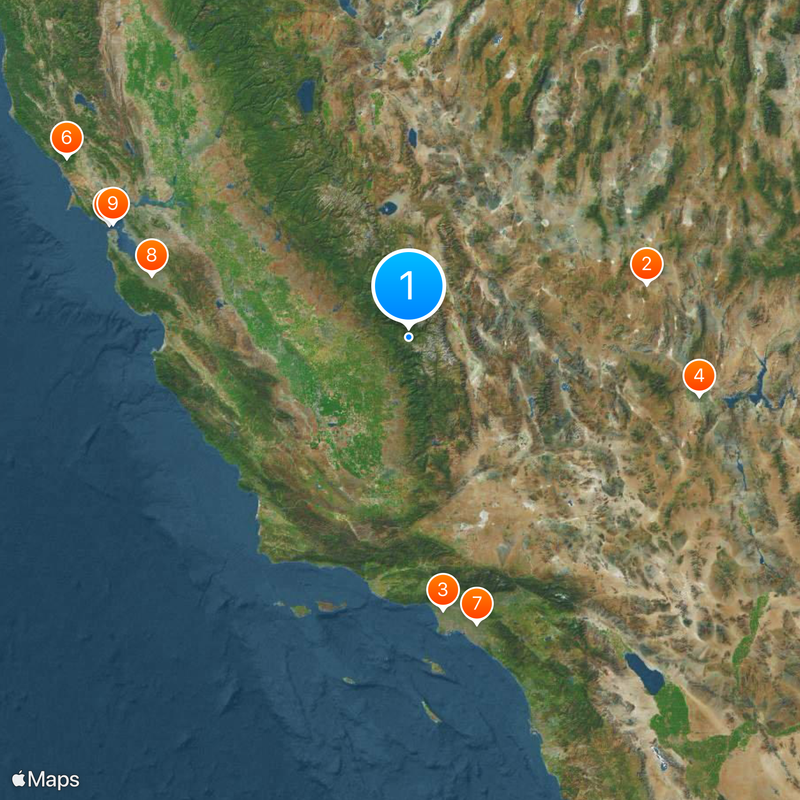
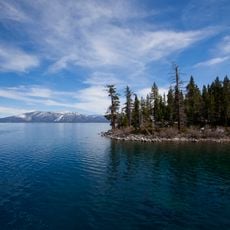
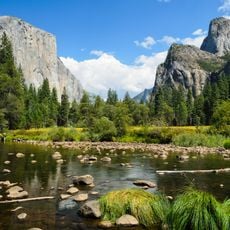
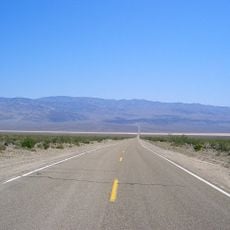
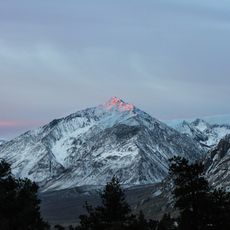
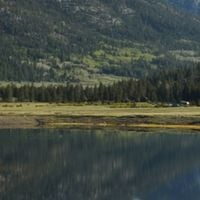
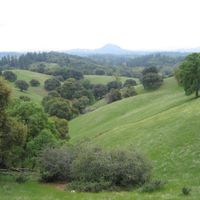
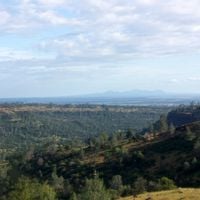
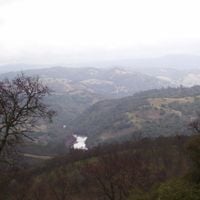
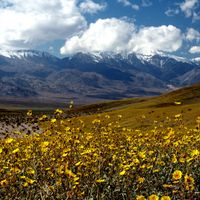
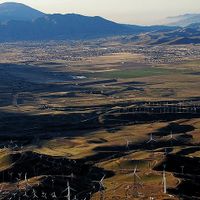
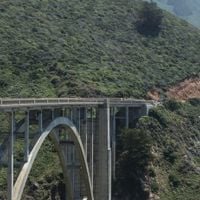
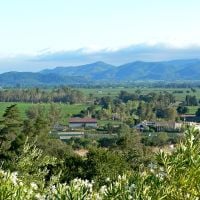
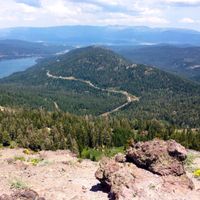
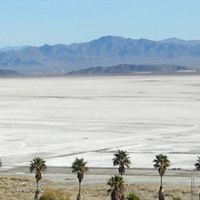
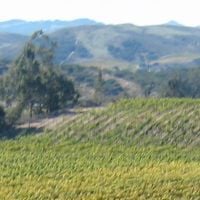
The state stretches from the Pacific Ocean to the Sierra Nevada range, covering 423,970 square kilometers of beaches, forests, deserts and valleys. Topography ranges from Death Valley, North America's lowest point, to Mount Whitney, the highest peak in the contiguous United States.
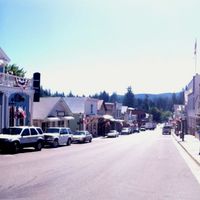
Spanish missionaries established a chain of 21 missions along the coast starting in 1769. Following the Mexican-American War, the territory was ceded to the United States in 1848, the same year gold was discovered, attracting more than 300,000 people and leading to statehood in 1850.
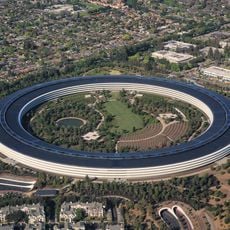
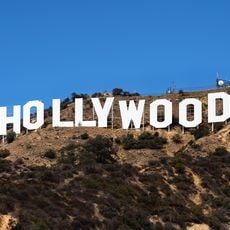
The state houses Hollywood, Silicon Valley and major agricultural regions that together shape its economy and global influence. Diverse immigrant communities from Asia, Latin America and Europe have shaped Californian society, cuisine and arts across generations.
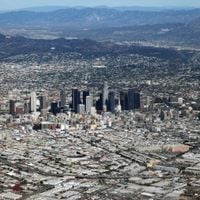
Three international airports serve Los Angeles, San Francisco and San Diego. Amtrak trains connect major cities, while an extensive highway system enables car travel. Visitors need a vehicle for most regions as public transportation remains limited outside urban centers.
The San Andreas Fault runs through the state for 1,200 kilometers, marking the boundary between the Pacific and North American tectonic plates. This geological feature causes regular seismic activity and has shaped the landscape through tectonic movement over millions of years.
The community of curious travelers
AroundUs brings together thousands of curated places, local tips, and hidden gems, enriched daily by 90,828 contributors worldwide.