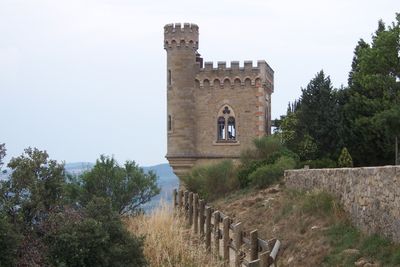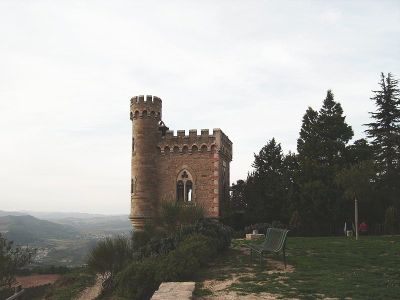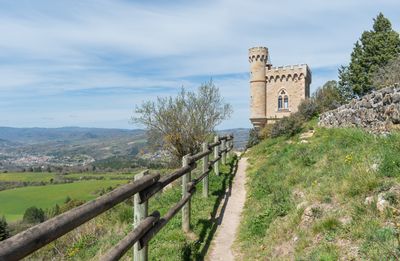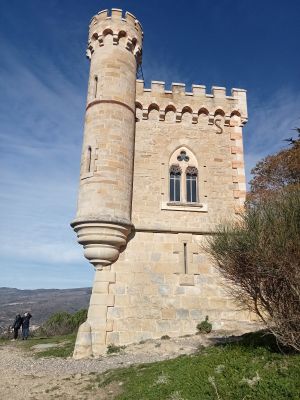
Rennes-le-Château, Medieval commune in Aude, France.
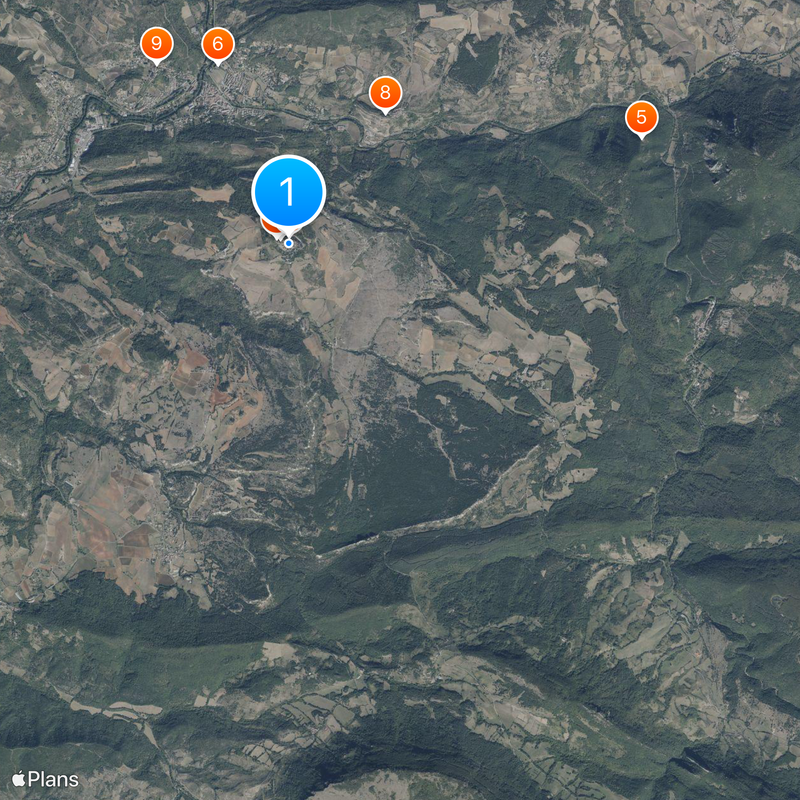
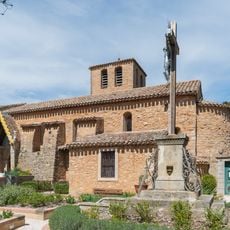
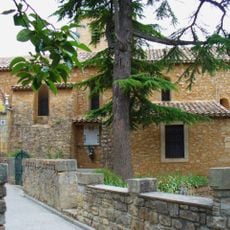
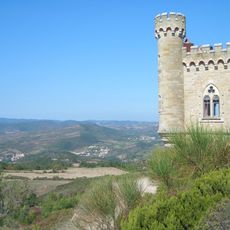
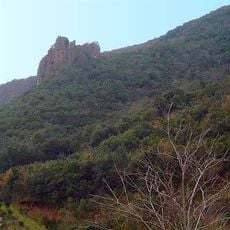
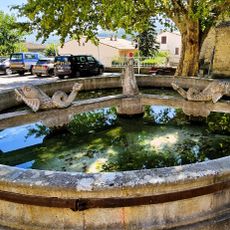
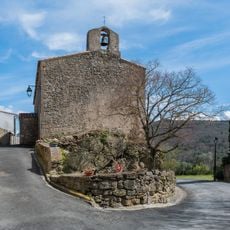
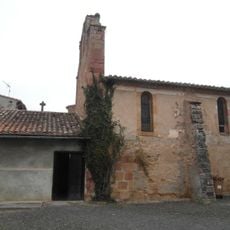
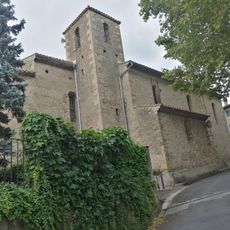
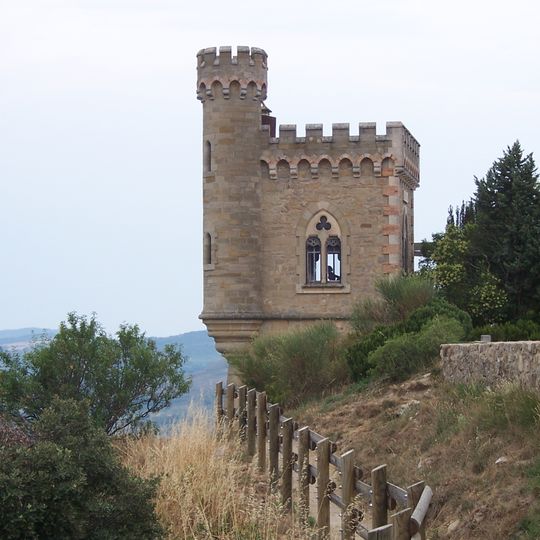
Rennes-le-Château is a commune perched on a rocky hill in the Aude department of southern France, at an elevation of around 420 meters (1380 feet). The village consists of a few narrow streets, a 19th-century church, a cemetery, and a handful of stone houses clustered around a central square.
In Roman times a settlement stood here, later fortified by the Visigoths in the early Middle Ages. The site belonged to the Counts of Toulouse during the medieval period and gradually declined after conflicts involving the Cathars.
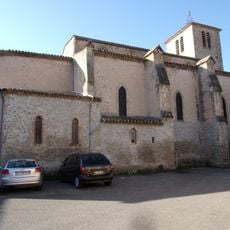
The parish church displays an interior arrangement uncommon for this region, with statues and Latin inscriptions that draw visitors from many countries. A small museum in the village documents the priest's restoration work and the evolution of this site into a destination for researchers and the curious.
Several walking trails lead from the village into surrounding valleys and provide access to other historical sites in the area. Most points of interest can be reached on foot within a few minutes from the village square.
In the limestone layers around the village, researchers found fossilized dinosaur eggs dating back roughly 70 million years. These traces from the Cretaceous period are among the oldest finds in the region and confirm the presence of reptiles long before human settlement.
The community of curious travelers
AroundUs brings together thousands of curated places, local tips, and hidden gems, enriched daily by 60,000 contributors worldwide.