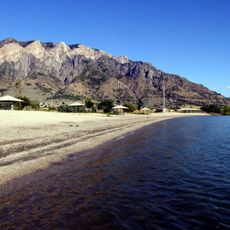
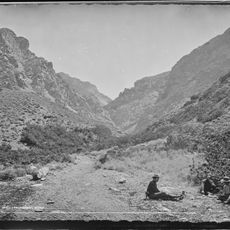
Bear River Migratory Bird Refuge, National Wildlife Refuge near Great Salt Lake, US.
Bear River Migratory Bird Refuge is a national wildlife refuge in northern Utah, located where the Bear River meets the Great Salt Lake. It covers a mix of wetlands, mudflats, shallow pools, and open water that together form a range of habitats used by birds at different times of year.
The refuge was established in 1928, when declining numbers of migratory birds in the region prompted federal protection. Decades later, severe flooding from the Great Salt Lake in 1983 submerged much of the land and pushed managers toward new ways of working with the water rather than against it.
The refuge's name comes from the Bear River, whose delta the protected wetlands occupy. The surrounding land is worked by several private hunting clubs strung along the bird migration route, a use that predates and continues alongside federal management. The James V. Hansen Wildlife Education Center runs environmental education programs, symposiums and public events for visitors.
A marked auto tour route lets visitors drive slowly through the wetlands and observe birds from their vehicles, which is often the most comfortable way to get close without disturbing wildlife. The visitor center on site helps orient first-time visitors with exhibits on local species and seasonal patterns.
The refuge's 41,000 acres of freshwater wetlands are part of a 74,000-acre refuge established in 1928. Rising Great Salt Lake floodwaters in 1983 severely impacted the refuge, a event central to Terry Tempest Williams's book Refuge: An Unnatural History of Family and Place.
The community of curious travelers
AroundUs brings together thousands of curated places, local tips, and hidden gems, enriched daily by 93,239 contributors worldwide.