Cedar Mesa, Landform in Utah, United States
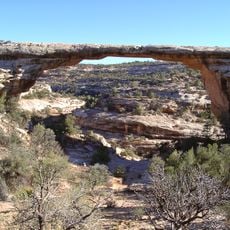
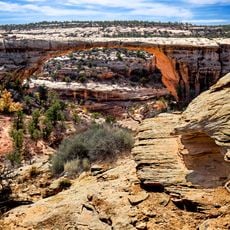
Cedar Mesa is a high plateau in southeastern Utah, United States, cut by deep canyons and covered with pinyon and juniper trees. Its edges drop sharply into the surrounding desert, revealing layers of red and tan rock that stretch for miles.
Cedar Mesa was home to ancestral Puebloan people for thousands of years before they left the area in the late 1200s. Later, Ute and Navajo groups moved through the region, and in the 1800s American explorers and settlers began to arrive.
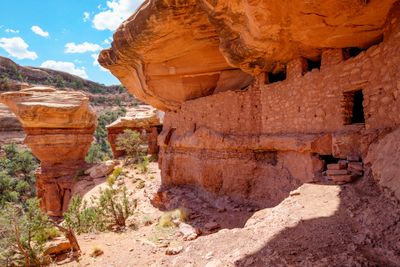
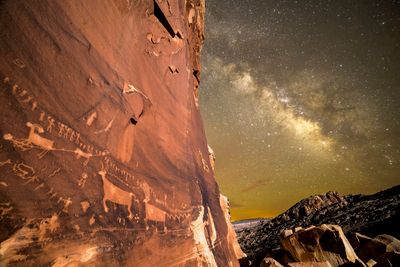
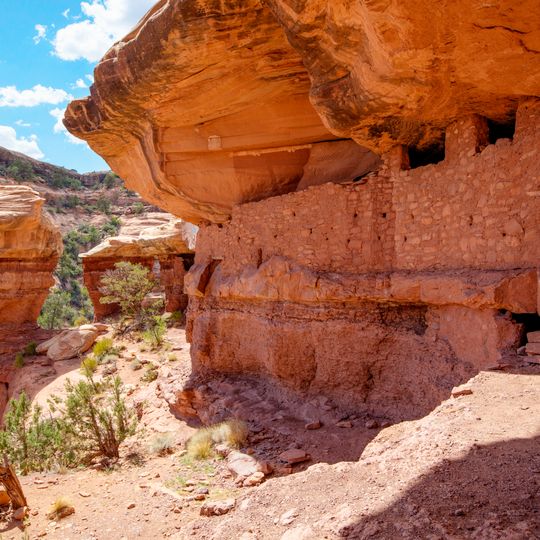
The name Cedar Mesa comes from the juniper trees early settlers called cedars, though they are not true cedars. Today, the plateau is known for its many archaeological sites, and visitors can see ancient stone ruins and rock art along the canyon walls.
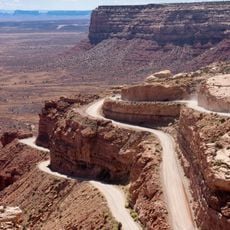
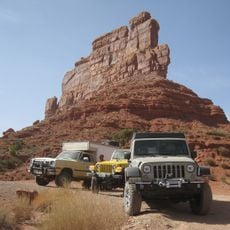
Roads here are mostly unpaved and can become difficult after rain, so check conditions before setting out. Carry water and supplies, as services are limited and the terrain is remote.
Cedar Mesa holds one of the largest concentrations of ancestral Puebloan sites in the United States, yet many are unmarked and easy to miss. Some canyons contain ruins that are more than 700 years old, with walls still standing.
The community of curious travelers
AroundUs brings together thousands of curated places, local tips, and hidden gems, enriched daily by 94,479 contributors worldwide.