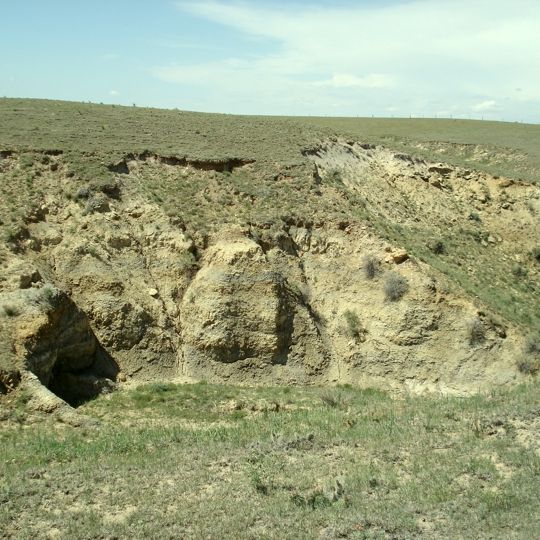
Laramie Formation, Geological formation in Colorado, United States
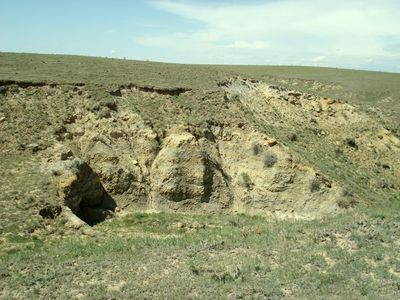
The Laramie Formation is a geological sequence in northeastern Colorado composed of alternating layers of sandstone, shale, and coal beds. These deposits formed during the Late Cretaceous period and provide important evidence of ancient environments that once covered this region.
Geologist Clarence King identified and named the Laramie Formation in 1876, marking a key moment in the scientific exploration of the American West. His work established the foundation for understanding the geological history of this region.
Scientists have discovered multiple Triceratops fossils and ten different mammal species within the formation, enriching our understanding of Late Cretaceous life.
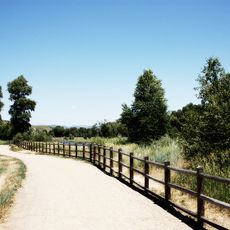
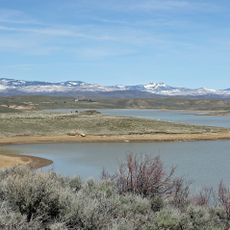
The formation is visible at several locations across the landscape and can be explored through publicly accessible trails. Visitors should be aware that conditions vary depending on season and weather patterns.
The formation holds some of North America's oldest grass fossils, revealing how early plants evolved during the Cretaceous period. These rare plant discoveries make the site significant for paleontologists around the world.
The community of curious travelers
AroundUs brings together thousands of curated places, local tips, and hidden gems, enriched daily by 90,851 contributors worldwide.