Warm Springs Avenue Historic District, Historic residential district in Boise, United States.
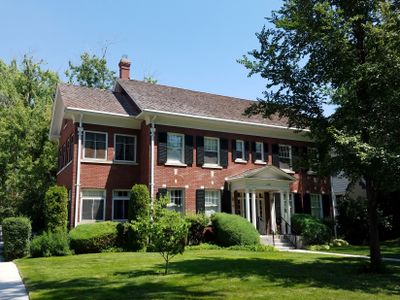
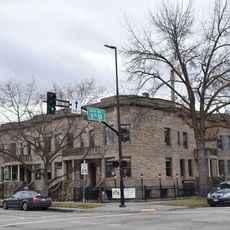
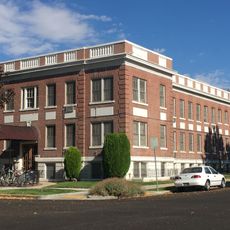
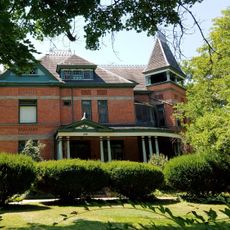
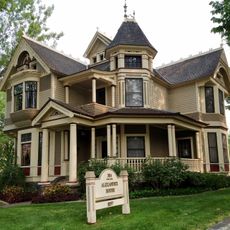
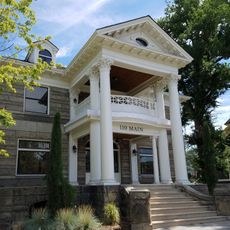
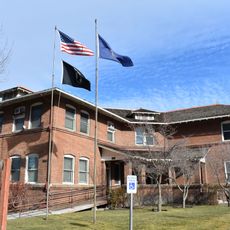
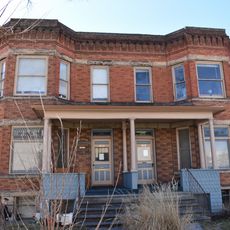
Warm Springs Avenue Historic District is a residential district in Boise containing approximately 96 houses built between 1870 and 1940. Properties on the north side feature uniform dimensions with rear alleys, while south-side parcels exceed one acre in size.
Christopher W. Moore built the first major residence on Warm Springs Avenue in 1892 and introduced geothermal heating to residential architecture. This was the first house in the United States to use this innovative heating method.
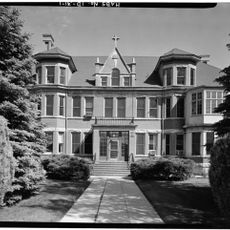
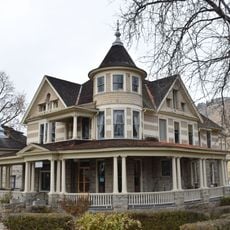
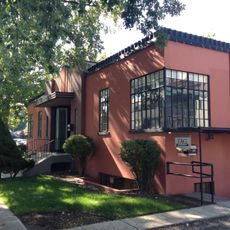
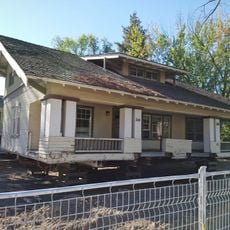
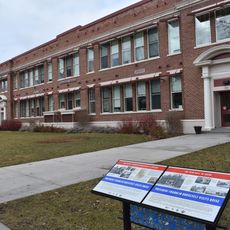
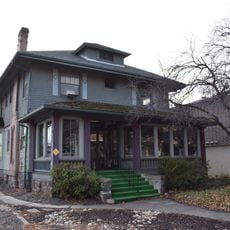
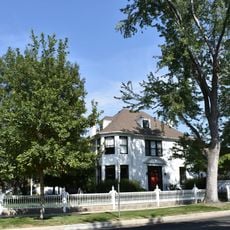
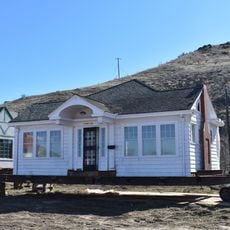
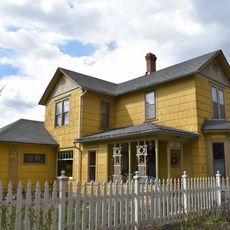
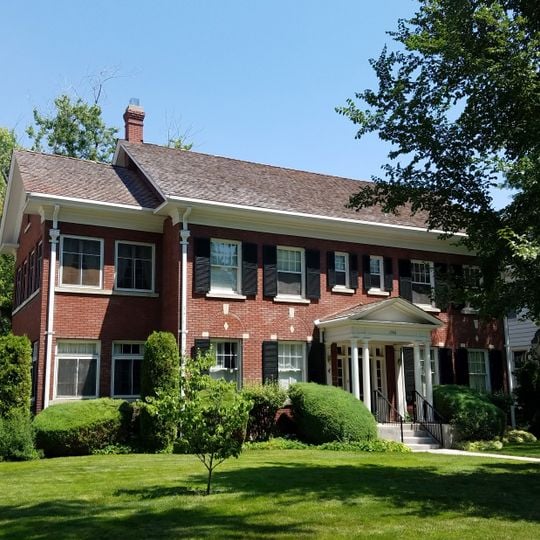
The district displays residential houses in Colonial Revival, Queen Anne, Tudor Revival, Mission Revival, and Bungalow styles designed by regional architects including Tourtellotte, Hummel, and Fennell. This stylistic variety reflects the preferences of affluent residents who shaped their homes as expressions of social status.
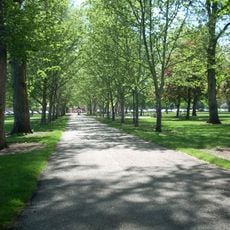
The district runs along a wide, tree-lined avenue and is easily explored on foot. Generous setbacks between houses and the street create an open character that makes it straightforward to view the architectural details.
The district draws its heating supply from natural geothermal water from Kelly Hot Springs, representing an early application of sustainable energy in residential architecture. This system was decades ahead of its time, demonstrating alternative heating solutions in the 1800s.
The community of curious travelers
AroundUs brings together thousands of curated places, local tips, and hidden gems, enriched daily by 91,837 contributors worldwide.