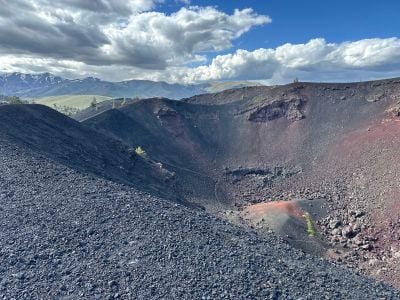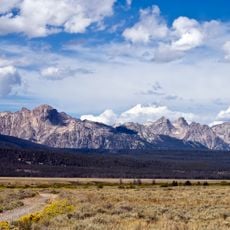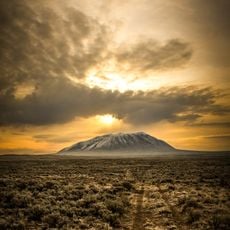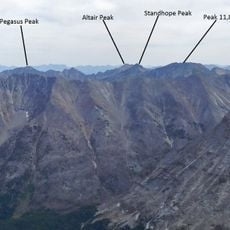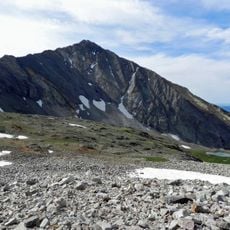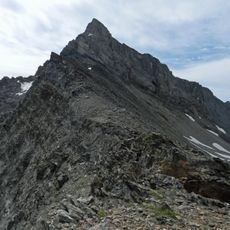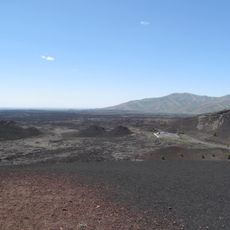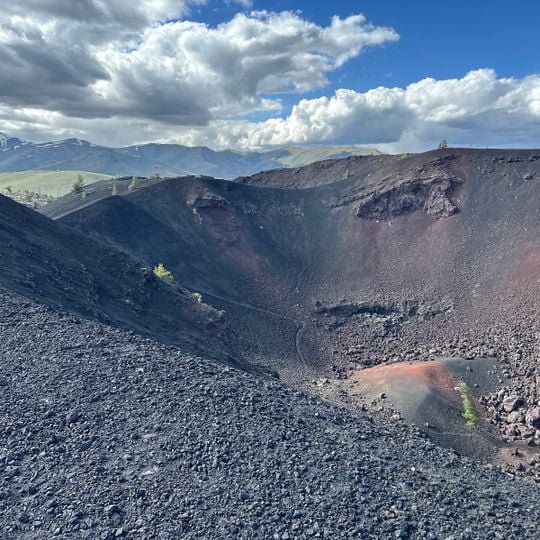
Craters of the Moon National Monument and Preserve, National Natural Landmark in Idaho, US.
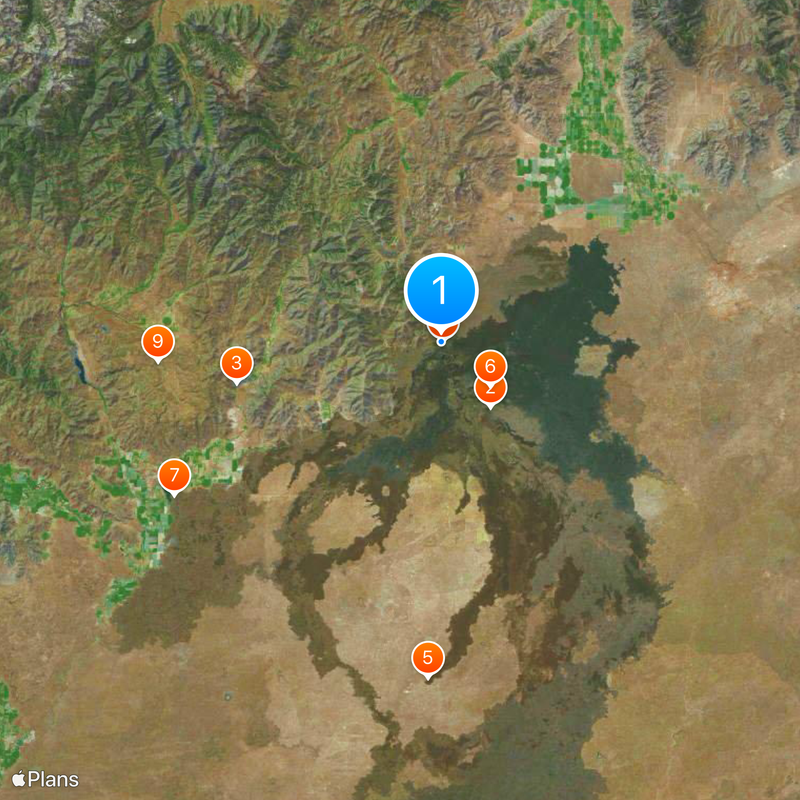
Craters of the Moon National Monument and Preserve is a protected volcanic area in Idaho, located on the Snake River Plain. The preserve covers roughly 2,900 square kilometers (1,117 square miles) and contains several dozen cones as well as three large lava fields formed by past eruptions.
The area was first explored in the early 20th century and designated a National Monument on May 2, 1924. In November 2000 a presidential proclamation by Bill Clinton enlarged it roughly thirteenfold, and in August 2002 the 410,000-acre Park Service portion became a National Preserve. Astronauts later trained there for the Apollo program.
Northern Shoshone groups once followed specific paths through the cooled lava during seasonal movements across the region. Stone circles remain visible near Indian Tunnel, evidence of these crossings through the harsh terrain.
Only one paved road crosses the northern end of the monument, and combined US 20, 26 and 93 runs through its northwestern part between Arco and Carey. The terrain beyond the road stays remote and undeveloped, so travel on foot over the loose cinder and basalt demands care. The visitor center sits at 5,910 feet (1,800 m) above sea level.
The area received recognition as an International Dark Sky Park due to its minimal light pollution. These conditions make it one of the best places in the United States to observe the night sky.
The community of curious travelers
AroundUs brings together thousands of curated places, local tips, and hidden gems, enriched daily by 92,756 contributors worldwide.