Lake Louise, Glacial lake in Banff National Park, Canada
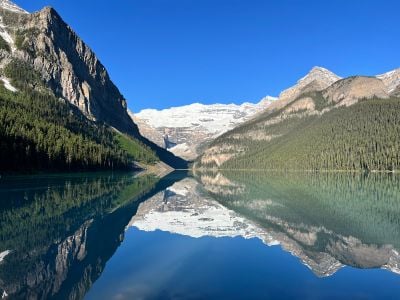
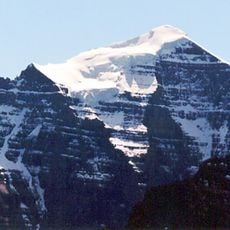
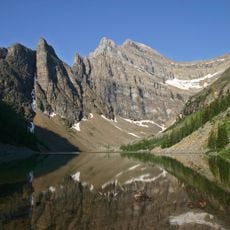
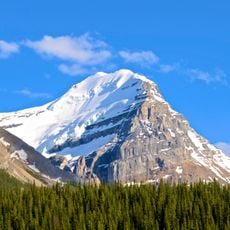
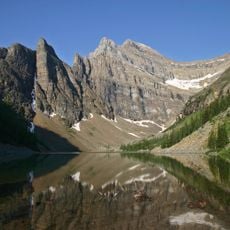
Lake Louise is a glacial lake in Banff National Park, Alberta, stretching roughly 2 km in length between steep mountain slopes. The water reaches a depth of around 70 m and is framed by several peaks, including Mount Victoria at its far end.
Thomas Wilson reached the lake in 1882 with a Stoney Nakoda guide named Edwin Hunter and initially called it Emerald Lake. A few years later, the lake was renamed after Princess Louise Caroline Alberta, daughter of Queen Victoria.
The Stoney Nakoda name Horâ Juthin Îmne, rendered in early records as Ho-run-num-nay, means Lake of the Little Fishes. The lake is named after Princess Louise Caroline Alberta, fourth daughter of Queen Victoria and wife of the Governor General the Marquess of Lorne. The Château Lake Louise, begun in 1890 as a modest chalet, became a base for climbing expeditions; many trails start at the hotel.
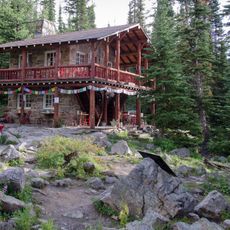
The lakeshore path starts near the Château Lake Louise, where most trails around the lake begin. A boat launch and rental facility sit on the north-eastern shore for canoeing and kayaking in summer; in winter the frozen lake is used for ice skating and ice fishing. Trails from the hotel lead to Lake Agnes, Mirror Lake and the Beehives.
During the Second World War, experiments for Project Habbakuk, a British plan for an aircraft carrier built from pykrete and ice, were carried out at Lake Louise. The scheme was never realised, and few visitors connect the lake with this wartime episode.
The community of curious travelers
AroundUs brings together thousands of curated places, local tips, and hidden gems, enriched daily by 92,703 contributors worldwide.