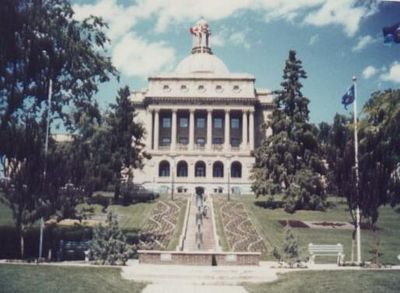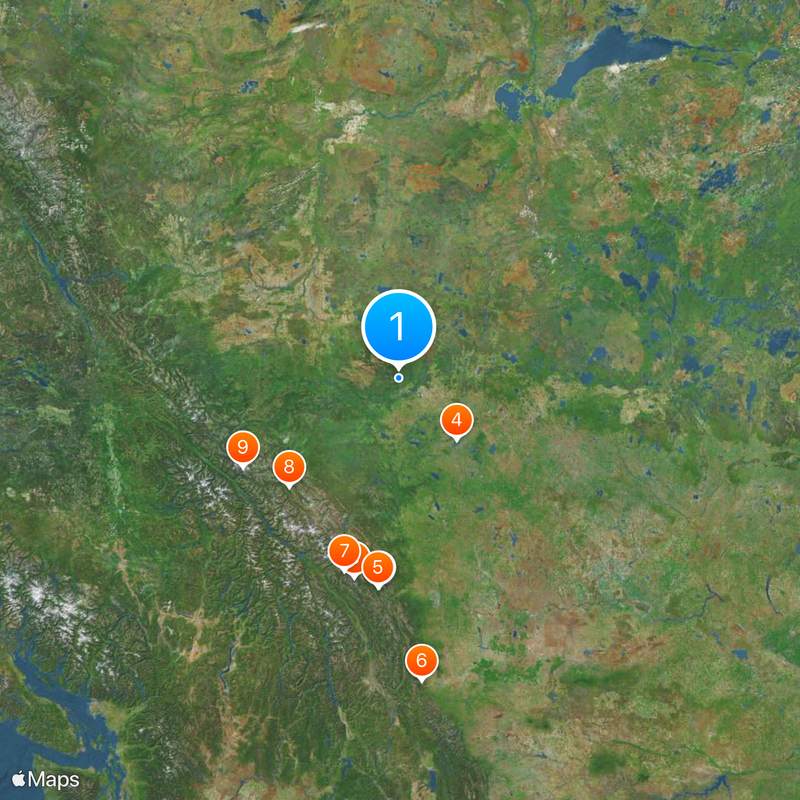
Alberta, Western province in Canada.
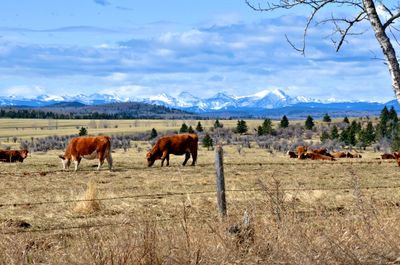
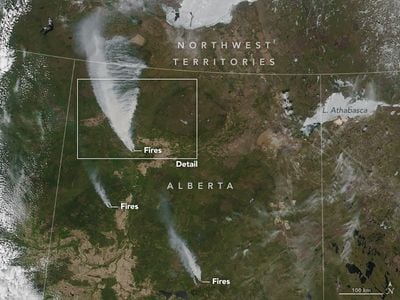
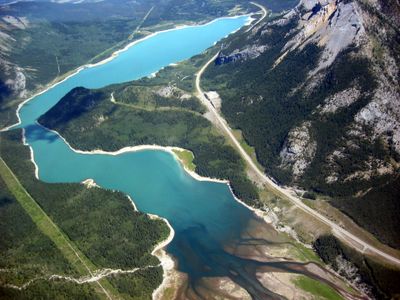
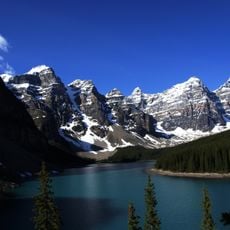
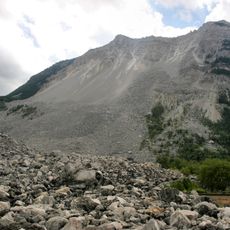
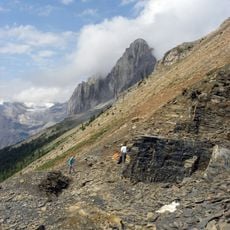
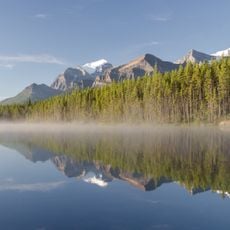
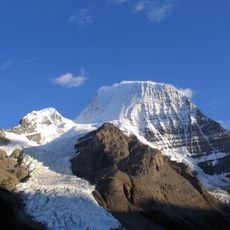
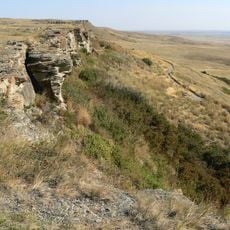
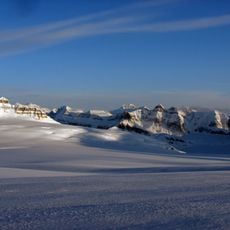
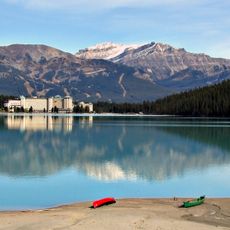
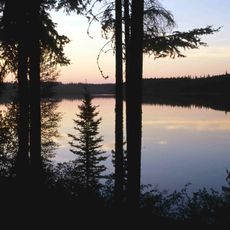
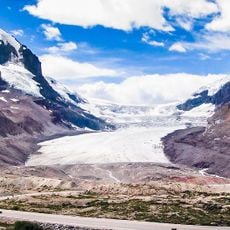
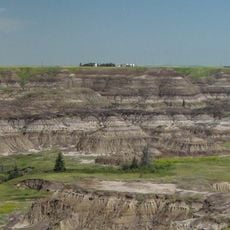
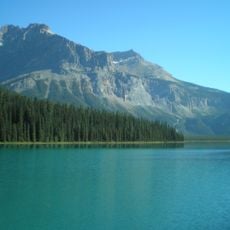
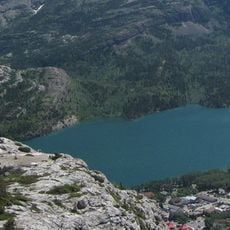
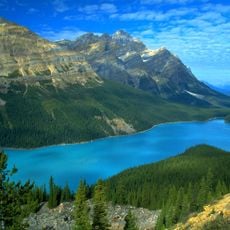
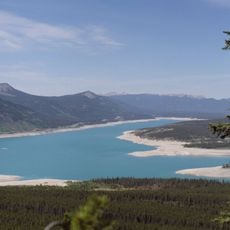
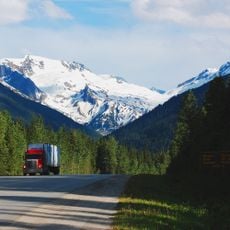
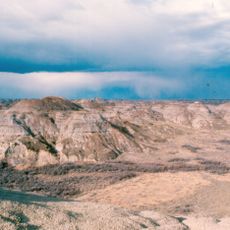
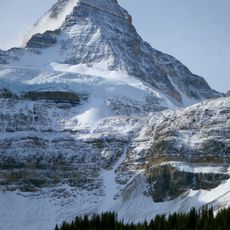
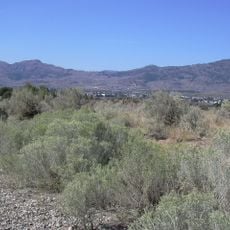
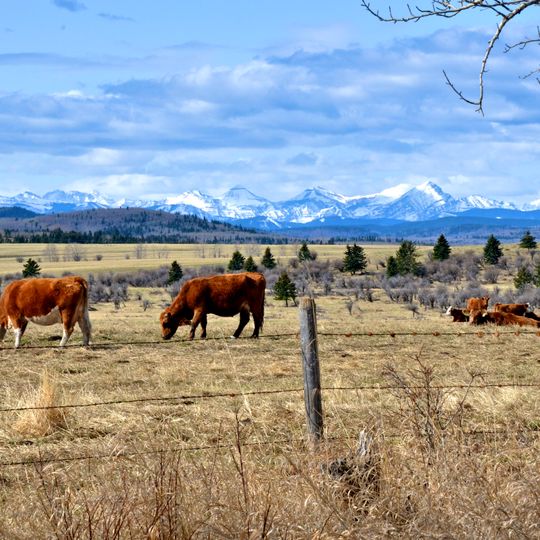
This western province of Canada stretches over 662,000 square kilometers (255,600 square miles) and includes prairie landscapes, boreal forests, mountains, and many lakes. The terrain shifts from flat grasslands in the east to the rugged peaks of the Rocky Mountains in the west, with dense forests and river valleys in between.
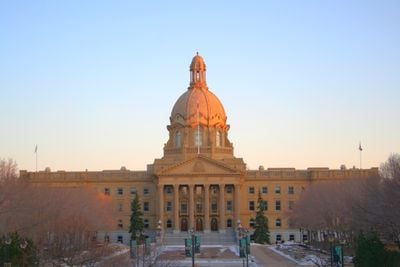
The name comes from Princess Louise Caroline Alberta, daughter of Queen Victoria, and provincial status was reached in September 1905. The discovery of oil at Leduc in 1947 changed the economic path and shaped the modern identity of the region.
Powwows and rodeos take place throughout the year, showing the mix of indigenous traditions and ranching culture that shapes life here. Local communities gather for festivals where dancing, horsemanship and handcrafts take center stage, while visitors experience the connection between people and the land.
Six national parks lie within the boundaries and are accessible through a dense network of highways and mountain roads, including Banff and Jasper in the west. Most facilities are open from May to October, while in winter many mountain passes require caution or remain closed.
Around 70 percent of Canadian petroleum comes from here, with major deposits first found at Leduc in 1947. The pumps and drilling rigs continue to mark the landscape in many rural areas and are part of everyday life in smaller towns.
The community of curious travelers
AroundUs brings together thousands of curated places, local tips, and hidden gems, enriched daily by 90,900 contributors worldwide.