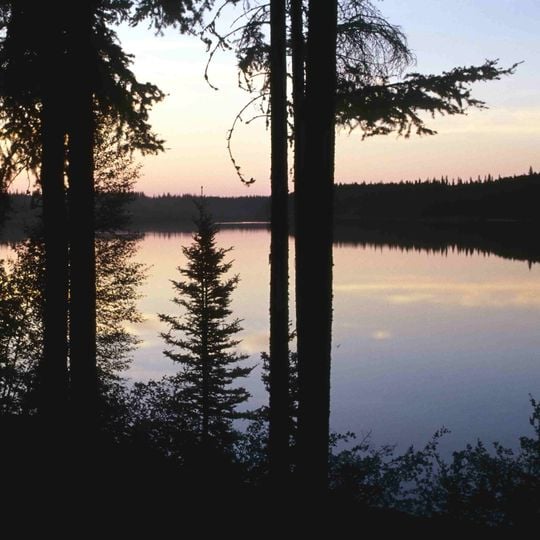
Wood Buffalo National Park, National park in northern Alberta and Northwest Territories, Canada
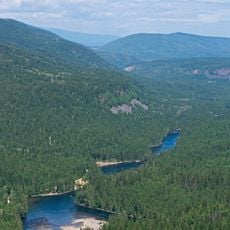
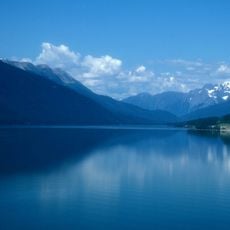
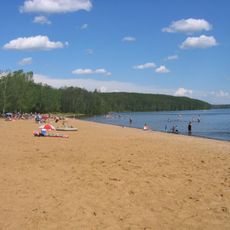
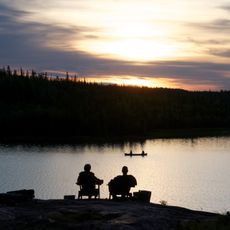
Wood Buffalo National Park is a protected wilderness area in northern Alberta and the Northwest Territories, covering roughly 45,000 square kilometers (17,400 square miles). The territory combines boreal forests, open prairies, and wide wetlands crossed by rivers and dotted with lakes.
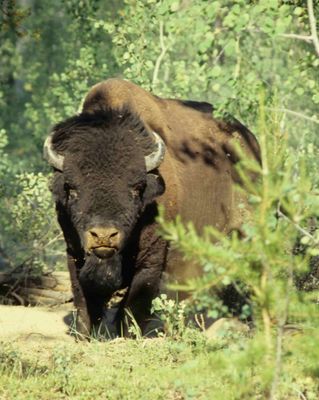
The Canadian government created this reserve in 1922 to protect the last free-roaming wood bison herds from disappearing entirely. Over the following decades, bison numbers recovered and the territory gained recognition as a World Heritage site.
The name Wood Buffalo comes from the wood bison the park was created to protect in 1922. The park surrounds several First Nations reserves, including Peace Point, where a pipe ceremony after the 1781 smallpox epidemic ended conflict between the Dane-zaa and Cree and gave the Peace River its name. The area lies at the junction of the Athabasca, Peace and Slave rivers, canoe routes used for trade for millennia.
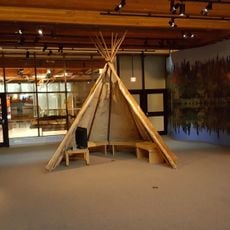
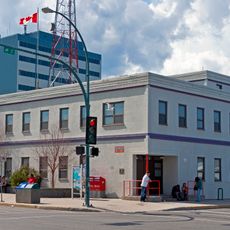
Fort Smith sits at the southern edge and serves as the main starting point for exploration, with a visitor center and camping spots spread throughout the territory. Trails are often unpaved, so travelers should prepare for changing weather and bring enough supplies.
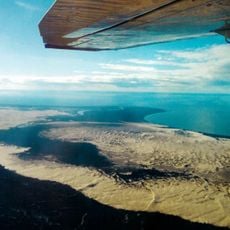
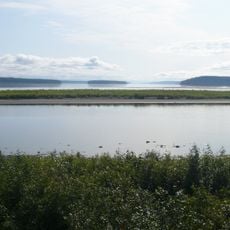
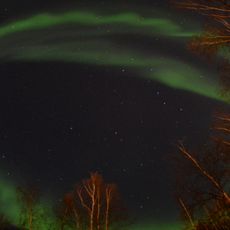
The Peace-Athabasca Delta forms the largest inland delta in North America and attracts millions of migratory birds that stop here to rest. At night the reserve offers some of the darkest skies on the continent, allowing visitors to watch northern lights and constellations without artificial light.
The community of curious travelers
AroundUs brings together thousands of curated places, local tips, and hidden gems, enriched daily by 92,835 contributors worldwide.