Northern Life Museum, rural history museum in Fort Smith Northwest Territories, Canada
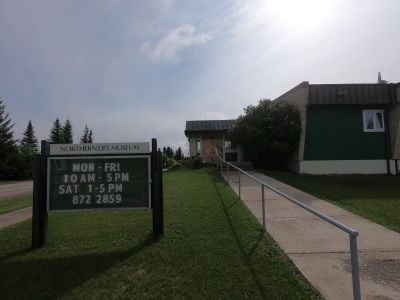
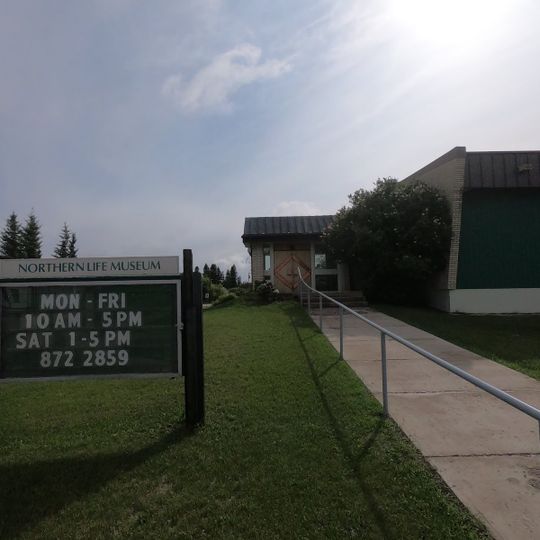
The Northern Life Museum in Fort Smith is a history museum displaying objects from the Northwest Territories and the people who lived there. The collection contains over 13,000 items including tools, clothing, and crafts from First Nations, Inuit, Métis, and Euro-Canadian communities arranged in indoor and outdoor exhibits.
The museum opened in 1964 with items gathered by missionaries including the Oblate Fathers and Grey Nuns who worked in the region. The collection grew over decades and was eventually housed in a building completed in 1974, preserving the story of the fur trade, missionary activity, and early settlement.
The museum displays traditional crafts, clothing, and tools created by First Nations, Inuit, and Métis communities. These exhibits show how different groups adapted to life in the North and maintained their skills across generations.
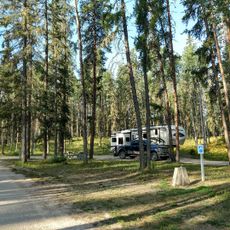
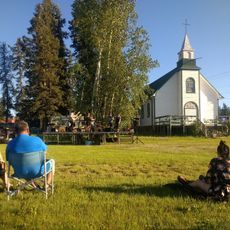
The museum is located downtown on King Street in Fort Smith and is easily accessible on foot. Visitors can explore both outdoor and indoor spaces including a recreated trapper's cabin, wildlife displays, and historical equipment, so plan time to walk through the exhibits.
The museum houses Canus, a taxidermied whooping crane that symbolizes efforts to save this endangered species. This bird was found injured in 1964, raised in Maryland, and returned in 2004 to be displayed as a monument to wildlife conservation.
The community of curious travelers
AroundUs brings together thousands of curated places, local tips, and hidden gems, enriched daily by 91,651 contributors worldwide.