Northwest Territories, Canadian territory in northern North America, Canada
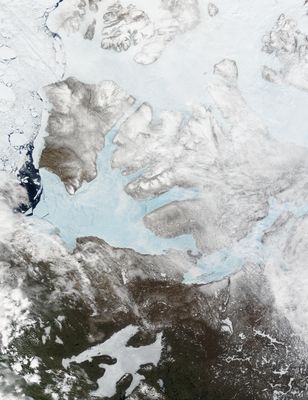
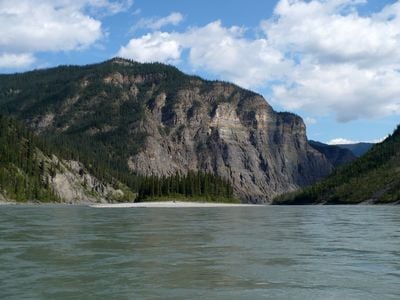
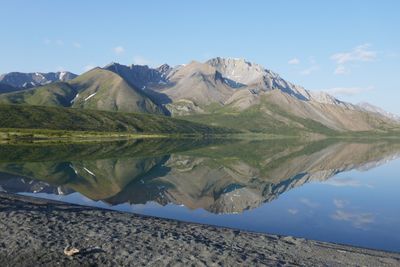
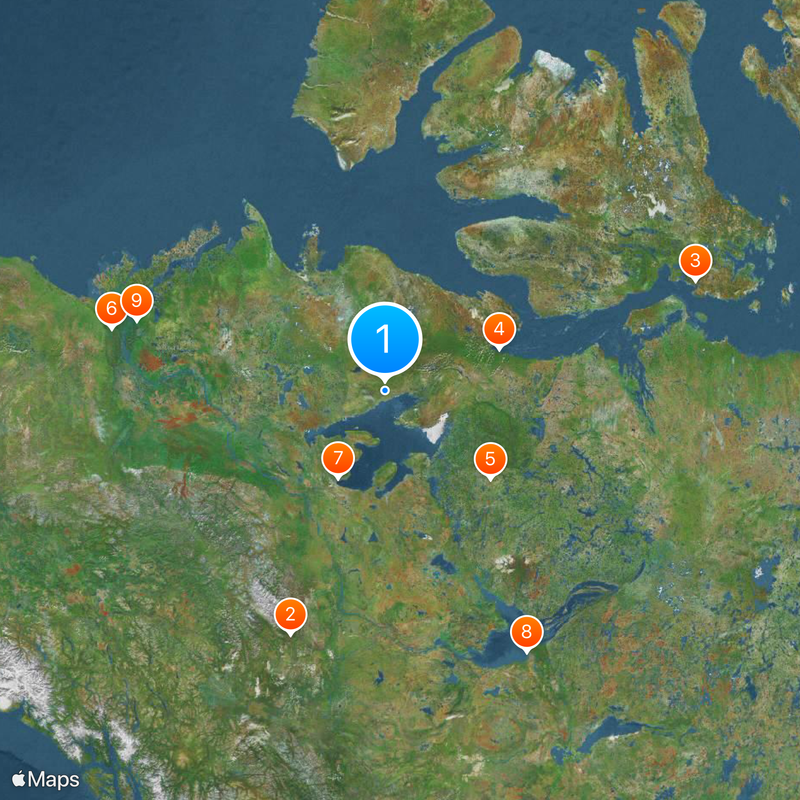
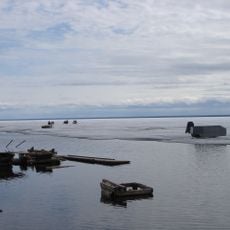
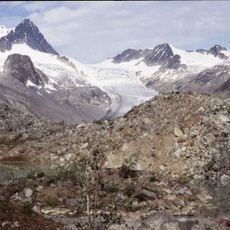
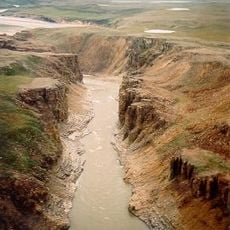
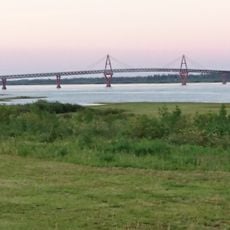
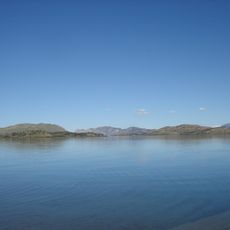
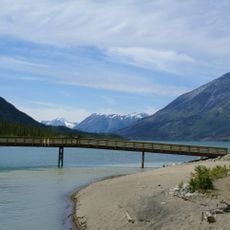
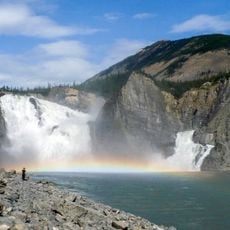
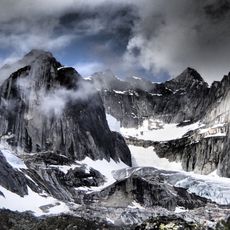
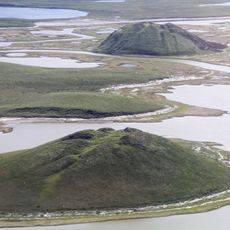
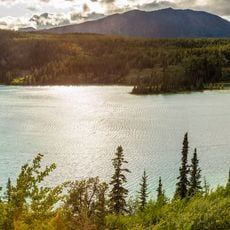
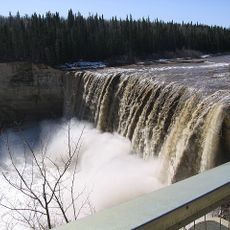
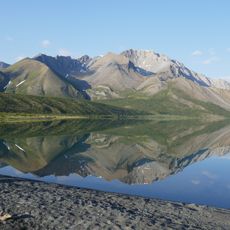
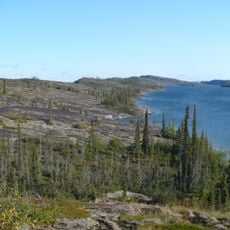
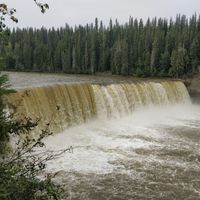
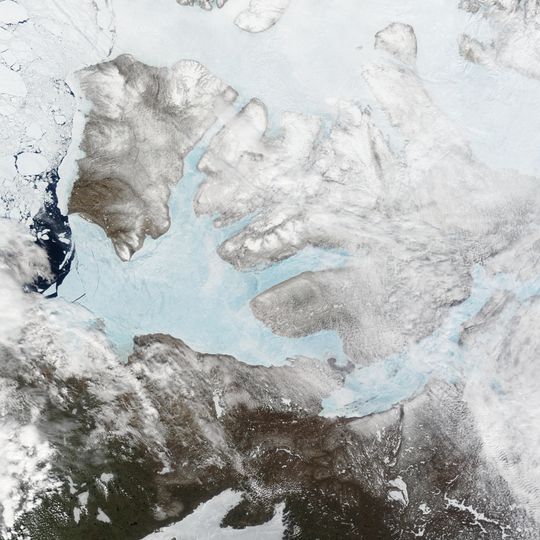
The Northwest Territories are a Canadian territory in northern North America, stretching across a vast expanse defined by Arctic tundra, mountain ranges and large inland bodies of water including Great Slave Lake. The landscape consists of flat plains in the north, forested hills in the south and numerous rivers running through the entire region toward the Arctic Ocean.
This territory came into being in 1870 when the Hudson's Bay Company transferred its northern lands to the Canadian government, with borders initially covering much larger areas of present-day Canada. Over the following decades several provinces were carved out, and in 1999 the eastern portion separated to form the new territory of Nunavut.
Many communities here maintain close ties to the land through hunting, fishing and gathering practices that continue year-round and shape daily routines. Visitors can attend powwows, drum dances and storytelling events where Indigenous traditions remain active and visible in everyday life.
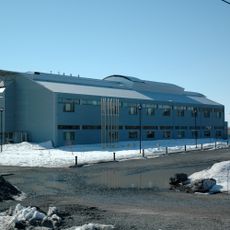
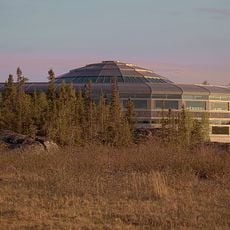
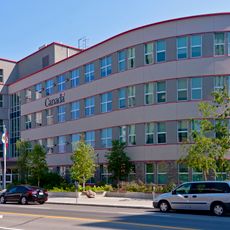
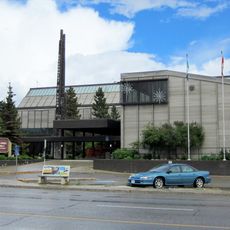
Yellowknife serves as the capital and central hub for transport links to southern Canada, from where other communities can be reached by plane or via winter ice roads across frozen lakes. Extreme climate conditions require warm clothing and careful travel planning, especially during winter months when temperatures drop sharply.
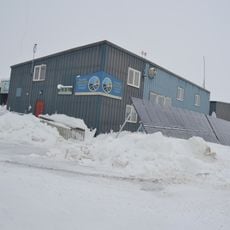
The location above the 60th parallel creates periods of continuous daylight in summer and total darkness in winter, phenomena that deeply affect how residents structure their days. In many remote settlements groceries and schools are only accessible by unpaved roads or floatplane, shaping daily routines differently than in southern regions.
The community of curious travelers
AroundUs brings together thousands of curated places, local tips, and hidden gems, enriched daily by 90,797 contributors worldwide.