Banff National Park, National park in Alberta, Canada
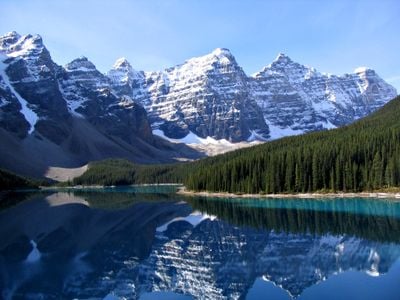
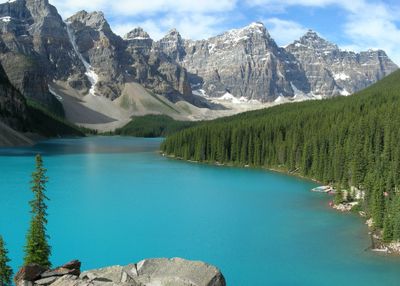
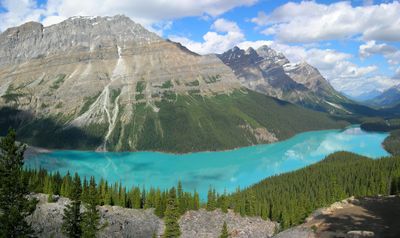
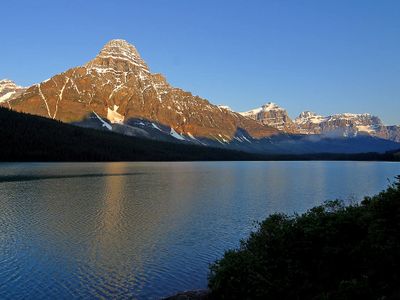
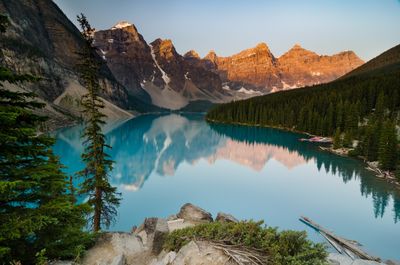
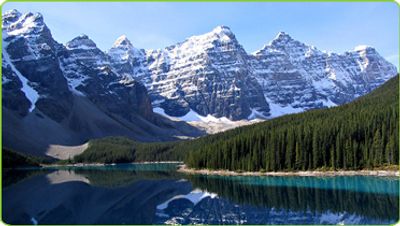
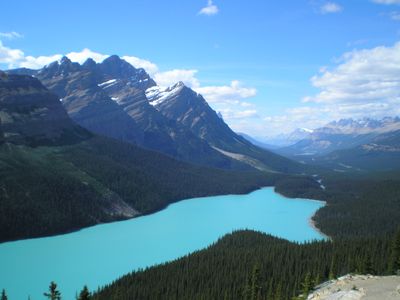
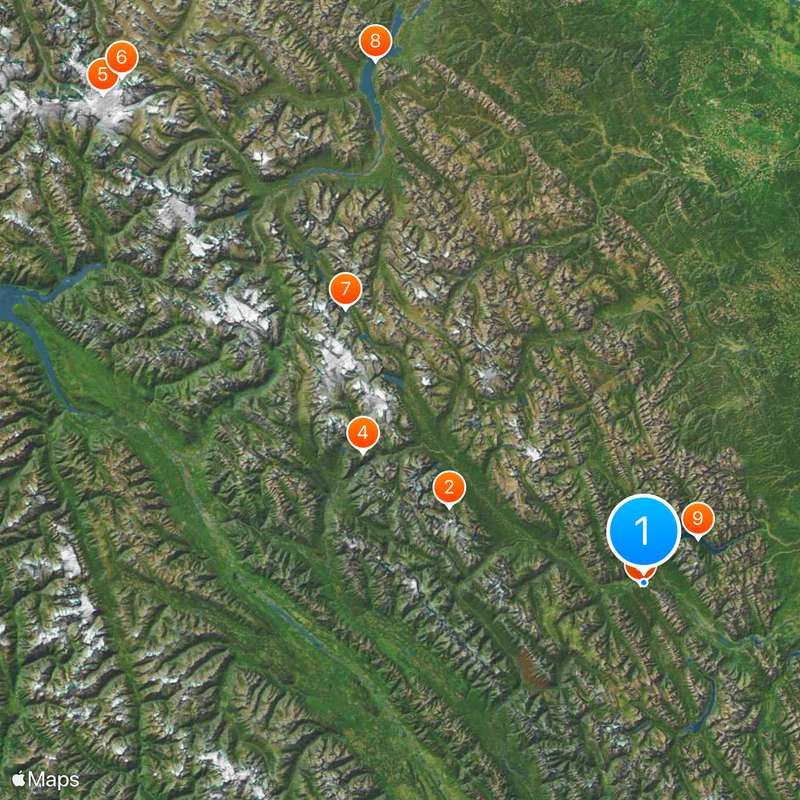
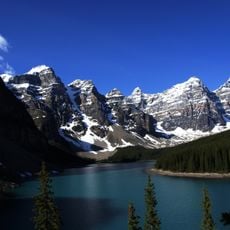
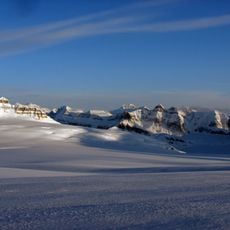
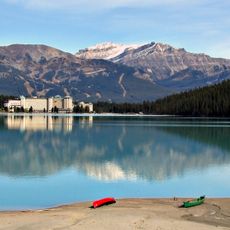
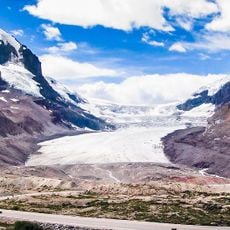
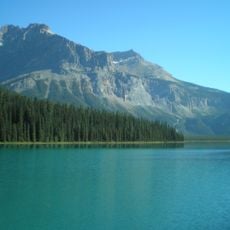
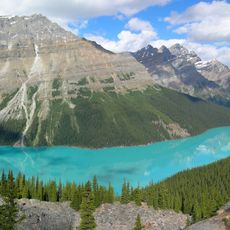
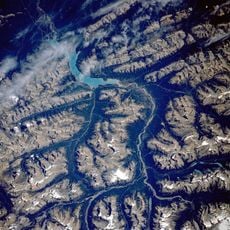
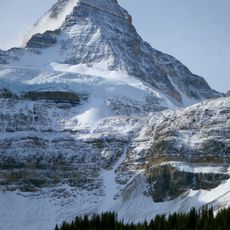
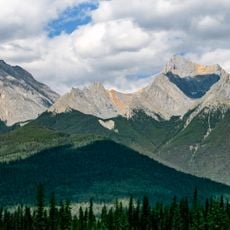
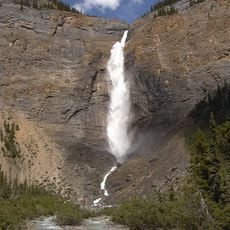
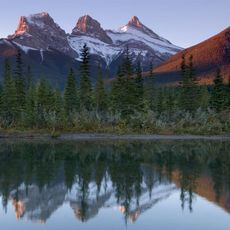
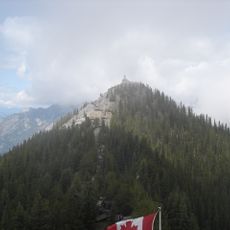
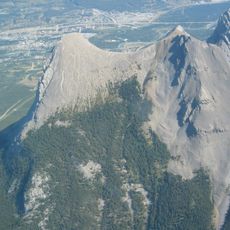
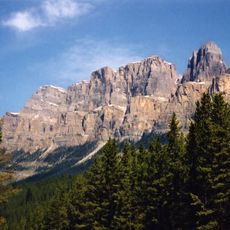
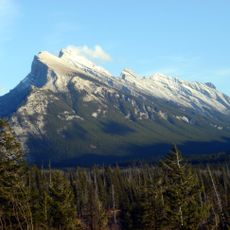
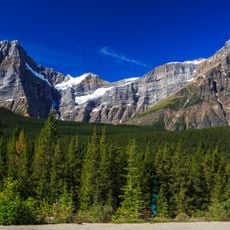
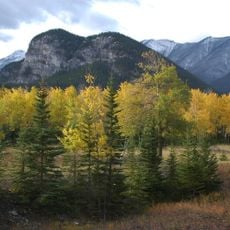
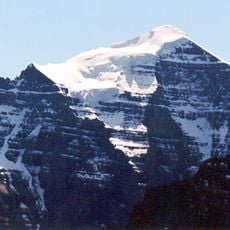
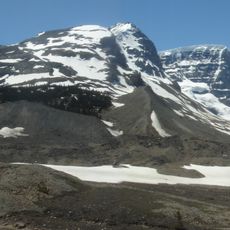
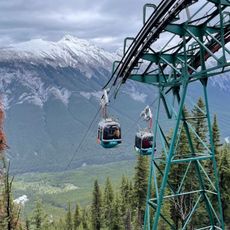
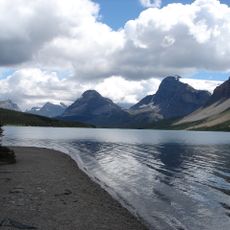
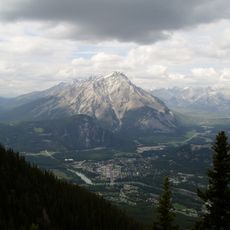
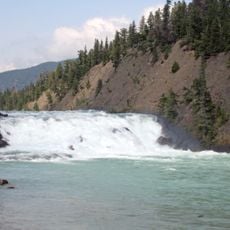
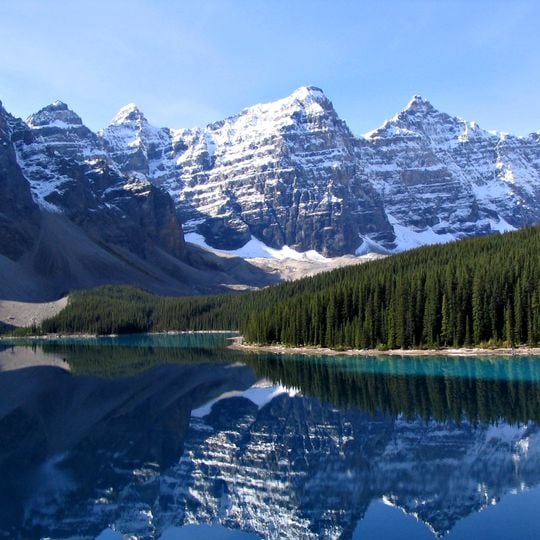
Banff National Park is a protected area in the Canadian Rocky Mountains, covering roughly 6,641 square kilometers and including glaciers, mountain peaks, and alpine lakes such as Louise and Moraine. The terrain ranges across different elevations, with valleys, conifer forests, and snow-capped ridges connected by a network of hiking trails and roadways.
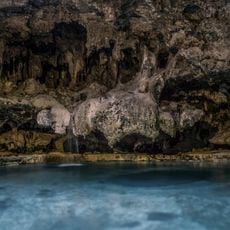
In 1883, railway workers were shown the hot spring in a cave at Cave and Basin by First Nations members. In 1885, Prime Minister John A. Macdonald set aside 26 square kilometres around the springs as the Banff Hot Springs Reserve. The Rocky Mountains Park Act of 23 June 1887 expanded it to 674 square kilometres and renamed it Rocky Mountains Park, Canada's first national park.
The park's name comes from Banffshire, the Scottish home region of two Canadian Pacific Railway backers. Many places keep Stoney Nakoda names, such as Lake Minnewanka and the Waputik Range, and the Cave and Basin springs were a spiritual and cultural site for the Nakoda.
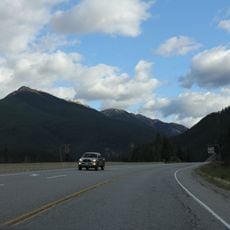
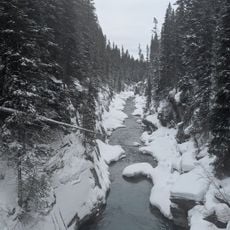
Three visitor centers offer guidance on trails, lodging options, and safety rules, with a valid pass required for every entry into the reserve. Winter closes some roads and renders many paths inaccessible, while summer opens all elevations and provides longer daylight hours for exploration.
Thermal springs within the reserve reach temperatures around 47 degrees Celsius (117 degrees Fahrenheit), forming the only natural hot mineral springs in the Canadian Rockies. These springs attract bathers year-round and remain steaming and ice-free even in the depths of winter.
The community of curious travelers
AroundUs brings together thousands of curated places, local tips, and hidden gems, enriched daily by 92,086 contributors worldwide.