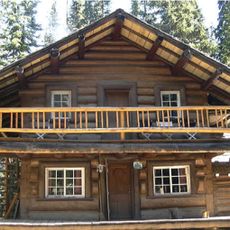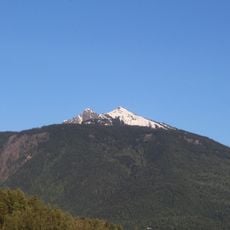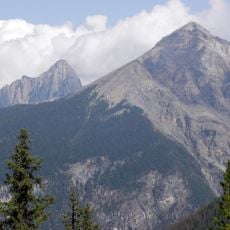
Rogers Pass, Mountain pass in Selkirk Mountains, British Columbia, Canada
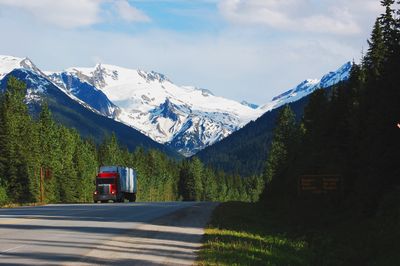
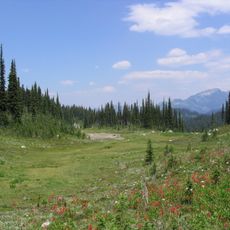
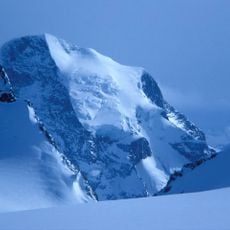
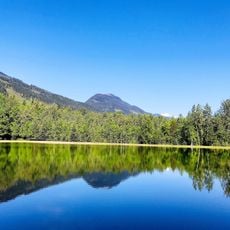
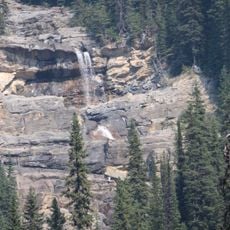
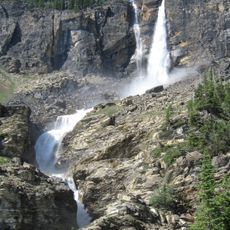
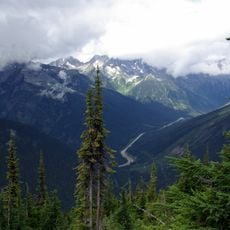
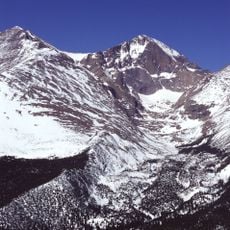
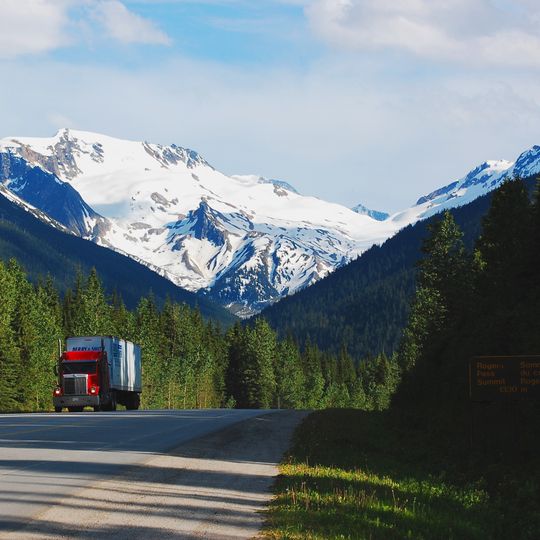
Rogers Pass is a mountain crossing through the Selkirk Mountains at roughly 1330 meters elevation, traversing dense forests and steep terrain. The route connects regions on both sides of the mountain range through a valley with sharp curves and exposed slopes.
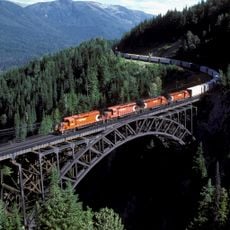
In 1881 the Canadian Pacific Railway offered Major A.B. Rogers $5,000 and naming rights to find a pass through the Selkirk Mountains. He reached the summit from the west on May 28, 1881, and confirmed the route from the east on July 24, 1882. Rogers refused to cash the cheque until manager William Cornelius Van Horne added a gold watch. The railway crossed the pass in 1885.
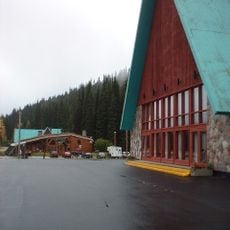
The Rogers Pass Discovery Centre, the park administration base, holds exhibits on the railway's snowsheds and the 1910 avalanche that killed 62 people, which led to the Connaught Tunnel. The pass has drawn tourists since 1886, and its name honours Major A.B. Rogers, who refused to cash his $5,000 cheque until a gold watch was added.
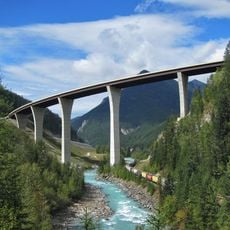
The Trans-Canada Highway provides year-round access, though winter driving requires caution due to heavy snowfall and avalanche risk. Summer visits are easier and safer, while snow clearing and avalanche control work intensively during colder months.
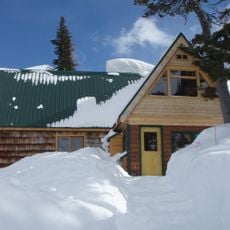
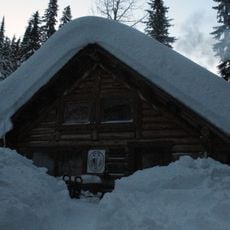
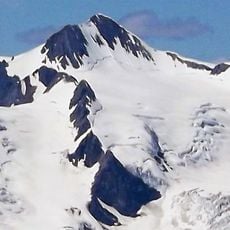
The pass records about ten metres of snow each winter, feeding 134 avalanche paths. After an avalanche killed 62 people clearing the line in 1910, CP drove the 8.1 km Connaught Tunnel, North America's longest when it opened in 1916; the 14.7 km Mount Macdonald Tunnel followed in 1988.
The community of curious travelers
AroundUs brings together thousands of curated places, local tips, and hidden gems, enriched daily by 94,036 contributors worldwide.