Wolf Mountains Battlefield, Battlefield site in Rosebud County, Montana, US.
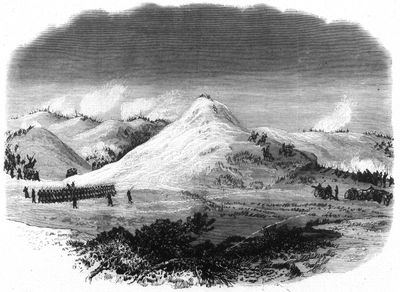
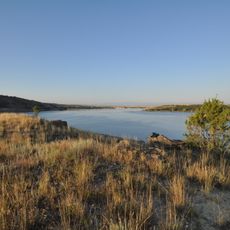
Wolf Mountains Battlefield is a battle site in Rosebud County, Montana where Army troops and warriors fought a decisive engagement across open landscape. The terrain features valleys, hills, and riverside plains where traces of this historical clash remain visible to visitors today.
The Battle of Wolf Mountain was fought on January 8, 1877, the last major combat of the Great Sioux War of 1876–77. Soldiers had camped west of the river on January 7, backed by tall bluffs; Crazy Horse and his Oglala, Lakota and Cheyenne warriors opened fire from a canyon wall on the east side before being driven off. The Cheyenne medicine man Big Crow died there, and by May 6, 1877, Crazy Horse and his men surrendered.
The site's Cheyenne name, Where Big Crow Walked Back and Forth, honours the medicine man Big Crow, who died in the fighting of January 8, 1877. Northern Cheyenne accounts tie the battlefield to commemorations of both Wolf Mountains and Rosebud, battles they consider less remembered than the Little Bighorn.
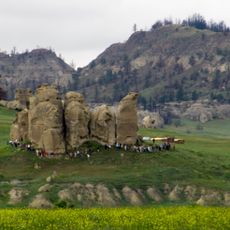
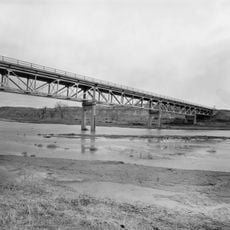
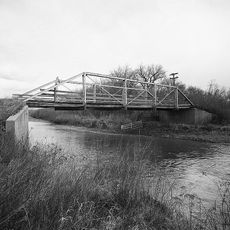
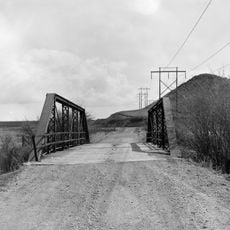
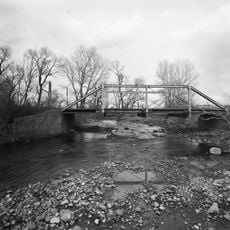
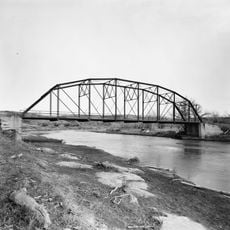
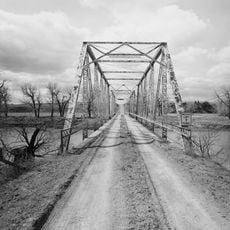
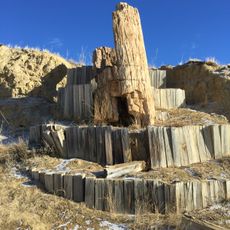
The battlefield lies in the Tongue River Valley near Birney, reached by unpaved roads; two dirt roads and utility lines cross the site. The river runs through deep curves between flood plains and towering rock walls, and the field extends about two miles along the river and two and a half miles across the valley. The rifle pit of F Company, 22nd Infantry, atop a rock wall is the only contributing structure.
The only surviving structure on the site is a rifle pit dug on January 9, 1877, by F Company of the Twenty-second Infantry, on a lookout atop a rock wall. The Cheyenne medicine man Big Crow died in the fighting, and the site's full name, "Where Big Crow Walked Back and Forth", honours him.
The community of curious travelers
AroundUs brings together thousands of curated places, local tips, and hidden gems, enriched daily by 93,357 contributors worldwide.