Western Canada, Geographic region in Western Canada
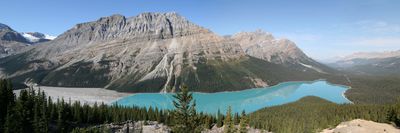
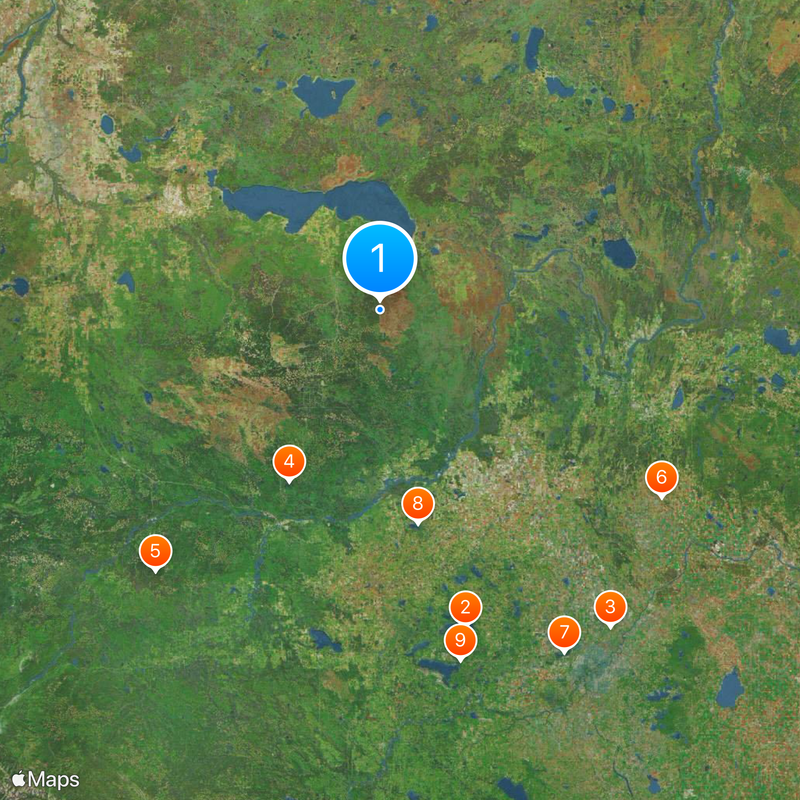
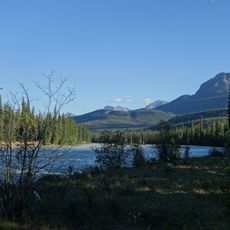
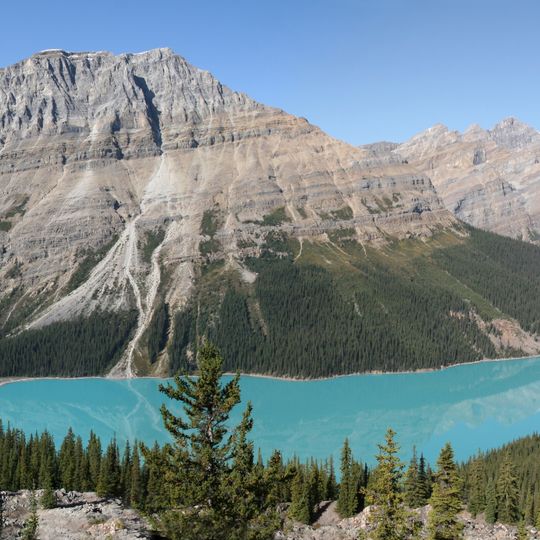
Western Canada is a large geographic region extending from the Pacific coast to Hudson Bay and encompassing the provinces of British Columbia, Alberta, Saskatchewan, and Manitoba. The landscape shifts from coastal mountains and temperate rainforests in the west through the prairies of the middle provinces to the boreal forests and lakes in the north.
Manitoba joined the confederation first among these provinces in 1870, following negotiations with the Métis community at Red River. British Columbia followed one year later, linking coastal areas to the interior territories, while Alberta and Saskatchewan formed from the Northwest Territories in 1905.
The area shows its cultural diversity through many Indigenous communities, ranging from the Coast Salish and Haida in the west to the Cree and Blackfoot further east. In British Columbia especially, visitors encounter totem poles and longhouses that remain accessible today.
Travelers exploring the region should expect large distances between cities and plan adequate time for driving. Weather can shift sharply within hours, especially in the prairie provinces, where warm layers remain useful even in summer.
Saskatchewan holds about 30 percent of global potash reserves, located mainly beneath the southern prairies. These mineral deposits shape the economy, while the prairie provinces together produce much of Canadian wheat.
The community of curious travelers
AroundUs brings together thousands of curated places, local tips, and hidden gems, enriched daily by 92,055 contributors worldwide.