Saskatchewan, Prairie province in western Canada.
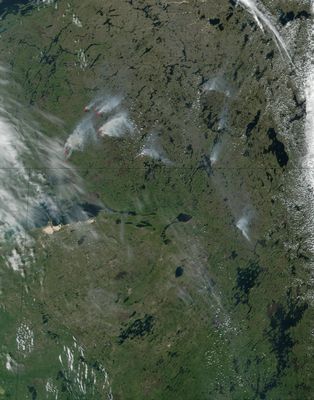
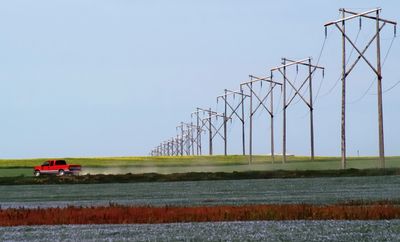
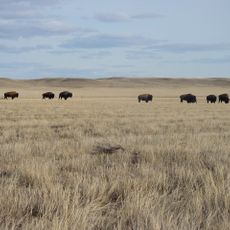
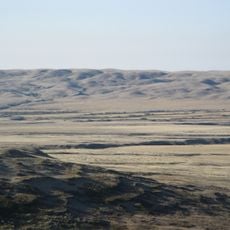
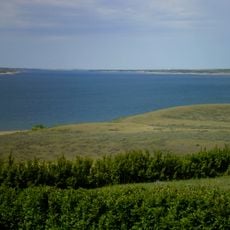
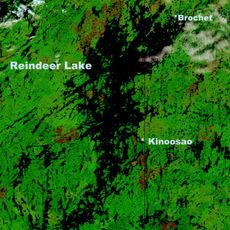
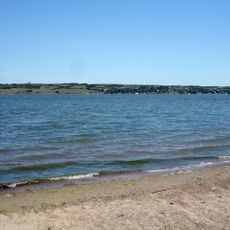
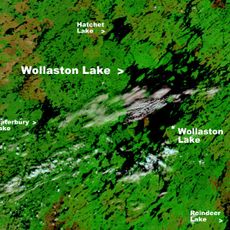
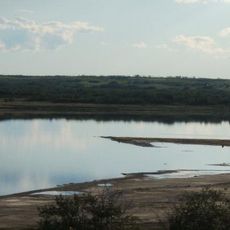
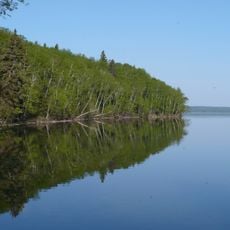
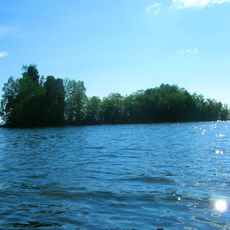
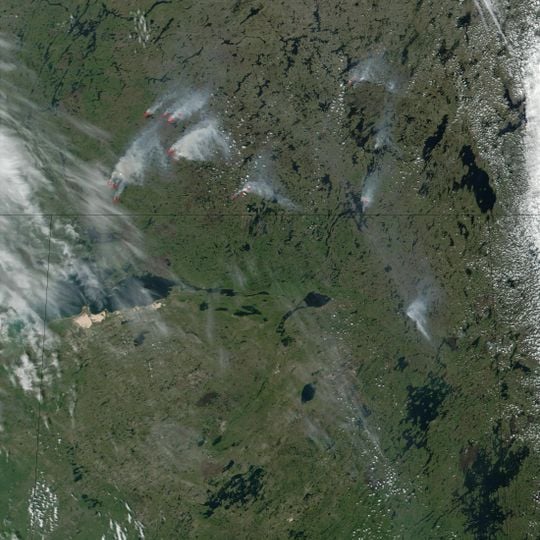
Saskatchewan is a western Canadian province that stretches across vast territories, with northern forest belts and southern plains filled with grain fields cut through by numerous lakes and river systems. The landscape shifts between dense coniferous forest, parkland with scattered tree clusters and open prairie where the horizon stays visible in every direction.
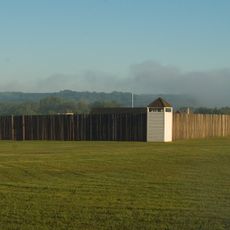
The province emerged from the Northwest Territories in 1905 and became part of Canadian confederation as settlers arrived in large numbers across the plains. Before that, First Nations and Métis had lived in the region for centuries until treaties and reserves altered their way of life.
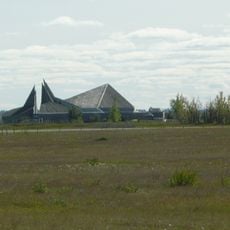
Residents celebrate their First Nations, Métis and European settler roots through festivals, powwows and cultural centers found in communities across the province. In smaller towns and rural areas, Hutterite colonies welcome visitors and harvest celebrations showcase farming traditions that remain active in daily life.
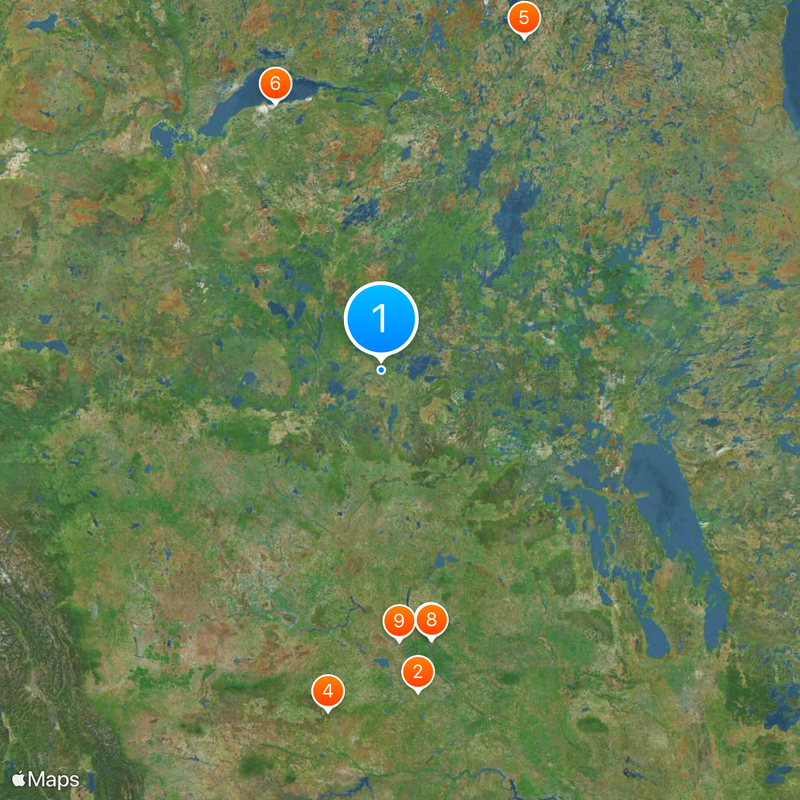
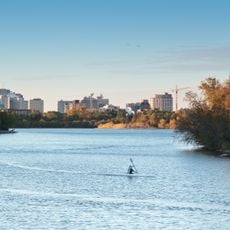
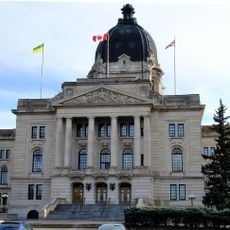
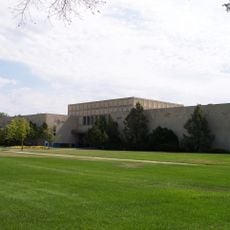
Regina, the capital, sits in the south and serves as the government center, while Saskatoon in the middle part of the province is the largest city and home to several universities. The highway network connects smaller towns and rural communities, with long distances between places being common.
The region produces more than half of Canadian wheat and leads the world in potash and uranium exports from mineral deposits in the northern areas. It also has more road distance per person than any other Canadian province, reflecting the vastness and spread of settlements.
The community of curious travelers
AroundUs brings together thousands of curated places, local tips, and hidden gems, enriched daily by 90,799 contributors worldwide.