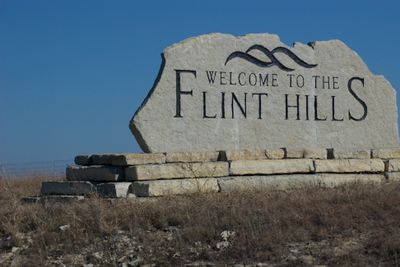
Flint Hills, Tallgrass prairie region in Kansas and Oklahoma, United States.
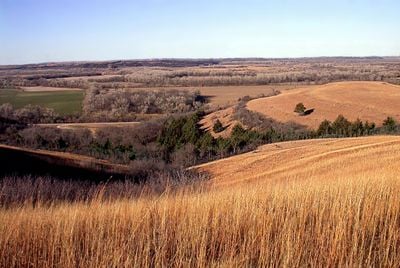
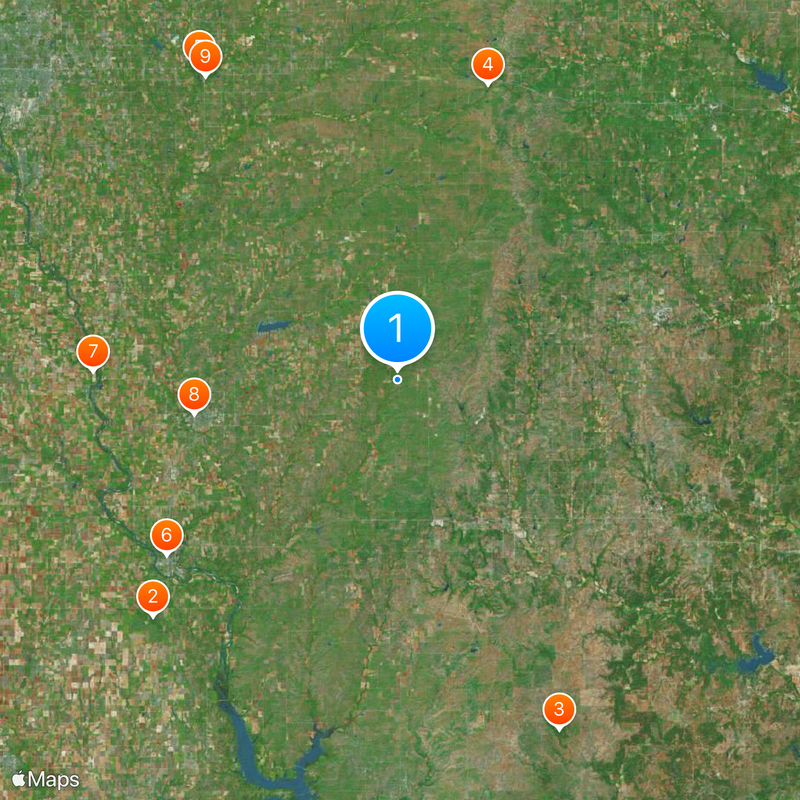
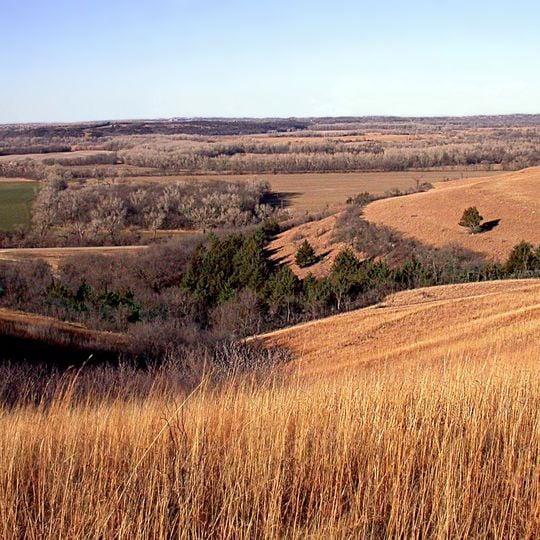
The Flint Hills form a band of hills and prairie running from Marshall and Washington counties in Kansas south into Cowley County and Oklahoma's Kay and Osage counties. The bedrock is flinty limestone and shale laid down about 250 million years ago, capped on most hilltops with chert gravel. Big bluestem, switchgrass and Indian grass cover the slopes, with dark green evergreens clustered in draws and bands of bare deciduous trees in the valleys below.
The area was first home to Native American tribes before European settlers arrived in the 1800s and discovered the soil was unsuitable for grain farming. They recognized instead the land's suitability for cattle ranching, shaping land use to the present day.
The region is shaped by cattle ranching and the visible practice of spring burns, which herders have carried out for generations to renew the grasslands.
The area can be explored via hiking trails and guided tours that provide insight into ecosystems and land management. Spring and fall are the best times to visit, when weather is milder and the landscape shows its seasonal changes.
The Flint Hills series in mathematics is named after this region; its convergence is tied to how irrational π is. The name itself comes from explorer Zebulon Pike, who wrote in his 1806 journal of passing "very ruff flint hills". The chert gravel capping most hilltops is what early settlers could not plough.
The community of curious travelers
AroundUs brings together thousands of curated places, local tips, and hidden gems, enriched daily by 92,655 contributors worldwide.