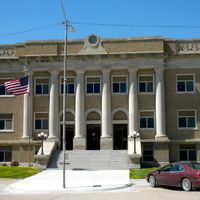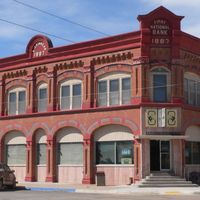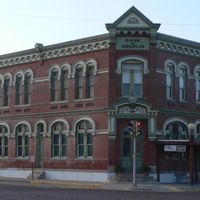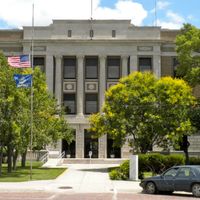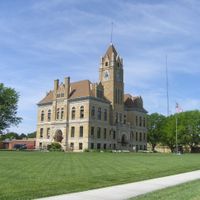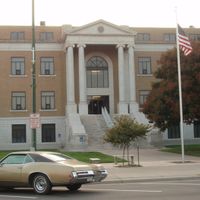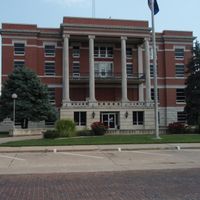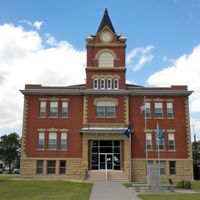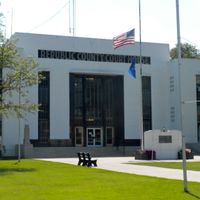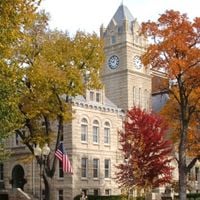
Kansas, U.S. state in the Midwestern United States
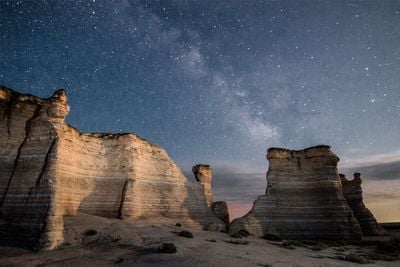
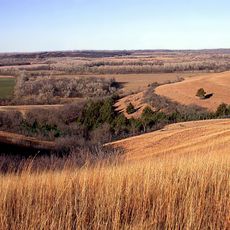
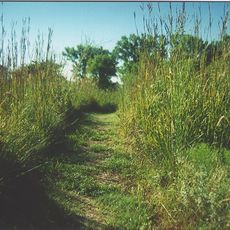
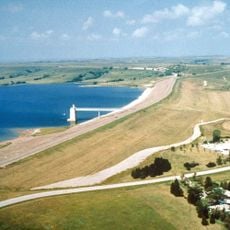
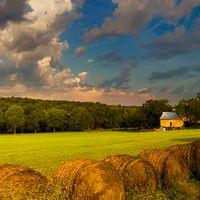
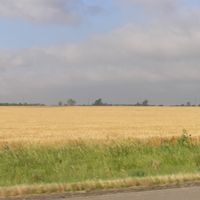
This state stretches across wide prairie territories, rolling hills, and fertile plains between Nebraska, Missouri, Oklahoma, and Colorado. The landscape shifts from flat grasslands in the west to more rolling terrain in the east, with rivers like the Missouri and the Arkansas cutting through the land.
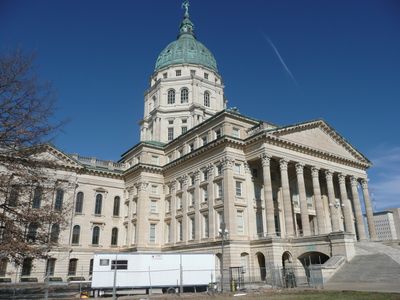
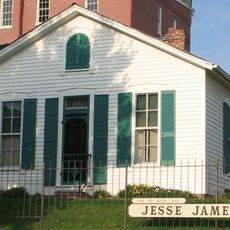
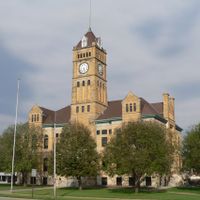
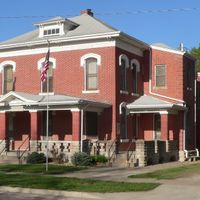
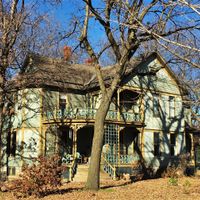
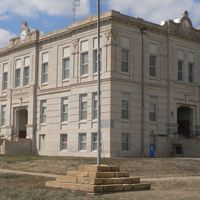
The territory saw intense conflicts between pro-slavery and anti-slavery settlers throughout the 1850s before joining the Union as the 34th state in 1861. These confrontations shaped its political identity and left traces still visible in many preserved historical sites across the land.
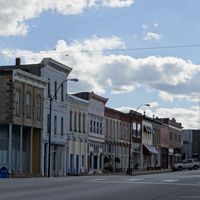
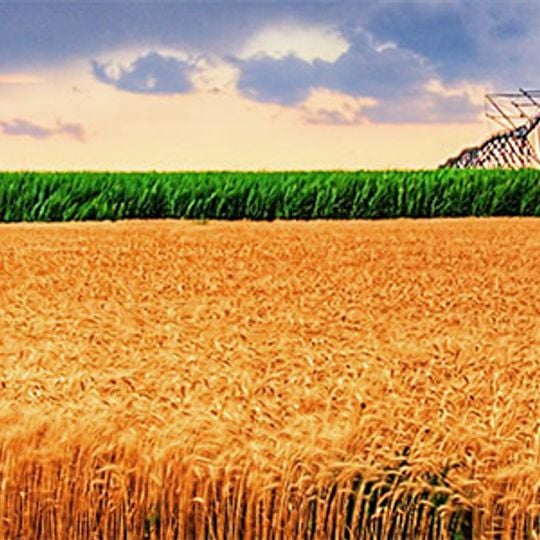
Agriculture shapes everyday life, with farmers markets, harvest celebrations, and regular rodeos in small towns throughout the state. People maintain community values reflected in neighborly cooperation and local fairs where handcrafts and regional farm products are displayed.
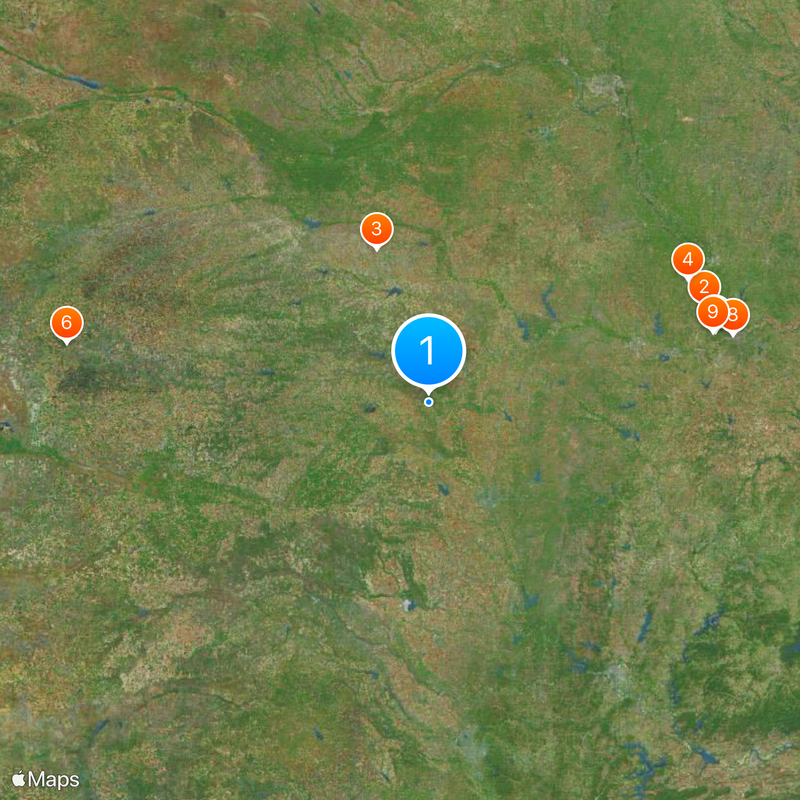
The state includes rural areas with long stretches between towns, so a car is recommended for getting around. Most points of interest sit along major highways, with cities like Topeka, Wichita, and the western side of Kansas City serving as base points.
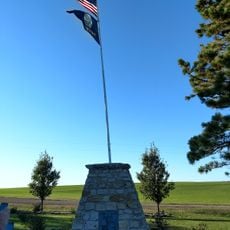
The territory holds the geographic center of the contiguous United States, located near Lebanon in Smith County. This point was recalculated after Alaska and Hawaii joined and marks the mathematical midpoint of the 48 connected states.
The community of curious travelers
AroundUs brings together thousands of curated places, local tips, and hidden gems, enriched daily by 90,798 contributors worldwide.