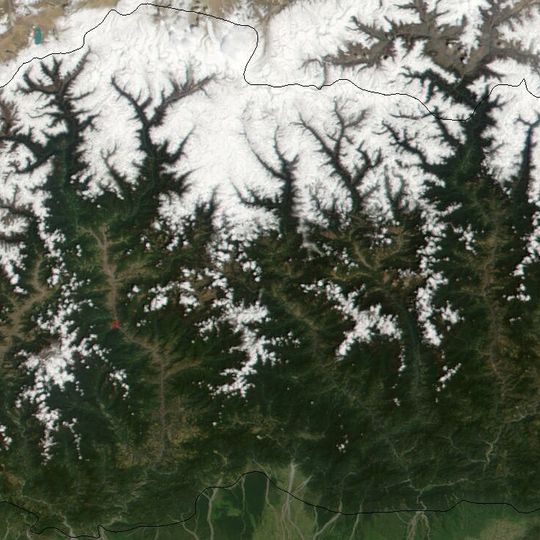
Geography of Bhutan, Landlocked mountain nation in South Asia
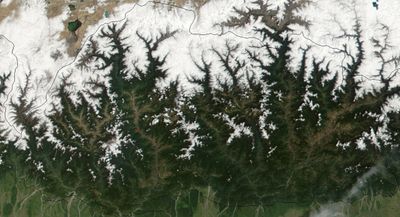
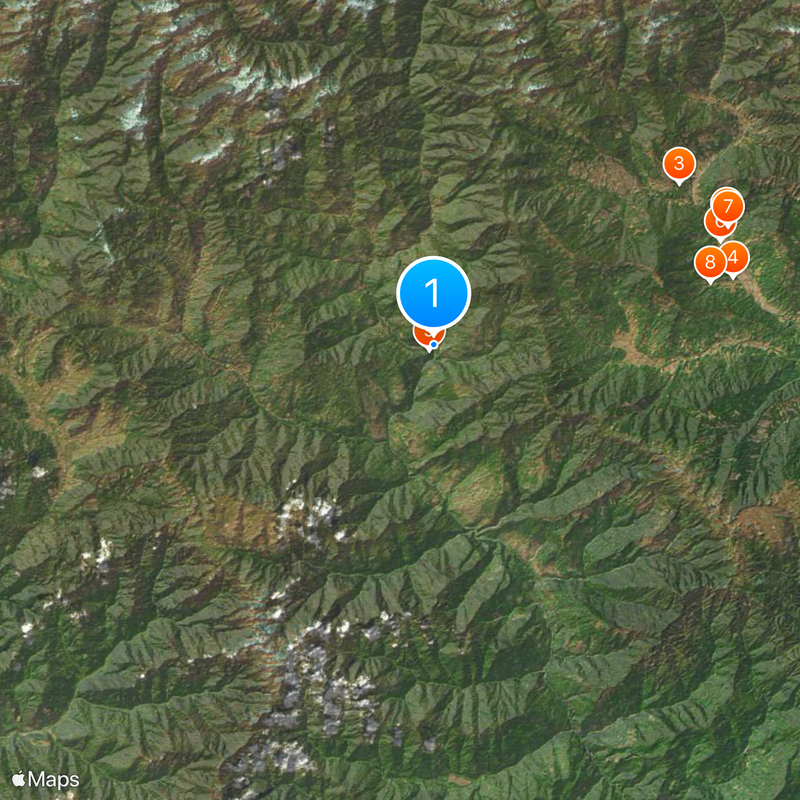
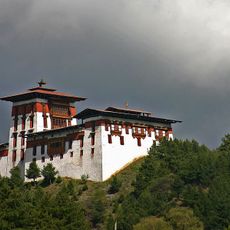
The geography of Bhutan covers a mountainous territory stretching from the Himalayan peaks in the north to subtropical lowlands in the south. Four major rivers flow southward through the country before merging with India's Brahmaputra River system.
In the 16th century, Zhabdrung Ngawang Namgyel unified the region under central authority and organized it into administrative districts. This consolidation formed the political foundation for the nation as it exists today.
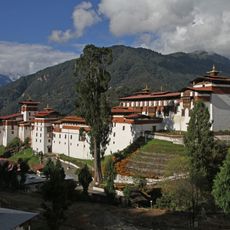
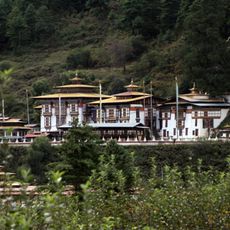
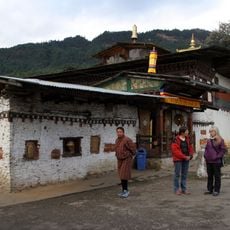
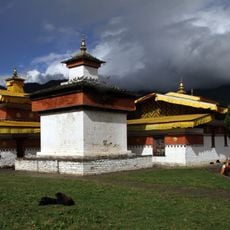
Buddhism shapes daily life across all three regions, with spiritual practices woven into how people interact with their surroundings and communities. Local beliefs connect the landscape to religious meaning, influencing everything from settlement patterns to land use in the valleys and highlands.
The mountainous terrain with significant elevation changes requires careful planning for visitors, as climate and conditions vary greatly between regions. The best time to explore is typically May through September, when trails are passable and weather is more stable.
The northern reaches contain Gangkhar Puensum, a peak rising above 7,500 meters that has never been summited despite numerous attempts. This uncommon distinction makes it one of the last major unclimbed mountains on Earth.
The community of curious travelers
AroundUs brings together thousands of curated places, local tips, and hidden gems, enriched daily by 92,127 contributors worldwide.