Trongsa Dzong, Dzong fortress in Trongsa, Bhutan
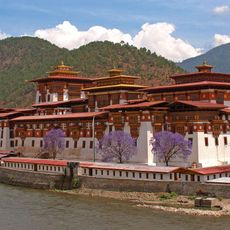
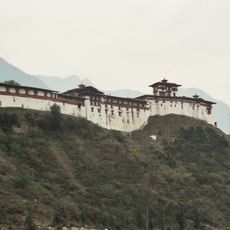
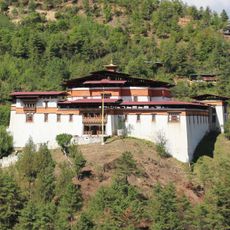
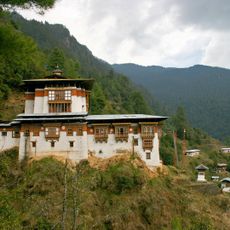
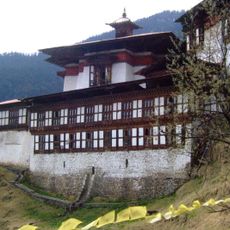
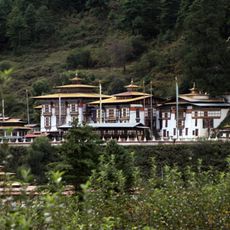
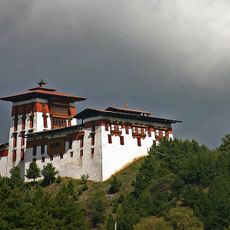
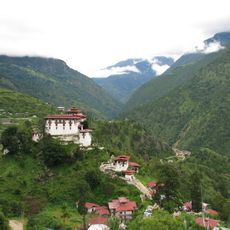
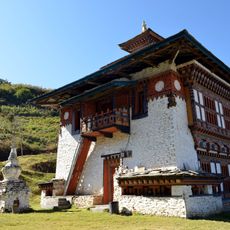
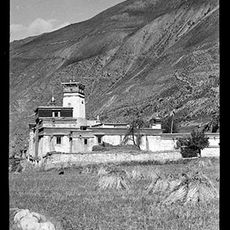
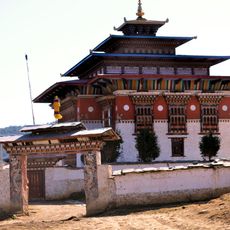
Trongsa Dzong is an enormous stone fortress that spans multiple levels along a steep hillside, overlooking the deep valley of the Mangde River in central Bhutan. The complex follows the natural slope of the mountain and connects different structures through narrow passages and stone staircases.
A temple was founded on this spur in 1543 by the Drukpa lama Ngagi Wangchuk, great-grandfather of Shabdrung Ngawang Namgyal, after he saw lights from lamps at the tip of the ridge. In 1647 Ngawang Namgyal replaced it with the dzong Chökhor Rabtentse, later shortened to Choetse Dzong. It was the seat of the Wangchuck penlops, governors of Trongsa, before the dynasty became kings of Bhutan in 1907. The 1897 Assam earthquake damaged it; it was repaired in 1927 and 1999.
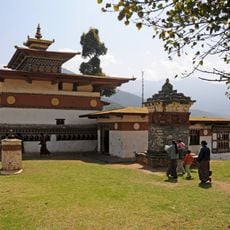
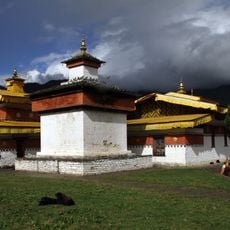
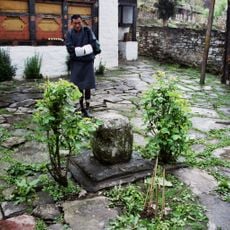
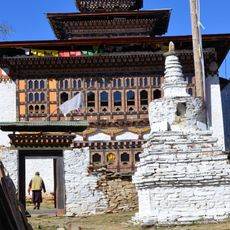
The name Trongsa comes from drongsar, "new village", after the settlement that grew around Ngagi Wangchuk's meditation temple. About 200 monks live in the dzong for most of the year, moving to Kurje Monastery in the Bumthang Valley in summer. The original temple site stands at the end of the dzong, at the Temple of Chortens.
Visitors can walk up narrow stone staircases connecting different sections of the fortress, including the Ta Dzong watchtower that now functions as a museum. Sturdy walking shoes are important since the paths are steep and uneven with many steps to climb.
Trongsa Dzong houses a printing house that produces many of Bhutan's religious texts. The dzong is also the seat of the Wangchuck dynasty's penlops, governors who ruled much of eastern and central Bhutan before 1907, when the family became Bhutan's royal line. Around 200 monks live in the complex, moving to Kurje Monastery in Bumthang during summer.
The community of curious travelers
AroundUs brings together thousands of curated places, local tips, and hidden gems, enriched daily by 92,777 contributors worldwide.