Wangdue Phodrang, Buddhist monastery in Thedtsho Gewog, Bhutan
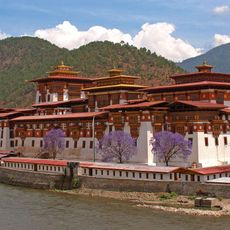
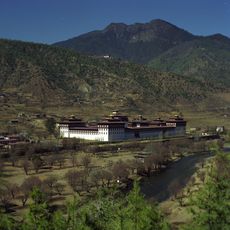
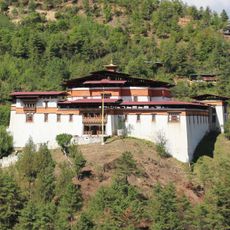
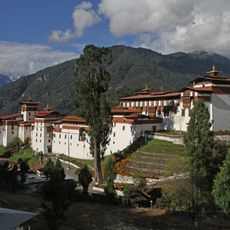
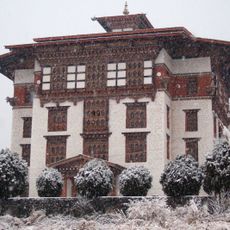
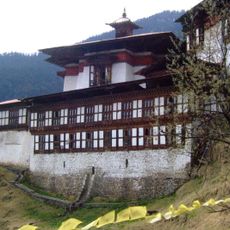
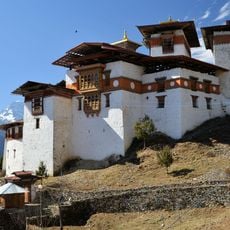
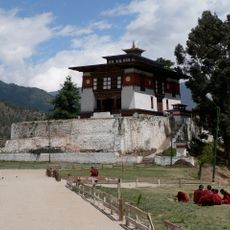
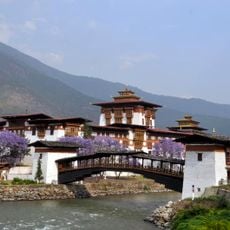
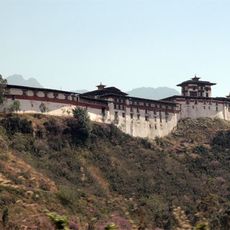
Wangdue Phodrang is a town in central Bhutan whose dzong, built in 1638, stands on a ridge above the Puna Tsang Chhu. The dzong's large courtyard hosts tshechu festivals and official ceremonies. The town lies at about 1,000 metres, a warm subtropical setting used for growing fruit, including oranges.
The monastery was founded in 1638 and received its name following an encounter with a young boy named Wangdi during its construction. This establishment represented an important phase in the spiritual consolidation of central Bhutan.
The town takes its name from the dzong: the Zhabdrung Ngawang Namgyal, seeking a site against incursions from the south, met a boy named Wangdi playing by the river and called the fortress "Wangdi's Palace". The dzong's courtyard hosts the annual tshechu, and the masked dance Dolay Raksha was once performed to draw the river spirit away while a bridge was rebuilt.
The monastery is accessible via paved roads from nearby towns, with regular transportation services connecting the area. Visitors should prepare for variable weather at this elevation and plan accordingly.
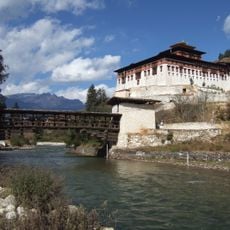
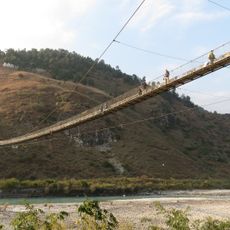
The old cantilever bridge over the Punatsangchu was built under the mason Drakpa of Rinchengang, with a mandala to Mithrugpa set at its base against flash floods. A flood swept the whole bridge away, leaving the mandala and base intact. The 20th Wangzop Domchung then staged the Dolay Raksha masked dance to hold the river spirit while his men rebuilt it.
The community of curious travelers
AroundUs brings together thousands of curated places, local tips, and hidden gems, enriched daily by 92,963 contributors worldwide.