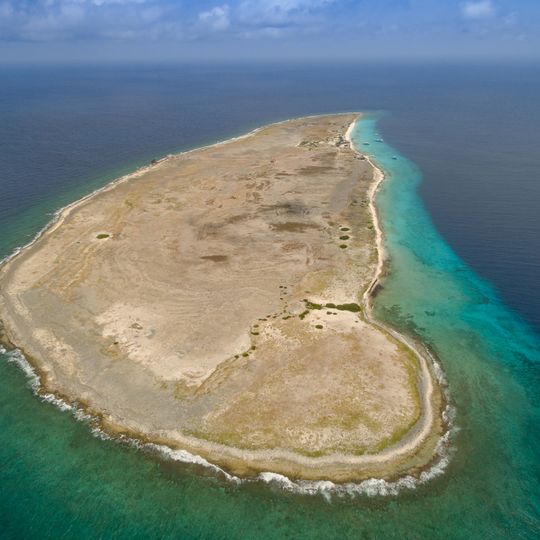
Klein Curaçao, Uninhabited island in Leeward Antilles, Caribbean Sea
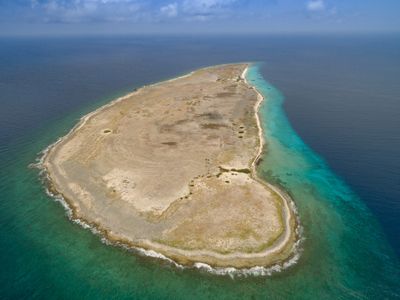
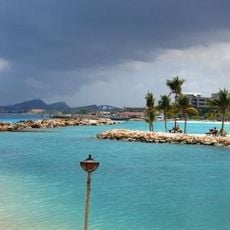
Klein Curaçao is an uninhabited island with white sand beaches that rises about 4 meters above sea level. The island stretches across flat terrain and is surrounded by turquoise water that provides excellent snorkeling conditions.
The island served as a quarantine station during the Caribbean slave trade era. Graves in the southern section testify to this dark period in the region's history.
The island's name appears on older charts as Isla Nicula and Adícora. Its terns served navigation: crews heard them cry as boats approached and knew to steer clear. In 1737 a ban on collecting their eggs set fines for whites and flogging plus a year of forced labour in Bonaire's salt pans for enslaved and mulatto offenders.
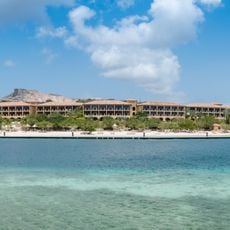
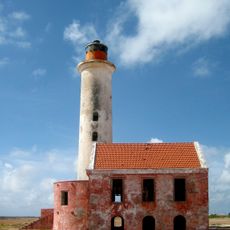
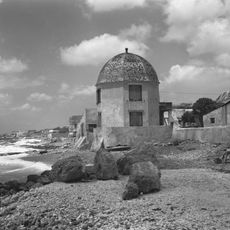
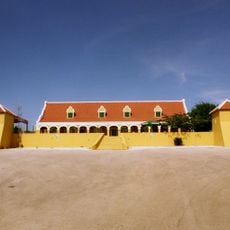
Day trips reach the island by boat from Curaçao, and shade is limited to a few palm-frond sheds on the southwest coast. One operator has fenced off a plot around a phosphate-era building and its lookout tower, so the rest of the island is reached on foot. The windward east coast holds the rusting tanker Maria Bianca Guidesman, and the 1913 lighthouse can be climbed.
The tanker Maria Bianca Guidesman grounded on the eastern shore in 1982, not 1988, and the constant surf has been breaking it up ever since. The rusted hull lies on the windward side, where the same north-easterly wind and strong currents have driven several other vessels ashore, including the German HAPAG motor ship Magdalena, which was pulled off with great difficulty in 1934.
The community of curious travelers
AroundUs brings together thousands of curated places, local tips, and hidden gems, enriched daily by 92,881 contributors worldwide.