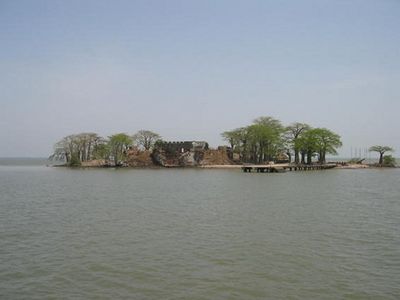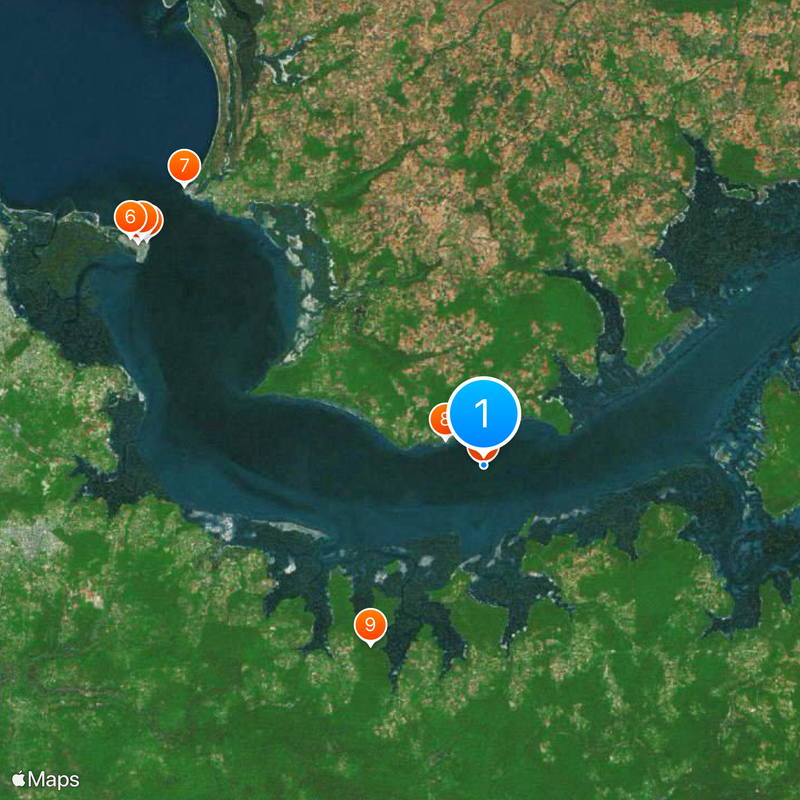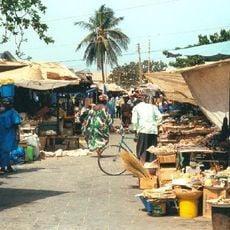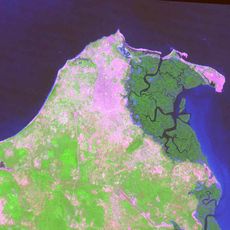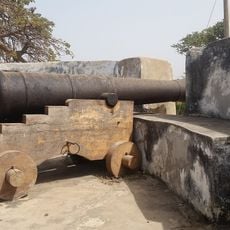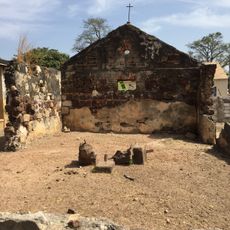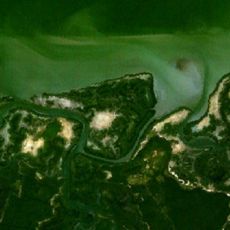
Kunta Kinteh Island, UNESCO World Heritage Site in North Bank Division, Gambia.
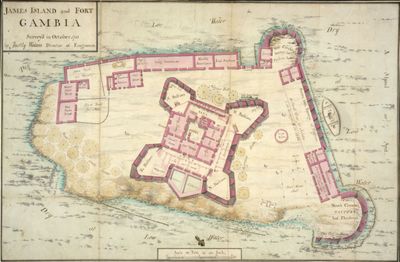
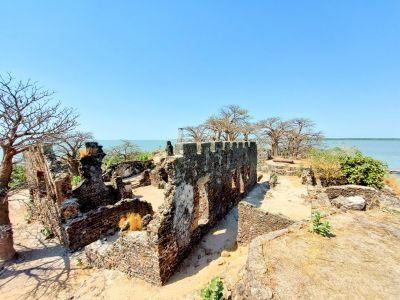
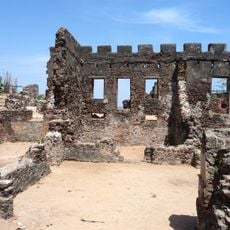
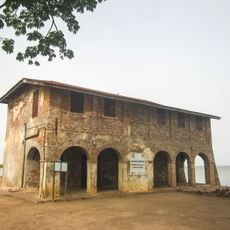
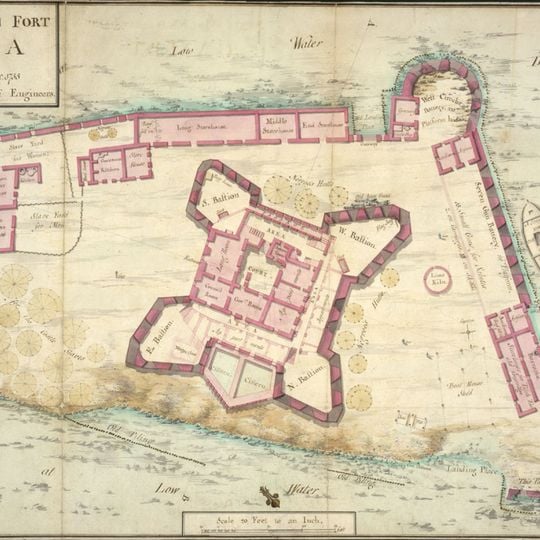
Kunta Kinteh Island sits at the mouth of the Gambia River and contains ruins of fortifications and buildings from colonial periods and slave trade operations. The remains reveal structures including holding cells, warehouses, and administrative buildings that once stood on this strategic location.
Portuguese traders established the first European settlement here in 1456, building a fort to control access to inland Africa. Later, other European powers took control and used the island for centuries as a center of slave trade operations.
The island represents resistance against the transatlantic slave trade and carries meaning for people tracing their roots and family histories. Visitors sense this significance while walking among the ruins and learning about those who were held captive here.
The island is accessible only by boat from nearby towns, and visitors should prepare for uneven terrain and changeable weather conditions. Local operators offer guided tours throughout the year to help navigate the ruins and their history.
River erosion has dramatically reduced the island's original size since the 18th century and continues to reshape what visitors encounter. This ongoing process means archaeology here is constantly revealing new elements as nature exposes buried remains.
The community of curious travelers
AroundUs brings together thousands of curated places, local tips, and hidden gems, enriched daily by 90,837 contributors worldwide.