Kunta Kinteh Island and Related Sites, Historic fort ruins on an island in the Gambia River, Gambia
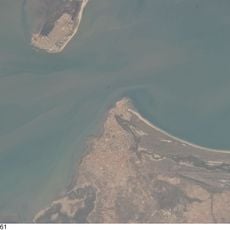
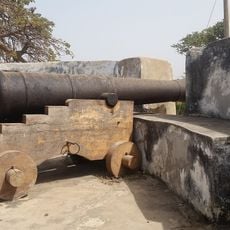
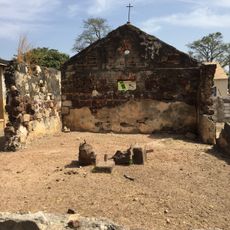
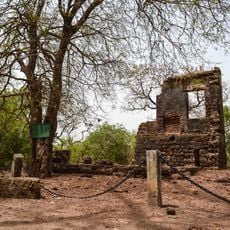
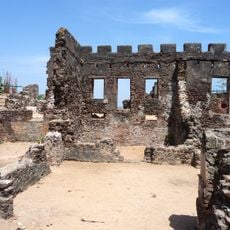
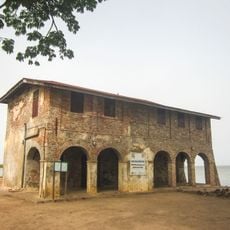
Kunta Kinteh Island and Related Sites comprise seven components along the Gambia River: Kunta Kinteh Island (0.35 ha) with the ruins of Fort James, whose square plan has 5 m walls and corner watchtowers; Six-Gun Battery in Banjul, holding six 24-pounder guns; and Fort Bullen on the north bank, with 3.5 m walls and four cannons. The island also retains kitchens, a forge, storerooms and a slave-house replica.
Alvise Cadamosto sailed up the Gambia River in 1456 for Henry the Navigator and made a treaty with Battimansa, chief of a small local kingdom; the Portuguese traded rather than fortify. The first fort on the island was raised in 1651 by the Duchy of Courland, which leased it from the king of Barra and named it St. Andrew's Island. England seized it in 1661 and renamed it James Island after the Duke of York; the fort was destroyed and rebuilt seven times before French troops wrecked it for good in 1779, and the island was abandoned in 1815.
The island was renamed in 2011 to honor Kunta Kinte and the thousands of Africans detained and transported from this location during the slave trade. The name connects visitors to the personal stories behind what happened here.
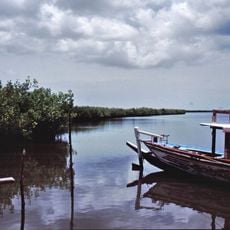
Visitors reach the island by boat from Banjul, with tours often including stops at other historical sites along the river's northern bank. The dry season offers the most comfortable conditions for river travel to these remote locations.
The Six-Gun Battery's six 24-pounder guns, finished in 1821, could not actually reach the opposite bank, so Fort Bullen was built across the river in 1827 to cover the gap. The battery stands inside the grounds of the State House in Banjul and cannot be approached without permission.
The community of curious travelers
AroundUs brings together thousands of curated places, local tips, and hidden gems, enriched daily by 93,583 contributors worldwide.