See the monuments around you in AROpen chests in the app
Around Us is built for your phone — point your camera at the streets and discover the monuments and places around you in augmented reality.Around Us is built for your phone — chests unlock when you walk, explore and capture nearby places.
Gambia : national parks, Atlantic beaches, colonial history and natural reserves
Gambia has many different kinds of landscapes and experiences. Along the Atlantic coast, you will find beaches where it is nice to relax. Inside the country, the Gambia River creates a natural corridor with islands along its path. These areas are good for watching local animals, like birds and crocodiles, in their natural homes.
People interested in history will find sites that tell about the country's past. Some old forts from the colonial times still stand in a few places. Large stone circles show that people have lived here for a long time. In Banjul and nearby villages like Bakau, markets are full of fresh fish and handmade crafts. Museums and private collections keep alive the stories and traditions of the Gambian people.
National parks and protected areas are good places to see nature up close. You can look for the special crocodiles at Kachikally, walk through the cultural forest of Makasutu, or visit the Gambia River National Park. Each spot shows a different side of Gambia, whether it is nature, history, or culture.
Gambia : national parks, Atlantic beaches, colonial history and natural reserves
Gambia has many different kinds of landscapes and experiences. Along the Atlantic coast, you will find beaches where it is nice to relax. Inside the country, the Gambia River creates a natural corridor with islands along its path. These areas are good for watching local animals, like birds and crocodiles, in their natural homes.
People interested in history will find sites that tell about the country's past. Some old forts from the colonial times still stand in a few places. Large stone circles show that people have lived here for a long time. In Banjul and nearby villages like Bakau, markets are full of fresh fish and handmade crafts. Museums and private collections keep alive the stories and traditions of the Gambian people.
National parks and protected areas are good places to see nature up close. You can look for the special crocodiles at Kachikally, walk through the cultural forest of Makasutu, or visit the Gambia River National Park. Each spot shows a different side of Gambia, whether it is nature, history, or culture.
The fish market of Bakau is a working marketplace on the Gambian coast where fishermen bring their daily catch to sell directly to customers. This market sits at the heart of village life in this coastal settlement and shows how local people rely on the sea. Fresh fish arrive from boats throughout the day, and you can see the variety of seafood caught in Gambian waters. The place reflects the traditions and economic importance of fishing for the region.
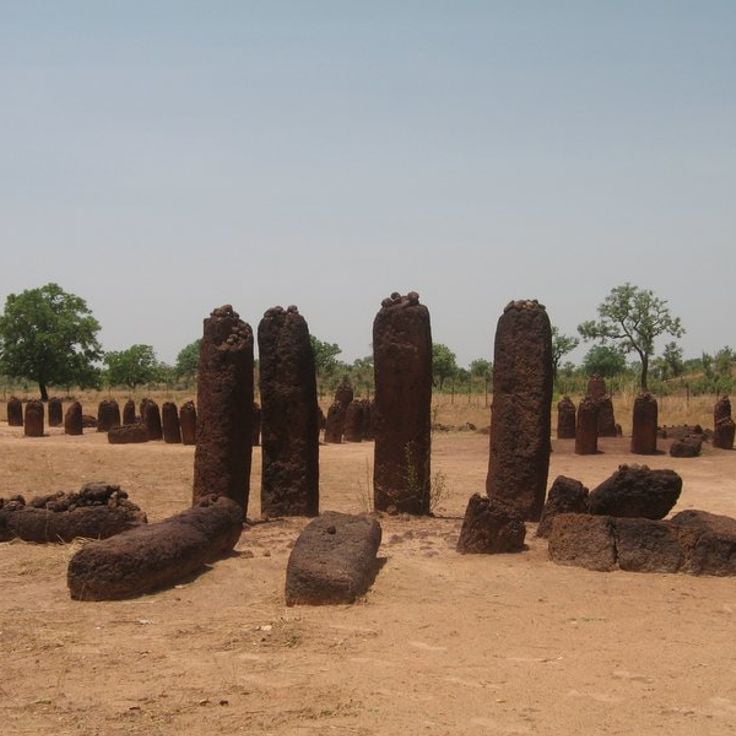
The Senegambian Megalithic Circles are prehistoric burial monuments scattered across the landscape. These stone circles consist of upright blocks arranged in regular patterns. They date from a period spanning from the third century before Christ to the sixteenth century after. These monuments show that people in this region had established societies long ago. Archaeologists continue to study these stones to learn more about the culture and customs of the past. The circular and stone monuments are spread across the region and rank among the oldest structures in West Africa.
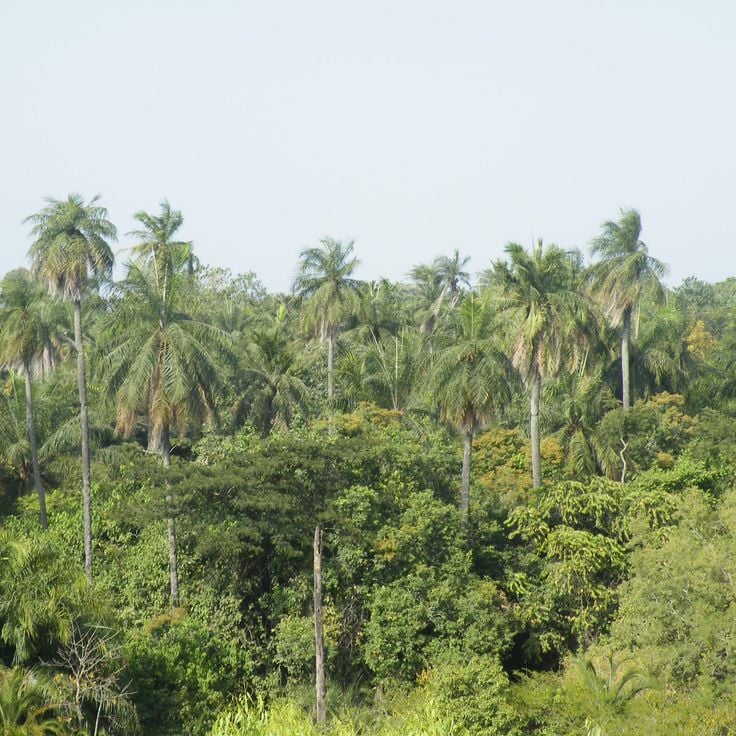
The Makasutu Cultural Forest sits along the Mandina River and connects Gambians with their traditional heritage. This forest combines mangroves, savanna, and palm trees in a single landscape. Visitors can watch traditional activities taking place and learn how local people use the land. The forest shows the relationship between people and nature in this region.
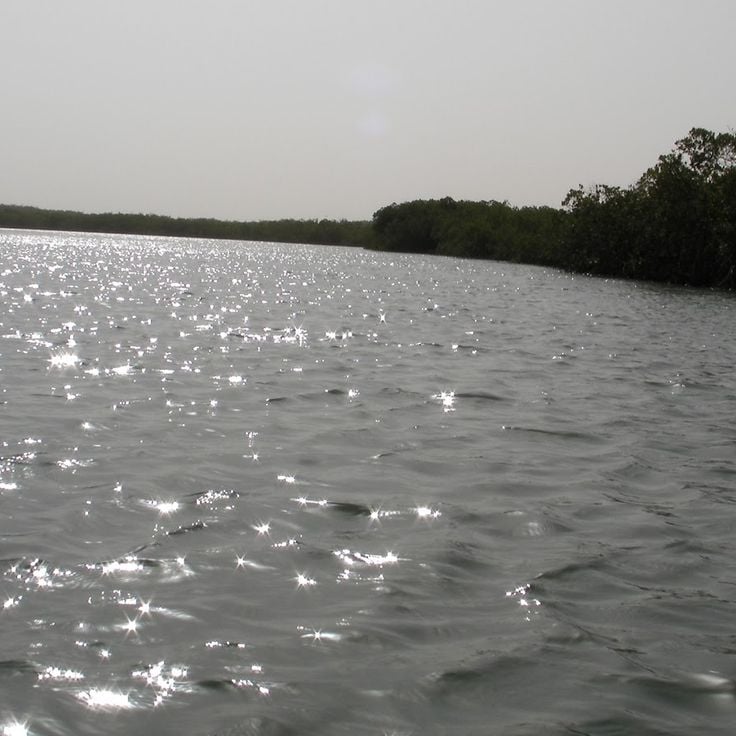
The Gambia River National Park is a nature reserve in central Gambia that protects the landscape around the Gambia River. Hippos, several monkey species, and numerous birds make their home here. Visitors can observe wildlife in their natural surroundings. Boat trips along the river offer chances to spot animals and experience the park's natural diversity.
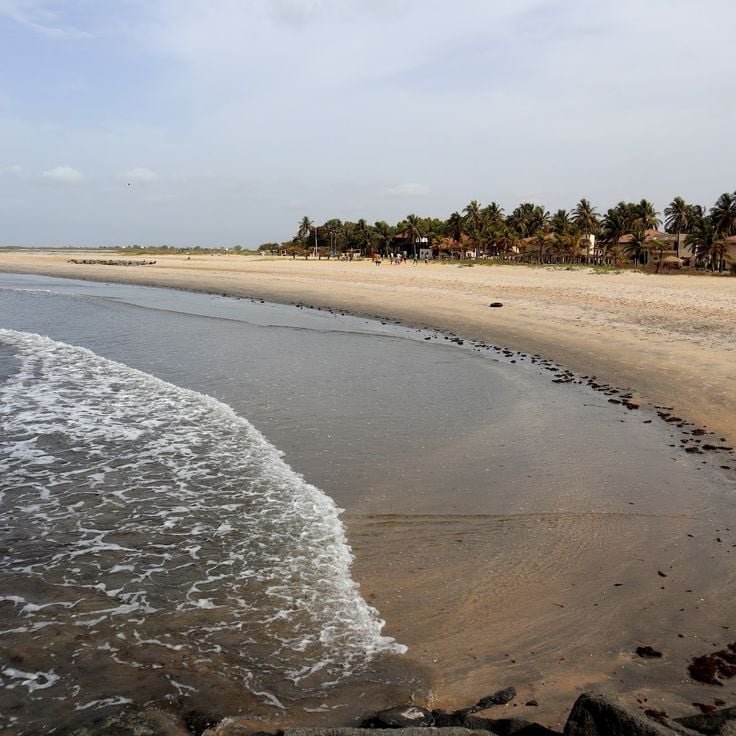
Kotu Beach stretches along the Atlantic coast with soft sand for swimming and walking. Restaurants and shops line the shore, creating a place where locals and visitors gather. The beach offers a space to enjoy the ocean breeze and watch the daily rhythm of coastal life while taking in the sea views.
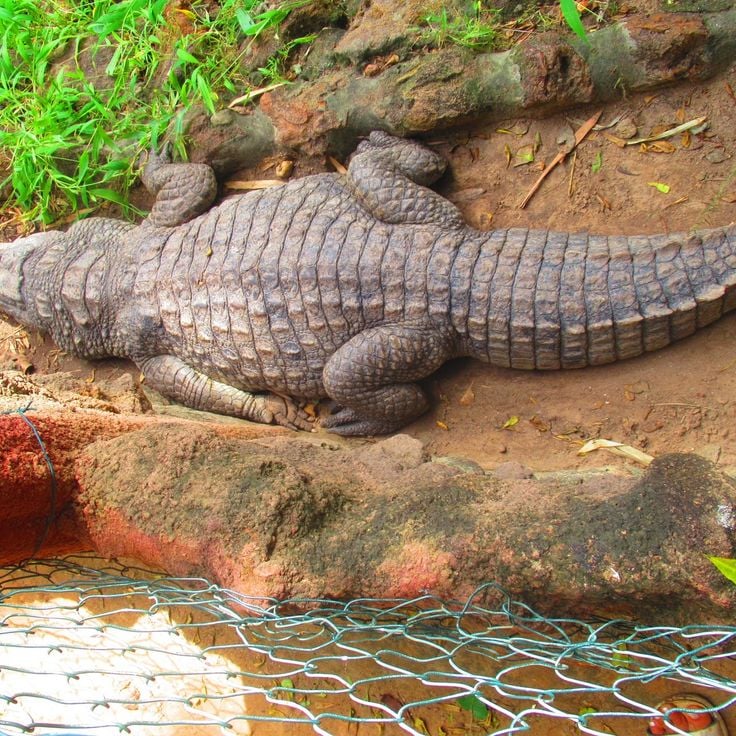
The Kachikally crocodile basin in Bakau is a sacred place for local people where Nile crocodiles live in a semi-wild setting. Visitors can see these animals up close and learn about their importance in local culture. A small museum on the grounds displays objects and information about Gambian traditions and the daily life of people in the region.
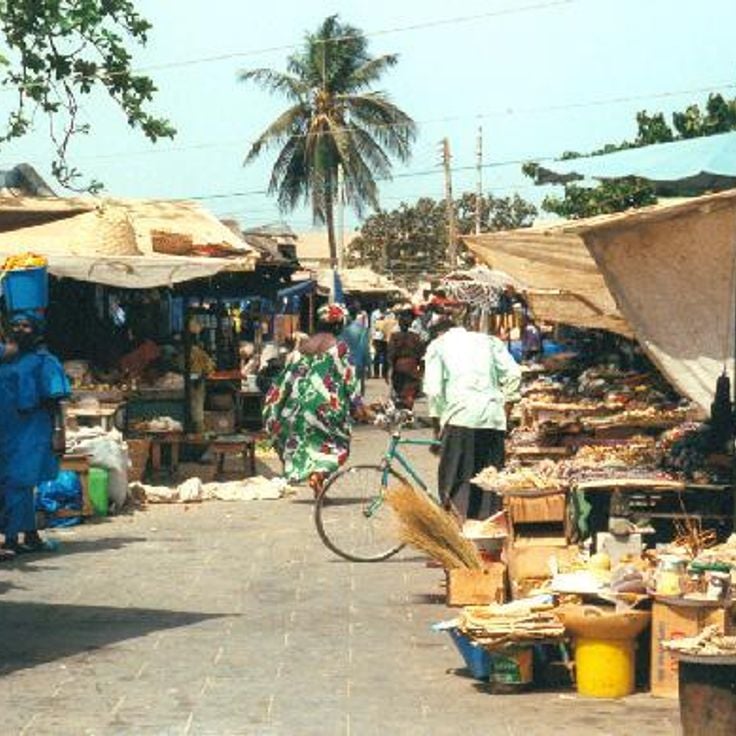
Marché Albert is a covered market in central Banjul where merchants sell fresh produce, spices, fabrics and local crafts. This place shows how the city lives day to day. The air fills with the smell of fish, fruits and spices. The narrow corridors are full of activity. You can find everything people need for daily life. The market is a good place to discover local products and meet the people of Banjul.
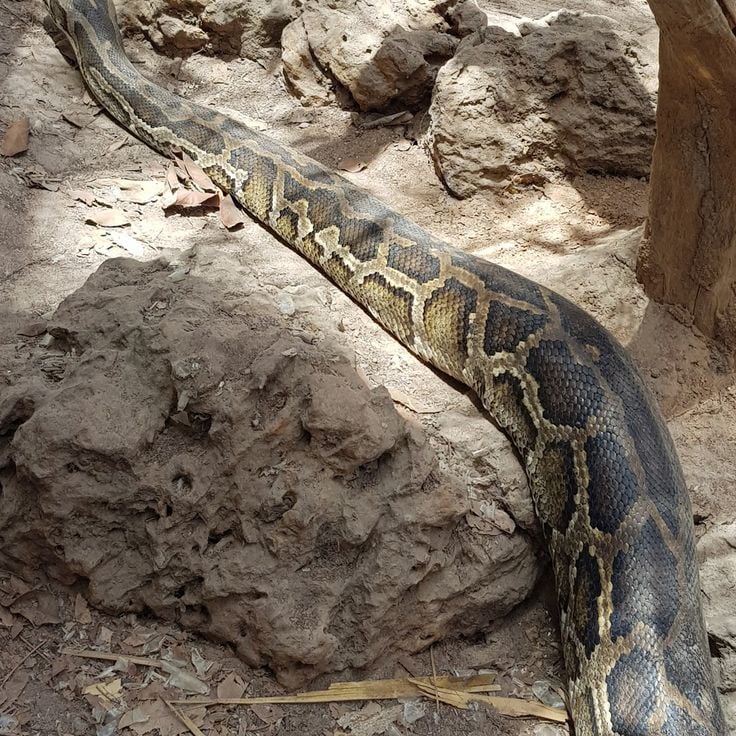
The Gambia Reptile Farm is a conservation and education facility that keeps native snakes, crocodiles, and other reptiles in naturalistic enclosures. The facility supports scientific research and teaches visitors about the reptile species found in the region. It demonstrates how these animals live in their natural settings and the roles they play in the local ecosystem.
Kunta Kinteh Island is a place of deep historical importance on the Gambia River. The island was once a European trading post during colonial times. Today it stands as a memorial to the slave trade and to the people who were taken from this location. Visitors can see the remains of colonial fortifications and learn about this difficult chapter of history. UNESCO has recognized this site as a World Heritage location because it tells an essential story about the past.
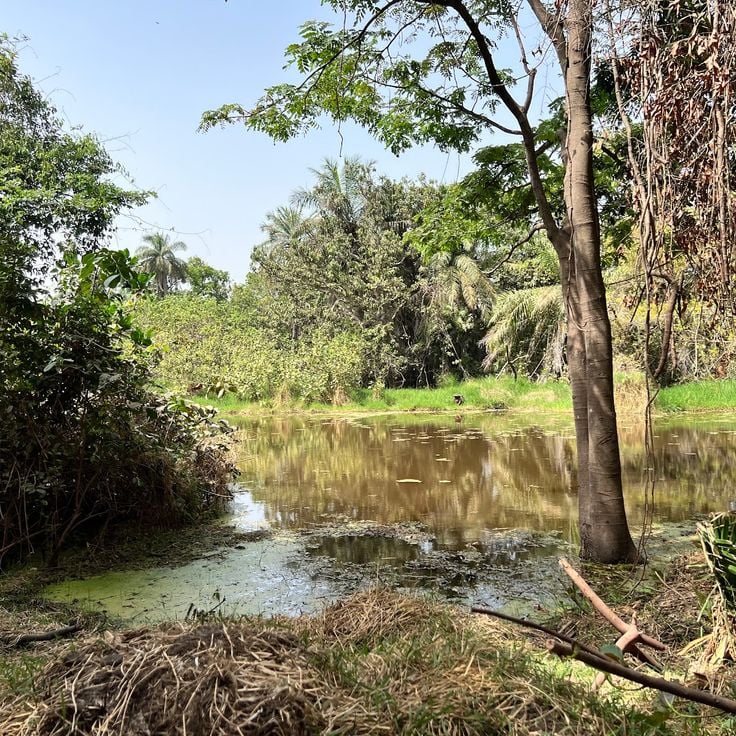
Abuko Nature Reserve is a protected space where monkeys, crocodiles, and many bird species live in their natural surroundings. Visitors can observe local wildlife and experience Gambian nature up close. Forests and waterways create habitats for numerous animals that visitors can encounter while walking through the reserve.
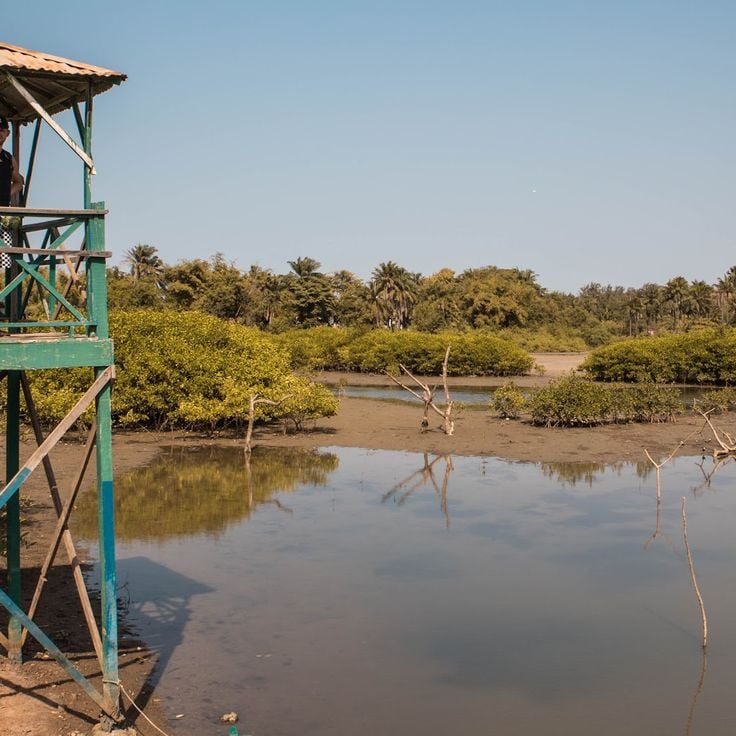
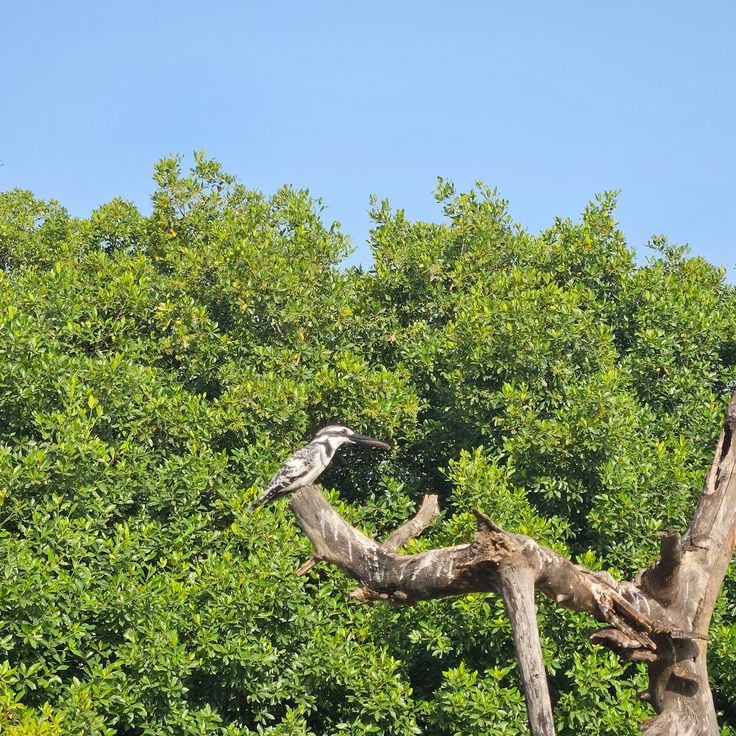
Kotu Bridge is an observation point on a river where many water bird species gather, including herons and kingfishers. This location lets visitors watch the local bird life in its natural setting and experience the natural spaces that make up Gambia's landscape.
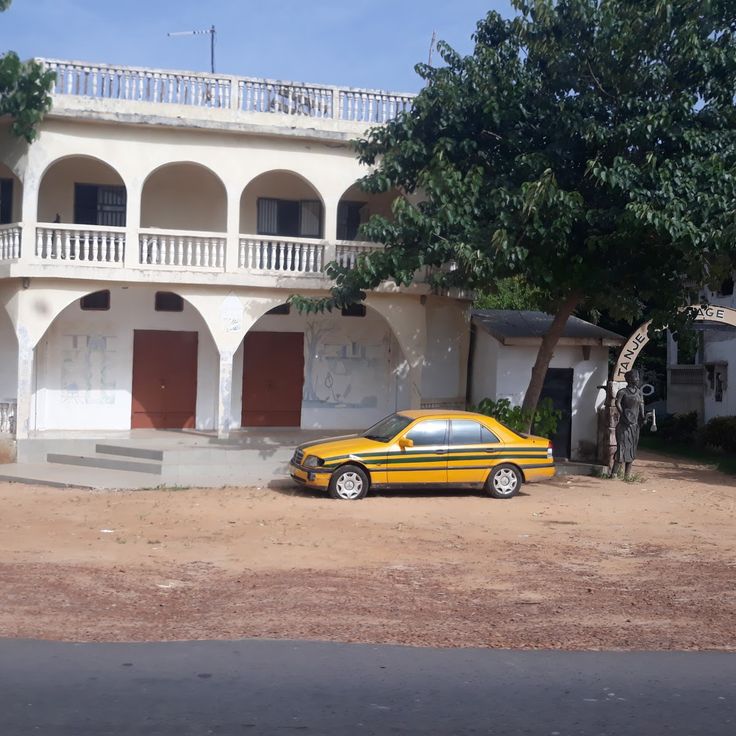
The Tanje village museum displays traditional objects, musical instruments, and exhibitions about the customs of Gambia's local communities. This cultural center allows visitors to learn about the craftsmanship and daily life of Gambian communities. The museum's collection gives a sense of how people in this region have preserved and passed down their traditions.
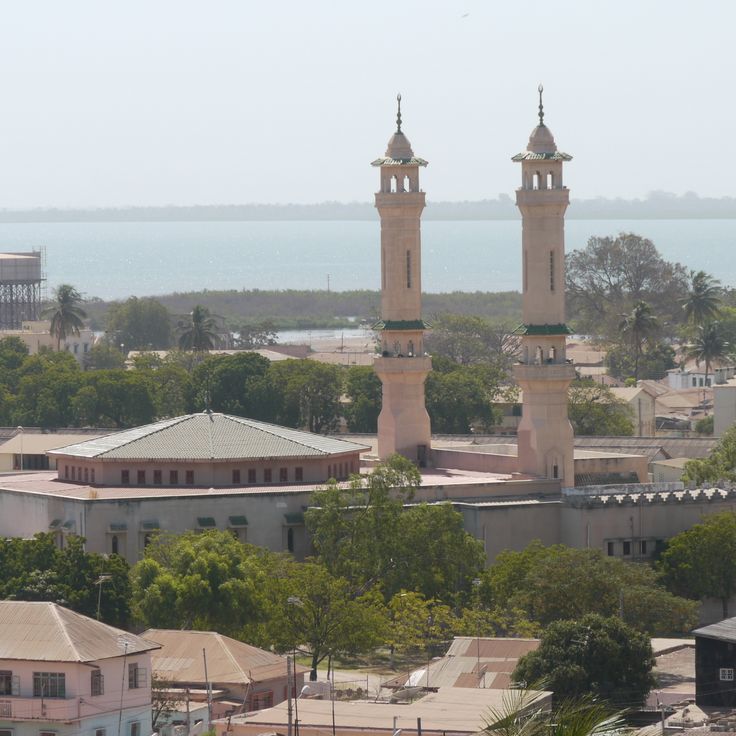
This mosque in Banjul is a major religious center for the city. Built in 1988, it stands out with its white minarets rising above the skyline. The building can accommodate thousands of worshippers and serves as an important gathering place for the Muslim community. The architecture reflects the importance of Islamic faith in Gambia's capital.
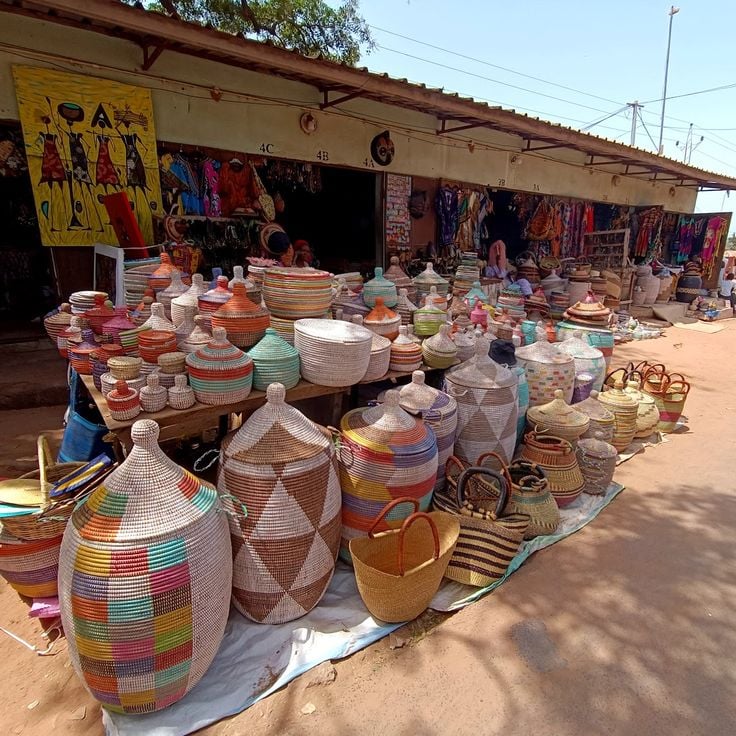
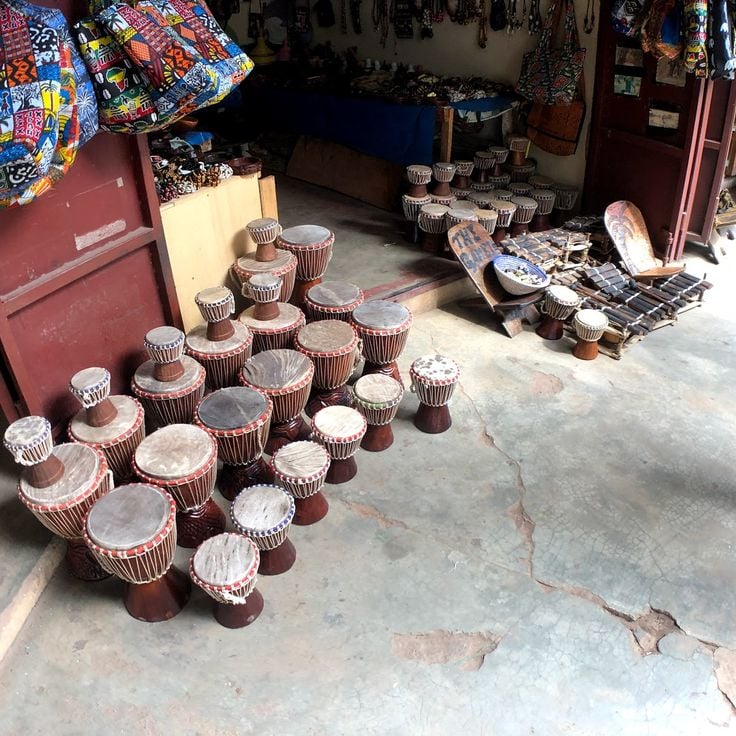
Brikama Market is the largest craft market in Gambia. Local artisans here sell masks, wooden sculptures, fabrics, and traditional musical instruments. The market shows the creative skill of Gambian artists and gives visitors a chance to find authentic handmade pieces. The activity on the market reflects daily life, where craftsmanship and trade come together.
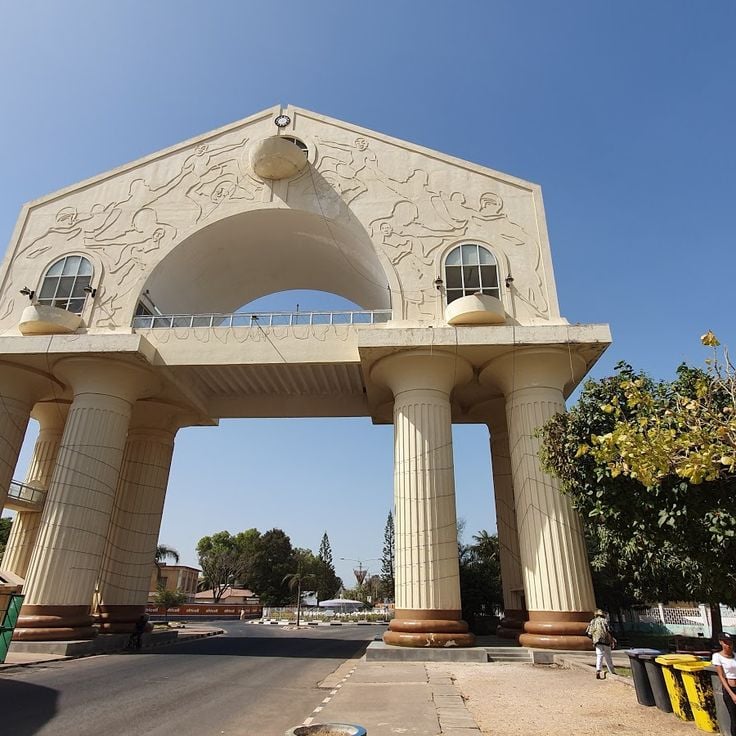
The Arche 22 monument stands in Banjul at 35 meters tall. Built in 1996, it marks the military coup of July 22, 1994. Inside the structure, a textile museum displays the work and traditions of Gambian weavers and craftspeople. Visitors can climb through the building and learn about the country's history through the fabrics on display.
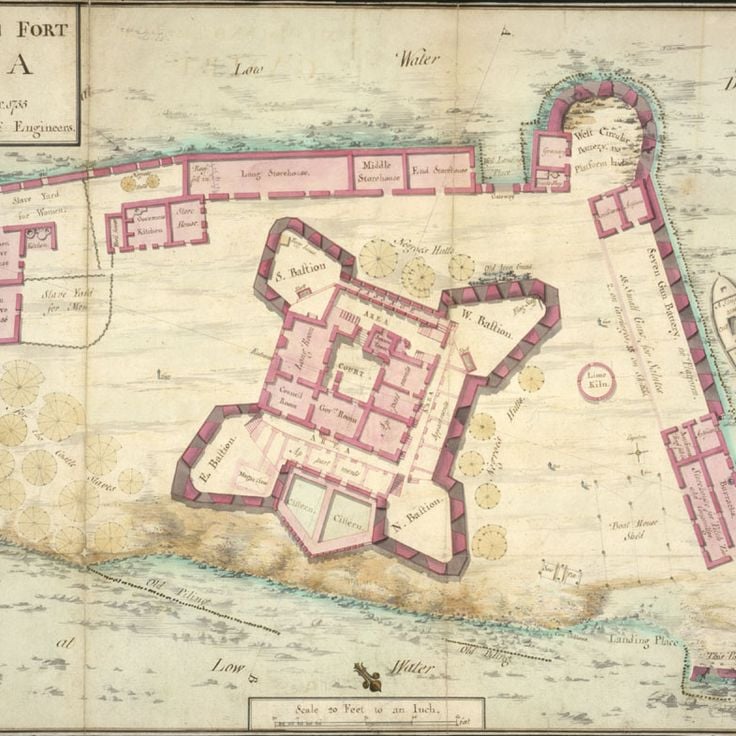
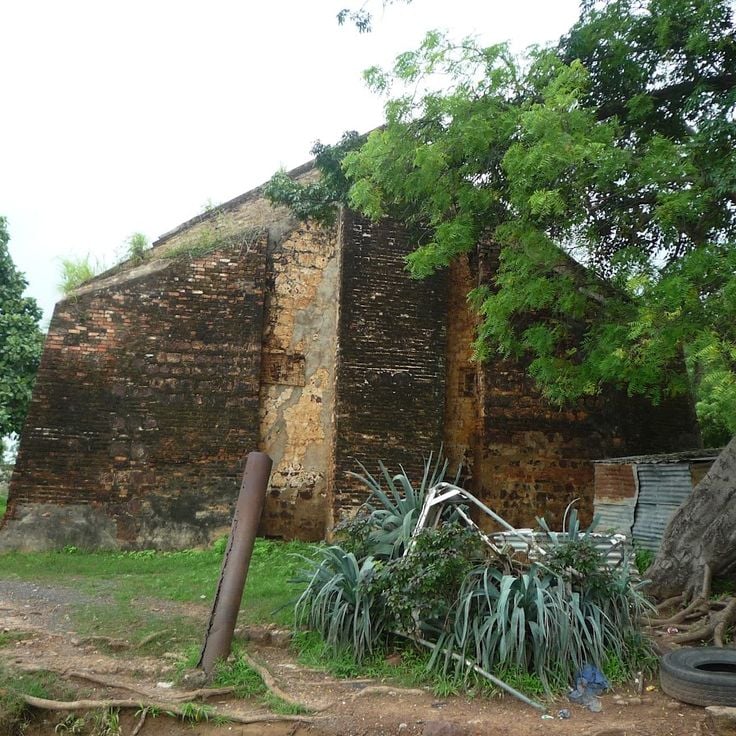
Fort James is a colonial fortification built in the 17th century on an island in the Gambia River. It served as a control point for maritime trade and the slave trade, reflecting a dark chapter in West African history. Today, visitors can explore the remains and learn more about the country's past.
Kiang West National Park is a large protected area in The Gambia that protects different types of landscapes. Mangrove forests, savannas, and woodlands create varied habitats within its boundaries. Antilopes and hyenas roam the park, and over 300 bird species live here or pass through during migration. The park shows the natural diversity of The Gambia and offers visitors chances to watch wildlife in their natural settings.
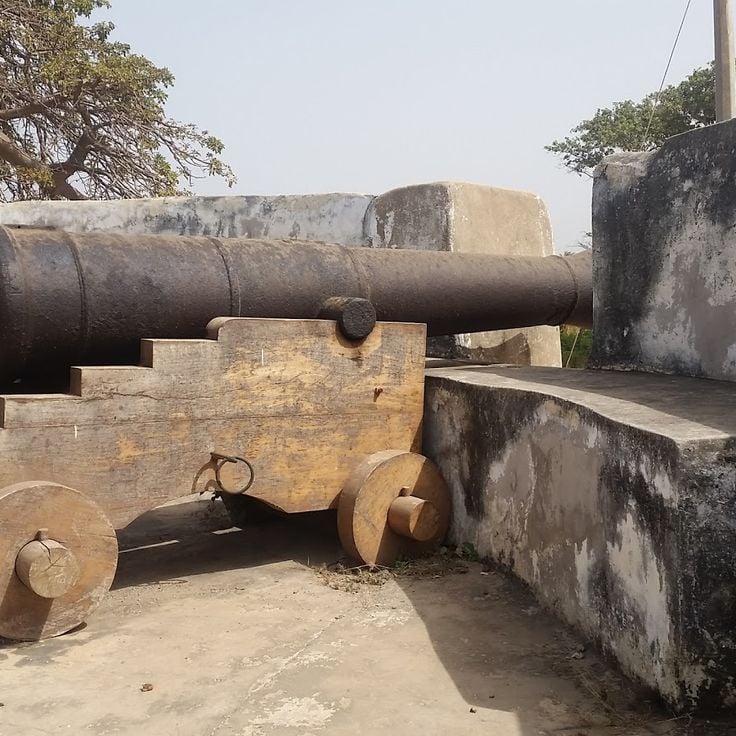
Fort Bullen is a military structure built in 1826 on the northern bank of the Gambia River. The British constructed this fortification to watch over river trade and put a stop to the slave trade. Standing here, you see thick walls and cannons positioned to command the waterway. The fort tells the story of a period when controlling this river was crucial to the country. Walking through its spaces gives you a sense of how colonial powers operated and what resistance to slavery looked like in that era.
Janjanbureh is a historic town located on an island in the Gambia River in central Gambia. It served as an administrative center for the slave trade during the 19th century. The town's buildings and layout reflect its colonial past. Walking through Janjanbureh allows visitors to experience this important but difficult period of history and understand its impact on the region.
The Tanji Bird Sanctuary is a protected natural area established in 1993 to safeguard seabirds and coastal bird species along Gambia's coast. The reserve includes mangrove zones and beaches where migratory birds rest and breed. Visitors can observe herons, fish eagles, and many other bird species that make their home in this coastal habitat. The mangrove forests filter water and provide shelter for young fish. This sanctuary shows why these ecosystems matter for wildlife survival.
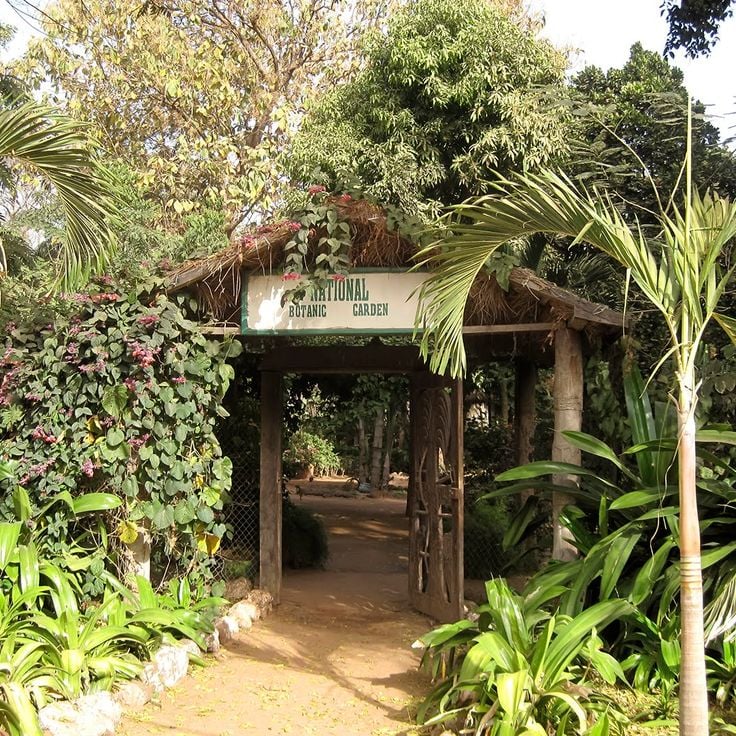
The Bakau Botanical Gardens were created in 1924 to study and preserve the local plant life. These gardens display a large collection of palms, ferns, and native fruit trees. Walking through the gardens, you can see how the region's plants grow and learn why they matter to local people. The peaceful setting makes this a good place to relax while discovering the natural vegetation of the area.
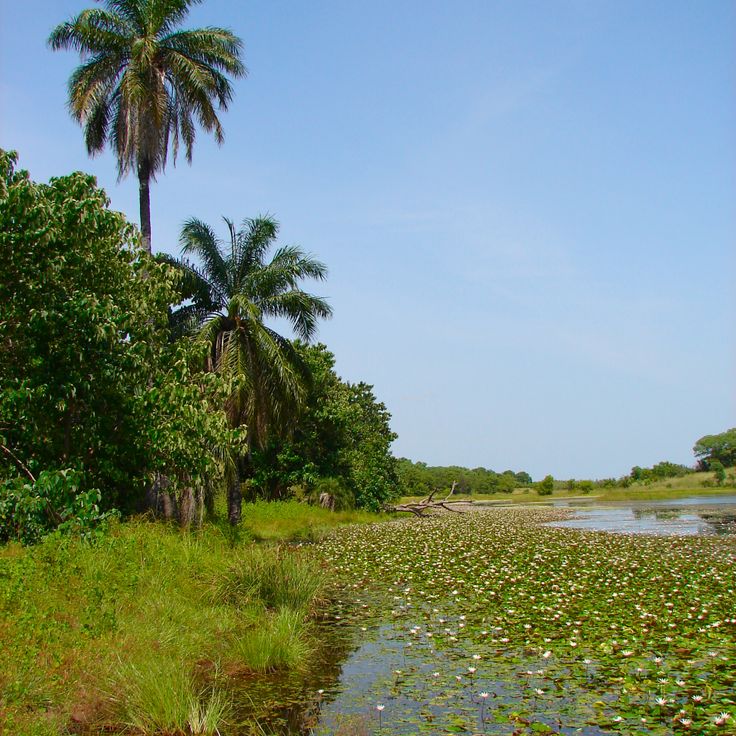
This island sits in the Gambia River and stretches across several kilometers. Forests and grasslands cover the island, providing habitat for various animals. Visitors can watch monkeys and birds in their natural surroundings. The island is part of the natural landscapes that define Gambia and show how nature flourishes along the river.
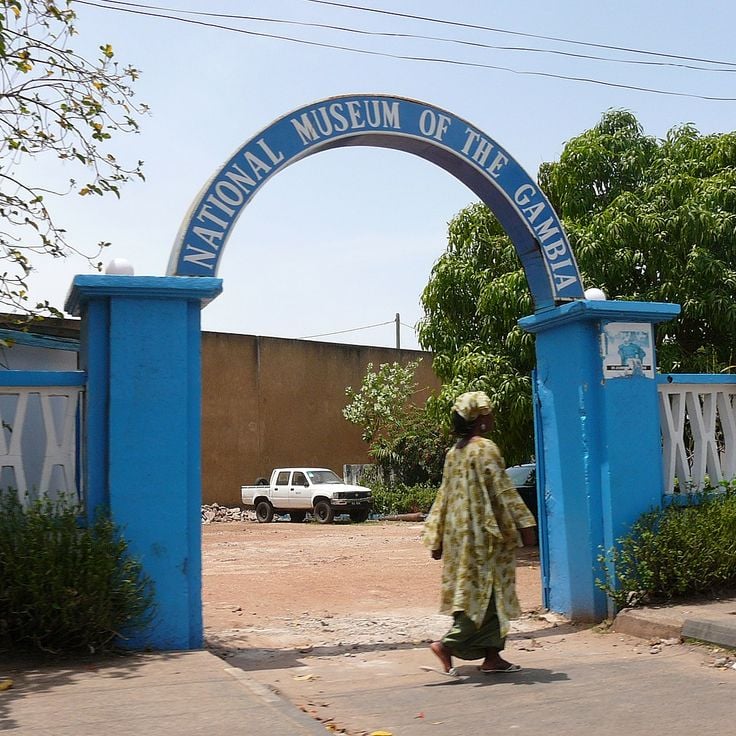
The National Museum of Gambia in Banjul displays traditional objects, musical instruments, and documents that show how Gambian society has developed from ancient times to the present. The collections help visitors understand the history and culture of the country. Different rooms focus on different periods and aspects of life in Gambia. The exhibits reveal local craftsmanship, religious practices, and the daily lives of the people who live here.
Bakau Beach is a wide strip of white sand along the Atlantic Ocean. Coconut palms line the shore, and restaurants dot the waterfront. Each morning, fishermen bring in their catch. The beach is an active place where locals and visitors gather. The sea changes color with the light, and the air carries the smell of salt and fresh fish.
The Farafenni Falls form where the Gambia River flows over several rock steps. Water cascades down in a series of drops across natural stone formations, creating a constant rush of sound and spray. These waterfalls mark an important point along the river corridor that runs through Gambia's interior and provides a habitat for local wildlife. The site shows the power of nature in this region and is part of the natural variety that defines Gambia.
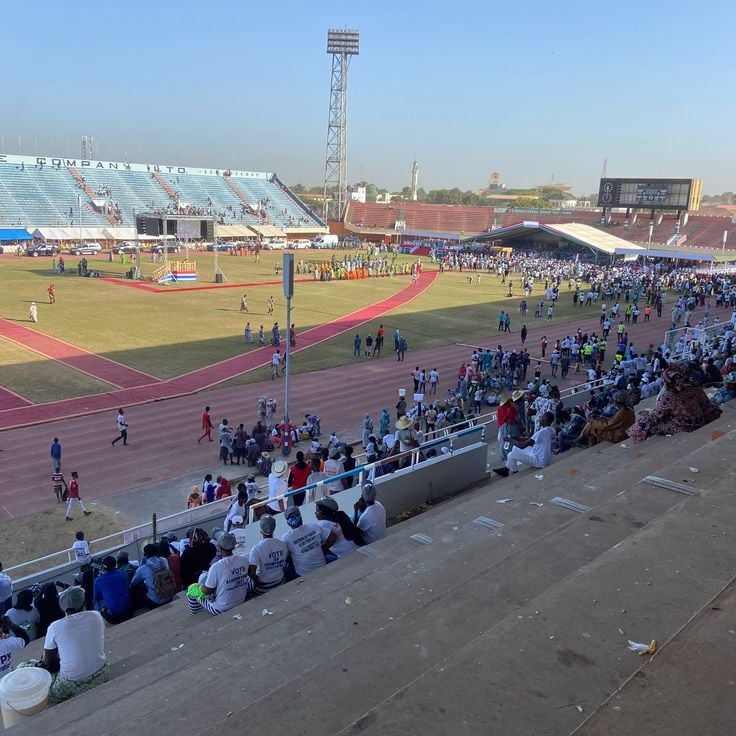
The Bakau Stadium is a football venue that brings together locals and visitors for matches. Located in this coastal village, it serves as a gathering place where the community comes to watch games and support their teams. On match days, the stadium fills with energy and excitement as fans cheer for their favorite players. This facility reflects how sports play a role in daily life here.
The fish market of Bakau is a working marketplace on the Gambian coast where fishermen bring their daily catch to sell directly to customers. This market sits at the heart of village life in this coastal settlement and shows how local people rely on the sea. Fresh fish arrive from boats throughout the day, and you can see the variety of seafood caught in Gambian waters. The place reflects the traditions and economic importance of fishing for the region.
The Senegambian Megalithic Circles are prehistoric burial monuments scattered across the landscape. These stone circles consist of upright blocks arranged in regular patterns. They date from a period spanning from the third century before Christ to the sixteenth century after. These monuments show that people in this region had established societies long ago. Archaeologists continue to study these stones to learn more about the culture and customs of the past. The circular and stone monuments are spread across the region and rank among the oldest structures in West Africa.
The Makasutu Cultural Forest sits along the Mandina River and connects Gambians with their traditional heritage. This forest combines mangroves, savanna, and palm trees in a single landscape. Visitors can watch traditional activities taking place and learn how local people use the land. The forest shows the relationship between people and nature in this region.
The Gambia River National Park is a nature reserve in central Gambia that protects the landscape around the Gambia River. Hippos, several monkey species, and numerous birds make their home here. Visitors can observe wildlife in their natural surroundings. Boat trips along the river offer chances to spot animals and experience the park's natural diversity.
Kotu Beach stretches along the Atlantic coast with soft sand for swimming and walking. Restaurants and shops line the shore, creating a place where locals and visitors gather. The beach offers a space to enjoy the ocean breeze and watch the daily rhythm of coastal life while taking in the sea views.
The Kachikally crocodile basin in Bakau is a sacred place for local people where Nile crocodiles live in a semi-wild setting. Visitors can see these animals up close and learn about their importance in local culture. A small museum on the grounds displays objects and information about Gambian traditions and the daily life of people in the region.
Marché Albert is a covered market in central Banjul where merchants sell fresh produce, spices, fabrics and local crafts. This place shows how the city lives day to day. The air fills with the smell of fish, fruits and spices. The narrow corridors are full of activity. You can find everything people need for daily life. The market is a good place to discover local products and meet the people of Banjul.
The Gambia Reptile Farm is a conservation and education facility that keeps native snakes, crocodiles, and other reptiles in naturalistic enclosures. The facility supports scientific research and teaches visitors about the reptile species found in the region. It demonstrates how these animals live in their natural settings and the roles they play in the local ecosystem.
Kunta Kinteh Island is a place of deep historical importance on the Gambia River. The island was once a European trading post during colonial times. Today it stands as a memorial to the slave trade and to the people who were taken from this location. Visitors can see the remains of colonial fortifications and learn about this difficult chapter of history. UNESCO has recognized this site as a World Heritage location because it tells an essential story about the past.
Abuko Nature Reserve is a protected space where monkeys, crocodiles, and many bird species live in their natural surroundings. Visitors can observe local wildlife and experience Gambian nature up close. Forests and waterways create habitats for numerous animals that visitors can encounter while walking through the reserve.
Kotu Bridge is an observation point on a river where many water bird species gather, including herons and kingfishers. This location lets visitors watch the local bird life in its natural setting and experience the natural spaces that make up Gambia's landscape.
The Tanje village museum displays traditional objects, musical instruments, and exhibitions about the customs of Gambia's local communities. This cultural center allows visitors to learn about the craftsmanship and daily life of Gambian communities. The museum's collection gives a sense of how people in this region have preserved and passed down their traditions.
This mosque in Banjul is a major religious center for the city. Built in 1988, it stands out with its white minarets rising above the skyline. The building can accommodate thousands of worshippers and serves as an important gathering place for the Muslim community. The architecture reflects the importance of Islamic faith in Gambia's capital.
Brikama Market is the largest craft market in Gambia. Local artisans here sell masks, wooden sculptures, fabrics, and traditional musical instruments. The market shows the creative skill of Gambian artists and gives visitors a chance to find authentic handmade pieces. The activity on the market reflects daily life, where craftsmanship and trade come together.
The Arche 22 monument stands in Banjul at 35 meters tall. Built in 1996, it marks the military coup of July 22, 1994. Inside the structure, a textile museum displays the work and traditions of Gambian weavers and craftspeople. Visitors can climb through the building and learn about the country's history through the fabrics on display.
Fort James is a colonial fortification built in the 17th century on an island in the Gambia River. It served as a control point for maritime trade and the slave trade, reflecting a dark chapter in West African history. Today, visitors can explore the remains and learn more about the country's past.
Kiang West National Park is a large protected area in The Gambia that protects different types of landscapes. Mangrove forests, savannas, and woodlands create varied habitats within its boundaries. Antilopes and hyenas roam the park, and over 300 bird species live here or pass through during migration. The park shows the natural diversity of The Gambia and offers visitors chances to watch wildlife in their natural settings.
Fort Bullen is a military structure built in 1826 on the northern bank of the Gambia River. The British constructed this fortification to watch over river trade and put a stop to the slave trade. Standing here, you see thick walls and cannons positioned to command the waterway. The fort tells the story of a period when controlling this river was crucial to the country. Walking through its spaces gives you a sense of how colonial powers operated and what resistance to slavery looked like in that era.
Janjanbureh is a historic town located on an island in the Gambia River in central Gambia. It served as an administrative center for the slave trade during the 19th century. The town's buildings and layout reflect its colonial past. Walking through Janjanbureh allows visitors to experience this important but difficult period of history and understand its impact on the region.
The Tanji Bird Sanctuary is a protected natural area established in 1993 to safeguard seabirds and coastal bird species along Gambia's coast. The reserve includes mangrove zones and beaches where migratory birds rest and breed. Visitors can observe herons, fish eagles, and many other bird species that make their home in this coastal habitat. The mangrove forests filter water and provide shelter for young fish. This sanctuary shows why these ecosystems matter for wildlife survival.
The Bakau Botanical Gardens were created in 1924 to study and preserve the local plant life. These gardens display a large collection of palms, ferns, and native fruit trees. Walking through the gardens, you can see how the region's plants grow and learn why they matter to local people. The peaceful setting makes this a good place to relax while discovering the natural vegetation of the area.
This island sits in the Gambia River and stretches across several kilometers. Forests and grasslands cover the island, providing habitat for various animals. Visitors can watch monkeys and birds in their natural surroundings. The island is part of the natural landscapes that define Gambia and show how nature flourishes along the river.
The National Museum of Gambia in Banjul displays traditional objects, musical instruments, and documents that show how Gambian society has developed from ancient times to the present. The collections help visitors understand the history and culture of the country. Different rooms focus on different periods and aspects of life in Gambia. The exhibits reveal local craftsmanship, religious practices, and the daily lives of the people who live here.
Bakau Beach is a wide strip of white sand along the Atlantic Ocean. Coconut palms line the shore, and restaurants dot the waterfront. Each morning, fishermen bring in their catch. The beach is an active place where locals and visitors gather. The sea changes color with the light, and the air carries the smell of salt and fresh fish.
The Farafenni Falls form where the Gambia River flows over several rock steps. Water cascades down in a series of drops across natural stone formations, creating a constant rush of sound and spray. These waterfalls mark an important point along the river corridor that runs through Gambia's interior and provides a habitat for local wildlife. The site shows the power of nature in this region and is part of the natural variety that defines Gambia.
The Bakau Stadium is a football venue that brings together locals and visitors for matches. Located in this coastal village, it serves as a gathering place where the community comes to watch games and support their teams. On match days, the stadium fills with energy and excitement as fans cheer for their favorite players. This facility reflects how sports play a role in daily life here.
The fish market of Bakau is a working marketplace on the Gambian coast where fishermen bring their daily catch to sell directly to customers. This market sits at the heart of village life in this coastal settlement and shows how local people rely on the sea. Fresh fish arrive from boats throughout the day, and you can see the variety of seafood caught in Gambian waters. The place reflects the traditions and economic importance of fishing for the region.
The Senegambian Megalithic Circles are prehistoric burial monuments scattered across the landscape. These stone circles consist of upright blocks arranged in regular patterns. They date from a period spanning from the third century before Christ to the sixteenth century after. These monuments show that people in this region had established societies long ago. Archaeologists continue to study these stones to learn more about the culture and customs of the past. The circular and stone monuments are spread across the region and rank among the oldest structures in West Africa.
The Makasutu Cultural Forest sits along the Mandina River and connects Gambians with their traditional heritage. This forest combines mangroves, savanna, and palm trees in a single landscape. Visitors can watch traditional activities taking place and learn how local people use the land. The forest shows the relationship between people and nature in this region.
The Gambia River National Park is a nature reserve in central Gambia that protects the landscape around the Gambia River. Hippos, several monkey species, and numerous birds make their home here. Visitors can observe wildlife in their natural surroundings. Boat trips along the river offer chances to spot animals and experience the park's natural diversity.
Kotu Beach stretches along the Atlantic coast with soft sand for swimming and walking. Restaurants and shops line the shore, creating a place where locals and visitors gather. The beach offers a space to enjoy the ocean breeze and watch the daily rhythm of coastal life while taking in the sea views.
The Kachikally crocodile basin in Bakau is a sacred place for local people where Nile crocodiles live in a semi-wild setting. Visitors can see these animals up close and learn about their importance in local culture. A small museum on the grounds displays objects and information about Gambian traditions and the daily life of people in the region.
Marché Albert is a covered market in central Banjul where merchants sell fresh produce, spices, fabrics and local crafts. This place shows how the city lives day to day. The air fills with the smell of fish, fruits and spices. The narrow corridors are full of activity. You can find everything people need for daily life. The market is a good place to discover local products and meet the people of Banjul.
The Gambia Reptile Farm is a conservation and education facility that keeps native snakes, crocodiles, and other reptiles in naturalistic enclosures. The facility supports scientific research and teaches visitors about the reptile species found in the region. It demonstrates how these animals live in their natural settings and the roles they play in the local ecosystem.
Kunta Kinteh Island is a place of deep historical importance on the Gambia River. The island was once a European trading post during colonial times. Today it stands as a memorial to the slave trade and to the people who were taken from this location. Visitors can see the remains of colonial fortifications and learn about this difficult chapter of history. UNESCO has recognized this site as a World Heritage location because it tells an essential story about the past.
Abuko Nature Reserve is a protected space where monkeys, crocodiles, and many bird species live in their natural surroundings. Visitors can observe local wildlife and experience Gambian nature up close. Forests and waterways create habitats for numerous animals that visitors can encounter while walking through the reserve.
Kotu Bridge is an observation point on a river where many water bird species gather, including herons and kingfishers. This location lets visitors watch the local bird life in its natural setting and experience the natural spaces that make up Gambia's landscape.
The Tanje village museum displays traditional objects, musical instruments, and exhibitions about the customs of Gambia's local communities. This cultural center allows visitors to learn about the craftsmanship and daily life of Gambian communities. The museum's collection gives a sense of how people in this region have preserved and passed down their traditions.
This mosque in Banjul is a major religious center for the city. Built in 1988, it stands out with its white minarets rising above the skyline. The building can accommodate thousands of worshippers and serves as an important gathering place for the Muslim community. The architecture reflects the importance of Islamic faith in Gambia's capital.
Brikama Market is the largest craft market in Gambia. Local artisans here sell masks, wooden sculptures, fabrics, and traditional musical instruments. The market shows the creative skill of Gambian artists and gives visitors a chance to find authentic handmade pieces. The activity on the market reflects daily life, where craftsmanship and trade come together.
The Arche 22 monument stands in Banjul at 35 meters tall. Built in 1996, it marks the military coup of July 22, 1994. Inside the structure, a textile museum displays the work and traditions of Gambian weavers and craftspeople. Visitors can climb through the building and learn about the country's history through the fabrics on display.
Fort James is a colonial fortification built in the 17th century on an island in the Gambia River. It served as a control point for maritime trade and the slave trade, reflecting a dark chapter in West African history. Today, visitors can explore the remains and learn more about the country's past.
Kiang West National Park is a large protected area in The Gambia that protects different types of landscapes. Mangrove forests, savannas, and woodlands create varied habitats within its boundaries. Antilopes and hyenas roam the park, and over 300 bird species live here or pass through during migration. The park shows the natural diversity of The Gambia and offers visitors chances to watch wildlife in their natural settings.
Fort Bullen is a military structure built in 1826 on the northern bank of the Gambia River. The British constructed this fortification to watch over river trade and put a stop to the slave trade. Standing here, you see thick walls and cannons positioned to command the waterway. The fort tells the story of a period when controlling this river was crucial to the country. Walking through its spaces gives you a sense of how colonial powers operated and what resistance to slavery looked like in that era.
Janjanbureh is a historic town located on an island in the Gambia River in central Gambia. It served as an administrative center for the slave trade during the 19th century. The town's buildings and layout reflect its colonial past. Walking through Janjanbureh allows visitors to experience this important but difficult period of history and understand its impact on the region.
The Tanji Bird Sanctuary is a protected natural area established in 1993 to safeguard seabirds and coastal bird species along Gambia's coast. The reserve includes mangrove zones and beaches where migratory birds rest and breed. Visitors can observe herons, fish eagles, and many other bird species that make their home in this coastal habitat. The mangrove forests filter water and provide shelter for young fish. This sanctuary shows why these ecosystems matter for wildlife survival.
The Bakau Botanical Gardens were created in 1924 to study and preserve the local plant life. These gardens display a large collection of palms, ferns, and native fruit trees. Walking through the gardens, you can see how the region's plants grow and learn why they matter to local people. The peaceful setting makes this a good place to relax while discovering the natural vegetation of the area.
This island sits in the Gambia River and stretches across several kilometers. Forests and grasslands cover the island, providing habitat for various animals. Visitors can watch monkeys and birds in their natural surroundings. The island is part of the natural landscapes that define Gambia and show how nature flourishes along the river.
The National Museum of Gambia in Banjul displays traditional objects, musical instruments, and documents that show how Gambian society has developed from ancient times to the present. The collections help visitors understand the history and culture of the country. Different rooms focus on different periods and aspects of life in Gambia. The exhibits reveal local craftsmanship, religious practices, and the daily lives of the people who live here.
Bakau Beach is a wide strip of white sand along the Atlantic Ocean. Coconut palms line the shore, and restaurants dot the waterfront. Each morning, fishermen bring in their catch. The beach is an active place where locals and visitors gather. The sea changes color with the light, and the air carries the smell of salt and fresh fish.
The Farafenni Falls form where the Gambia River flows over several rock steps. Water cascades down in a series of drops across natural stone formations, creating a constant rush of sound and spray. These waterfalls mark an important point along the river corridor that runs through Gambia's interior and provides a habitat for local wildlife. The site shows the power of nature in this region and is part of the natural variety that defines Gambia.
The Bakau Stadium is a football venue that brings together locals and visitors for matches. Located in this coastal village, it serves as a gathering place where the community comes to watch games and support their teams. On match days, the stadium fills with energy and excitement as fans cheer for their favorite players. This facility reflects how sports play a role in daily life here.