Kiang West National Park, National park on the Gambia River, The Gambia
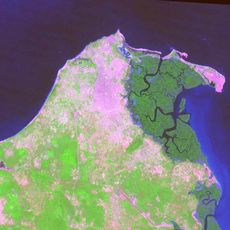
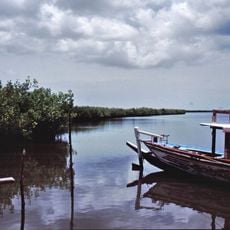
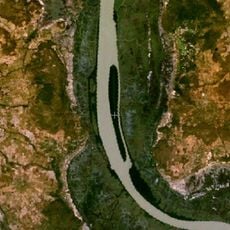
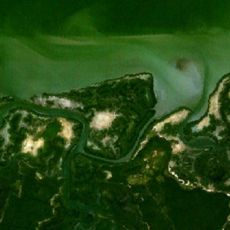
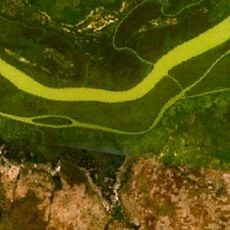
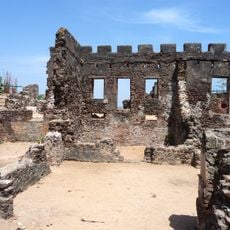
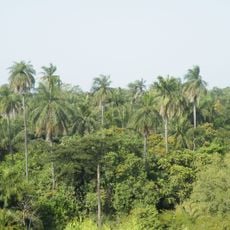
Kiang West National Park covers 11,526 hectares on the south bank of the Gambia River in Kiang West District, Lower River Division. Three bolons—the Jarin, Jali and Nganingkoi—cut the interior into three sections. Most of the park lies on a low plateau of Guinea savanna and dry deciduous woodland, with tidal flats and mangrove creeks along the river.
The park was established in 1987 by the Department of Parks and Wildlife Management to protect one of the country's largest wildlife populations. This designation became a significant step in securing the region's ecosystems for the long term.
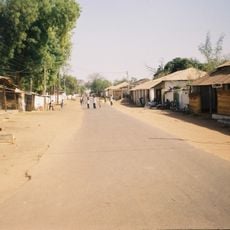
Local communities practice traditional livelihoods within the park, including small-scale agriculture and forest product gathering, which shape how the land is used and managed today. Visitors can observe these daily practices and see how people have long coexisted with the environment here.
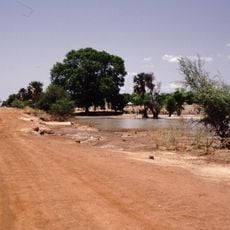
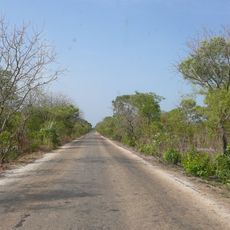
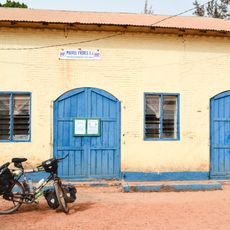
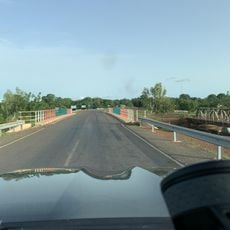
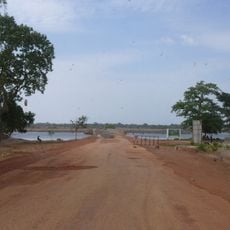
The park has three entrances and can be explored on foot or by car; the office is at Dumbuto, nearest the South Bank Road. November to January are the best months to visit. The road system inside the park is underdeveloped, and Tubabkollon Point, by a sandy beach on the Gambia River in the northeast, is a good place to watch wildlife.
The park holds more than 300 bird species, over half of all birds recorded in The Gambia, and BirdLife International designated it an Important Bird Area. Ten kingfisher species occur here, and the threatened brown-necked parrot breeds in the mangroves. The bateleur, the park's official symbol, hunts sandgrouse and pigeons and is most often seen from July to September.
The community of curious travelers
AroundUs brings together thousands of curated places, local tips, and hidden gems, enriched daily by 92,869 contributors worldwide.