Saint Lucia, Island nation in eastern Caribbean
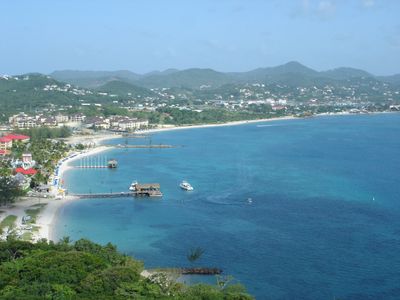
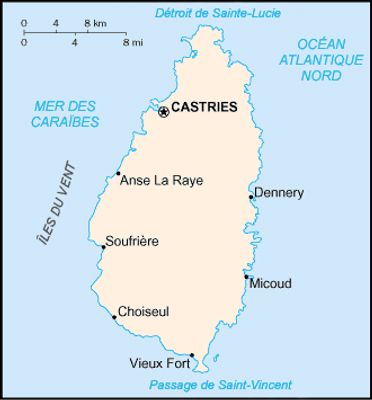
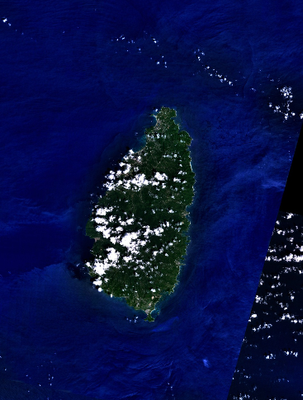
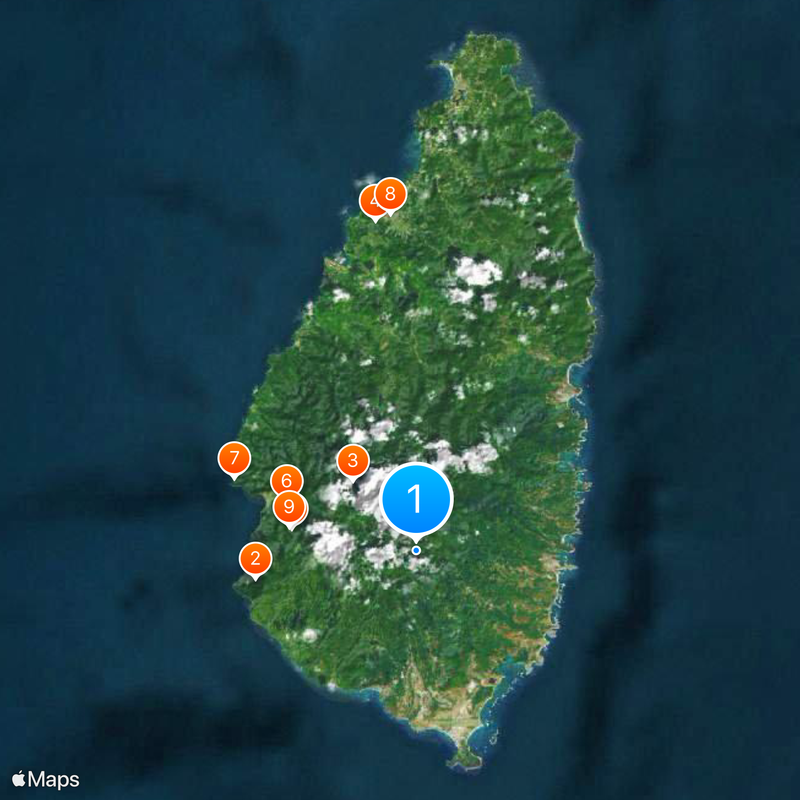
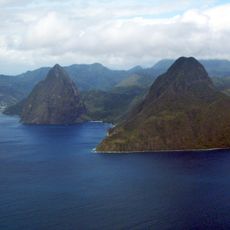
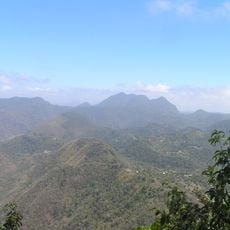
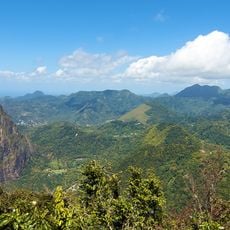
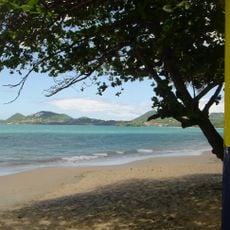
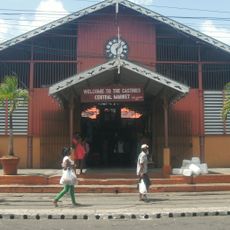
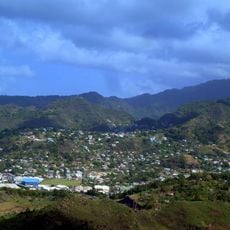
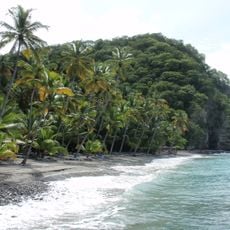
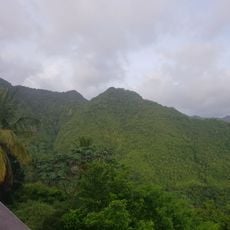
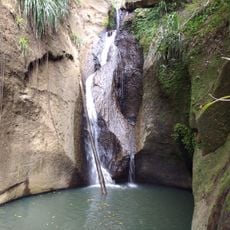
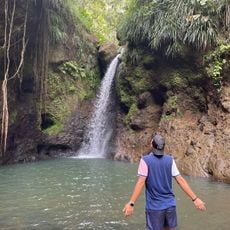
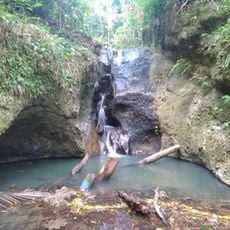
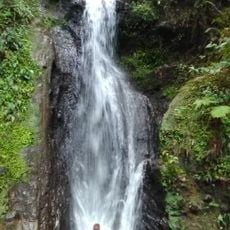
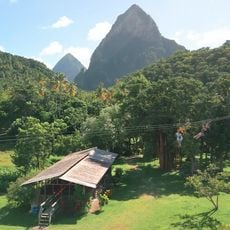
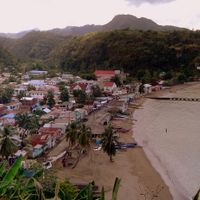
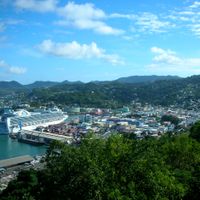
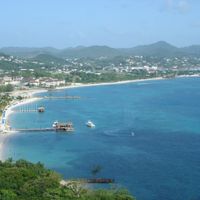
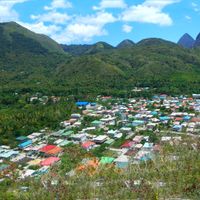
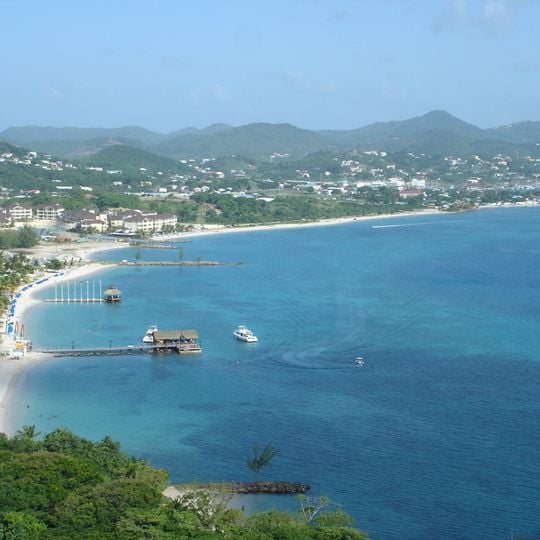
Saint Lucia is a 617-square-kilometer (238-square-mile) territory stretching 43 kilometers (27 miles) with a central mountain range covered in dense tropical rainforest. Two dormant volcanic peaks known as the Pitons rise over 770 meters (2,530 feet) along the southwestern coast, while black and white sand beaches line the shorelines.
Arawak and later Carib peoples settled the territory from around 200 CE before French colonists established a permanent settlement in 1660. The British took control during several 18th-century wars, with final cession occurring in 1814, while plantation agriculture shaped the land until slavery abolition in 1834.
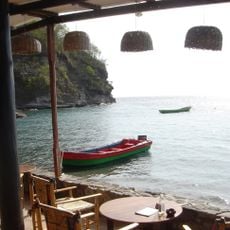
The annual October Creole Heritage Week celebrates French-African roots through traditional quadrille music, roasted breadfruit festivals and public storytelling sessions in villages. Local craftsmen still build handmade canoes using techniques passed down from Carib ancestors, while fishermen use the wooden gommier boats for daily catches.
Hewanorra International Airport near Vieux Fort receives direct flights from North America and Europe, while smaller George F. L. Charles Airport in Castries handles regional connections. The May through November rainy season brings storm risks, while December to April offers drier conditions. Local buses run between coastal towns but require patience with irregular schedules.
The Maria Islands off the southeast coast harbor the rare Liamuiga ground snake, one of only four known snake species worldwide that spends its entire existence underground. These tiny reptiles have never been observed breaking through the surface soil.
The community of curious travelers
AroundUs brings together thousands of curated places, local tips, and hidden gems, enriched daily by 60,000 contributors worldwide.