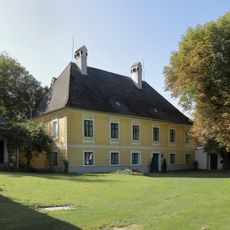
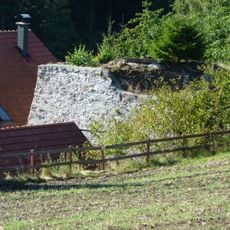
Hartenstein Castle, Medieval castle in Weinzierl am Walde, Austria
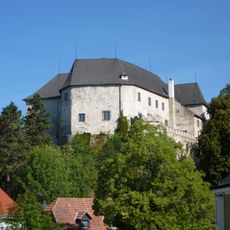
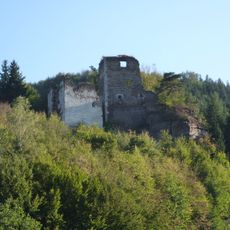
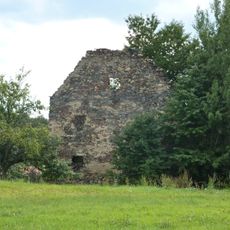
Hartenstein is a castle perched on a hilltop near the Kleine Krems river in Austria, displaying medieval stonework and defensive features of its era. The structure dominates the landscape and is visible from multiple hiking paths in the area.
Hartenstein is first documented in 1187 with Heinricus de Hertinsteine, possibly a descendant of the Kuenringer. The castle passed through the Kaja and Kamegg families until 1270, then to the Stadekke brothers, and in 1300 to Heinrich von Wallsee, who had it administered by burgraves. From 1380 to 1411 it belonged to the Maissau family, followed by the Rappach, Neidegg and Scheck families from 1416 onward. In 1645 it withstood a brief Swedish siege that blew up an outer work called the Nasn.
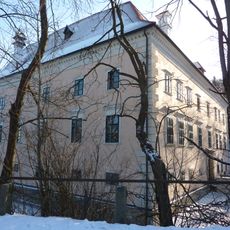
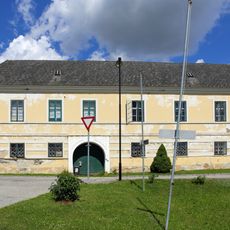
The name Hartenstein is first documented in 1187 with Heinricus de Hertinsteine, a possible descendant of the Kuenringer. From 1726 the castle was held by the Gudenus family until 1927, and in 1892 the physician Otto Pospischil set up a cold-water cure in the forecourt rebuilt in castle style. During the Nazi period the German Youth Hostel Association used the building as a "Jugendburg".
The interior of the castle is closed to visitors, but numerous hiking trails loop around the grounds and provide varying viewpoints. These paths allow you to explore the surroundings thoroughly while observing the structure from different angles.
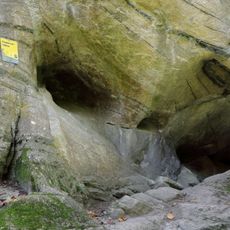
Below the castle, the Gudenushöhle was carved out by the Kleine Krems stream. Excavations there uncovered Lower Austria's earliest traces of settlement, nearly 100,000 years old, including hand axes and other stone tools left by Neanderthals. The cave is named after the Gudenus family, who held Hartenstein from 1726 to 1927.
The community of curious travelers
AroundUs brings together thousands of curated places, local tips, and hidden gems, enriched daily by 92,775 contributors worldwide.