Burgruine Hohenstein, Medieval castle ruin in Gföhl, Austria
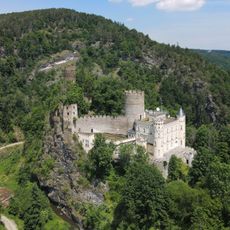
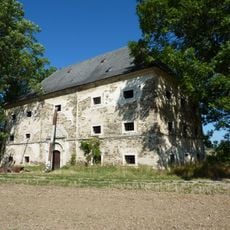
Burgruine Hohenstein is a castle ruin complex on a steep cliff above the Krems River, with stone walls of considerable thickness and multiple window openings. The remains still show the basic structure of a defensive building with recognizable spatial layout.
A ducal charter of 1156/1171 first names a "Reinpreht de Hohinstaine"; the Hohenstein family, a branch of the Ottenstein-Rastenberg lords, appears in charters until 1391. A chapel to Saint Peter is recorded in 1377 and the castle is called a "castrum" in 1429. In 1430 it passed to the Starhembergs and by 1456 it was already described as deserted; from 1725 it has belonged to the Barons of Gudenus.
The castle chapel, first documented in 1377, was dedicated to Saint Peter. It stands on a lower plateau east of the main building as a squat Romanesque apse hall of the 12th century, about 8.40 by 8.00 metres. The noble Hohenstein family, recorded in charters until 1391, also placed daughters in convents: Euphemia von Hohenstein was a nun at Imbach in 1360.
The ruins sit on a ridge with paths leading to them, and reaching the site requires some effort. Visitors should wear appropriate footwear since the terrain is uneven and caution is needed when exploring the remains.
The site was abandoned around 1456, making it an unusually early example of a deserted medieval castle. This early abandonment sets it apart from many other castles in the region that remained occupied or in use much longer.
The community of curious travelers
AroundUs brings together thousands of curated places, local tips, and hidden gems, enriched daily by 93,068 contributors worldwide.