Stausee Wasserfallboden, lake in Austria
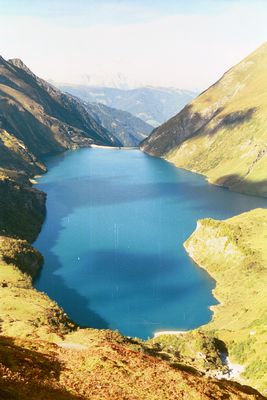
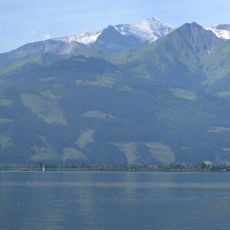
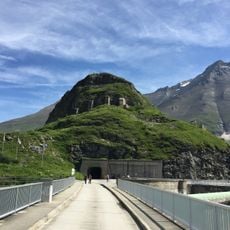
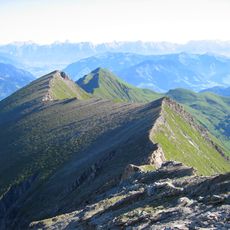
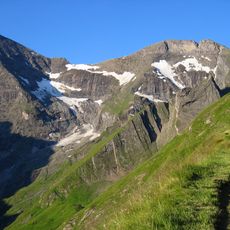
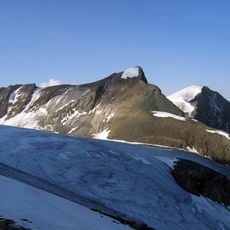
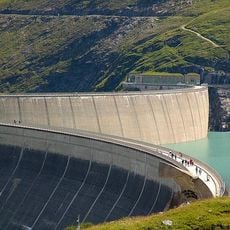
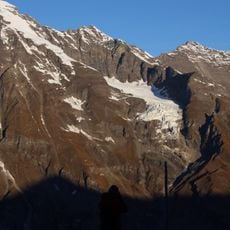
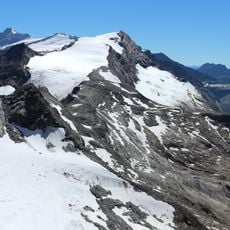
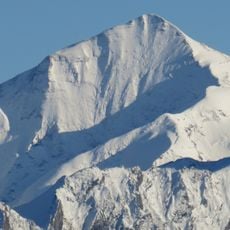
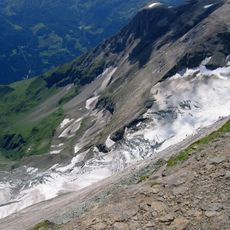
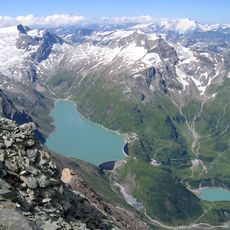
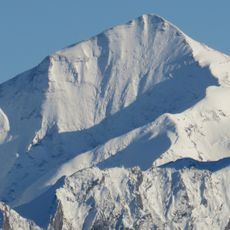
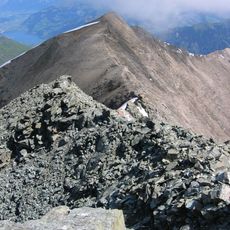
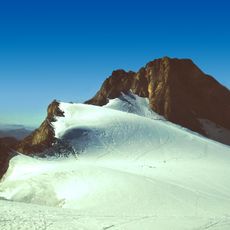
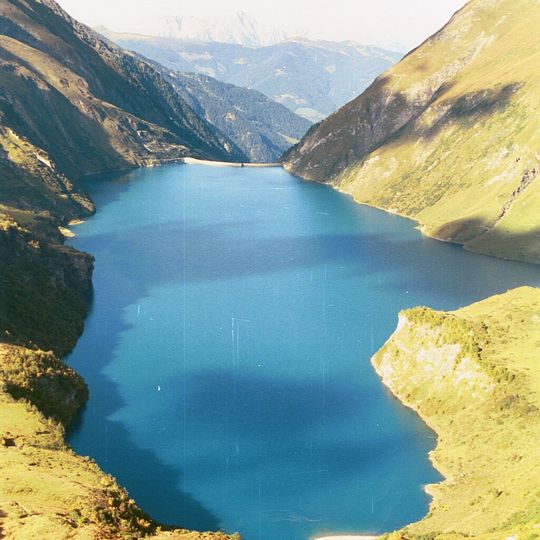
Stausee Wasserfallboden is a mountain reservoir nestled at approximately 2040 meters above sea level in the Hohe Tauern, surrounded by steep alpine peaks. A curved concrete dam over 100 meters high holds back the turquoise water, which flows through hidden tunnels to power turbines for electricity generation.
Construction of the dam began in 1938 but was halted during the war and later resumed with post-war reconstruction assistance, completing in 1951. This project represented one of the most significant infrastructure achievements of the post-war period in the Kaprun region.
The reservoir serves as a place where visitors experience the connection between natural forces and human engineering in the mountains. Families, hikers, and adventure seekers gather here to witness how the landscape is shaped by both geology and technical achievement.
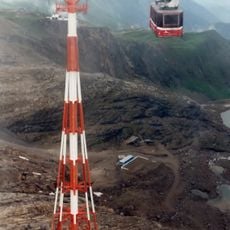
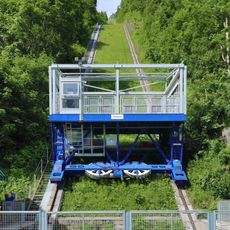
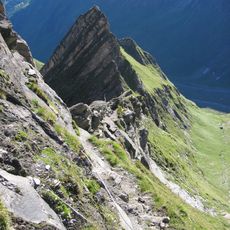
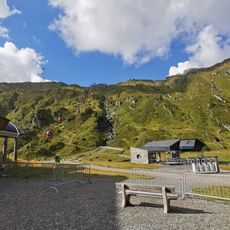
Access is available from June to October via shuttle buses and the Lärchwand inclined lift, Europe's largest open lift of its kind. Visitors can take guided dam tours, enjoy hiking trails, or attempt via ferrata routes, with parking and transport connections from Kaprun.
This site was once a inhabited valley with a mountain hut built in 1868 that was flooded when the dam was constructed. The submersion of this former refuge reveals how the creation of the reservoir transformed the human story of the mountain.
The community of curious travelers
AroundUs brings together thousands of curated places, local tips, and hidden gems, enriched daily by 90,902 contributors worldwide.