Historic Centre of Vienna, UNESCO World Heritage Site in Vienna, Austria.
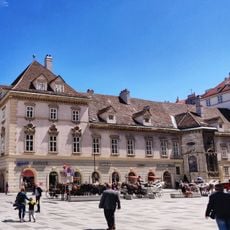
The Historic Centre of Vienna is an old city core with buildings from the Middle Ages, the Baroque period, and the 1800s that line the famous Ringstrasse boulevard. The structures display different architectural styles that together form the layers of the city's central character.
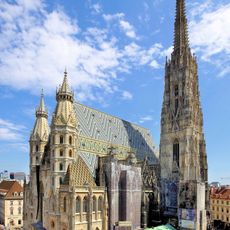
Vienna grew from the Roman camp Vindobona into a trading town on the Danube, and its rise as a residence began when the Babenbergs moved their court here from Klosterneuburg in 1155; the city received its charter in 1221. The Habsburgs took over in 1278, and under Rudolf IV in the 14th century St. Stephen's Cathedral and the university were built. Franz Joseph I had the walls replaced by the Ringstrasse after 1857.
The Vienna State Opera, Parliament Building, and City Hall along the Ringstrasse showcase the architectural grandeur that shaped the city's identity in the 1800s. These structures define how people understand and move through the center today, serving as landmarks that mark the rhythm of daily life.
All major landmarks in the center are easily reached by trams, buses, and underground trains that serve the entire historic zone. Plan to visit early in the day to avoid crowds and get a clearer view of the buildings and squares.
The World Heritage site was placed on the endangered list on 6 July 2017, after Vienna's city council approved a high-rise project on the Heumarkt. A planned tower at Wien Mitte station was criticised by the committee and never built, and in 2008 a building at the Hauptbahnhof was lowered so it would not be seen from the Belvedere's palace garden.
The community of curious travelers
AroundUs brings together thousands of curated places, local tips, and hidden gems, enriched daily by 93,843 contributors worldwide.