Shirvan State Nature Reserve, Protected nature reserve near the Caspian Sea, Azerbaijan
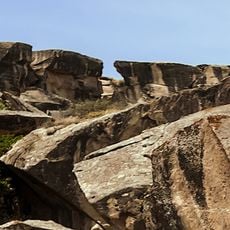
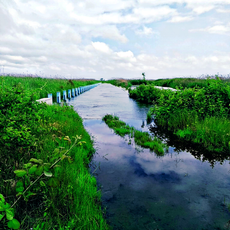
The Shirvan State Nature Reserve is a protected area near the Caspian Sea covering flat semi-desert plains that lie below sea level. The territory includes extensive wetlands and water bodies that support diverse wildlife.
Hunting jayran was banned in Azerbaijan in 1959, and the Bendovan zakaznik was created in the Shirvan steppe in 1961, when only 77 jayran remained there. On 30 April 1969 part of its land and adjoining steppe became the Shirvan reserve, initially 17,745 ha. After 1,150 ha were taken for a livestock complex in 1978, 9,216 ha were added in 1982, bringing the total to 25,761 ha; in 2003 most of it passed to Shirvan National Park, leaving 6,232 ha as the reserve core.
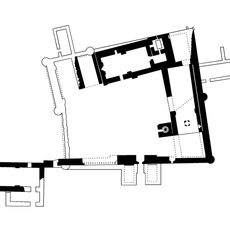
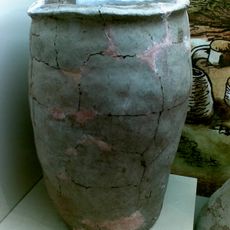
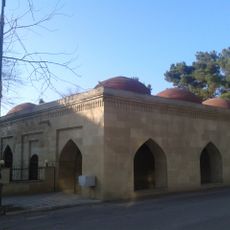
The reserve's name derives from Shirvan, the historical region of the plain; the lion etymology in the current text is not supported by the sources. Visitors today can join guided excursions led by multilingual rangers who explain the protected gazelles, migratory birds and the submerged city of Bandovan, whose excavated remains are kept in a museum inside the national park.
Access is strictly controlled to preserve natural habitats and protect wildlife populations. Visitors should plan to observe migratory birds and their seasonal movements, particularly during nesting and wintering periods.
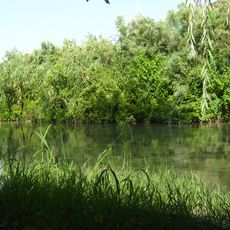
The reserve's land lies 20 to 25 metres below sea level, and its only natural water body is Lake Chala, a 100-hectare lake of which just 3.5 hectares fall inside the reserve; the rest belongs to the neighbouring Byandovan sanctuary. The lake's reeds make it important for migratory waterfowl.
The community of curious travelers
AroundUs brings together thousands of curated places, local tips, and hidden gems, enriched daily by 94,518 contributors worldwide.