Lankaran-Astara Economic Region, Economic region in southeastern Azerbaijan
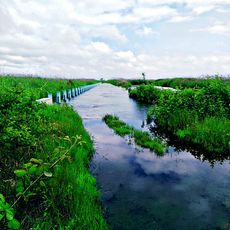
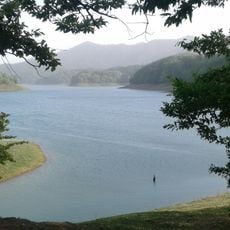
The Lankaran-Astara Economic Region is an administrative zone in southeastern Azerbaijan, running along the Caspian Sea coast between the Iranian border and the foothills of the Talysh Mountains. It covers six districts, ranging from flat coastal plains in the north to forested hills in the south.
The zone was created through an administrative reform to coordinate agriculture and trade between Azerbaijan and Iran along a historically active border. Over time it shifted from a mainly farming area into a key goods and transit corridor linking both countries.
Tea farming has shaped daily life here for generations, and visitors can see working tea gardens across the countryside that turn the landscape into layered green rows. In small towns, traditional teahouses remain gathering spots where locals start and end the day with black tea served in small pear-shaped glasses.
The region is reachable by the Baku-Astara railway and by Lankaran airport, which offers connections from the capital. Spring and autumn bring the most comfortable conditions, and autumn also coincides with the tea harvest when the hillside plantations are most active.
Hirkan National Park within this region shelters Persian ironwood trees, a species that has survived since before the ice ages and grows nowhere else with this density. The park is one of the few places in the world where this relic forest can still be seen in its original form.
The community of curious travelers
AroundUs brings together thousands of curated places, local tips, and hidden gems, enriched daily by 91,038 contributors worldwide.