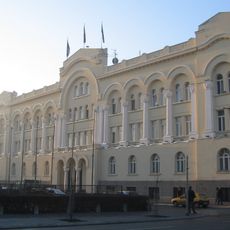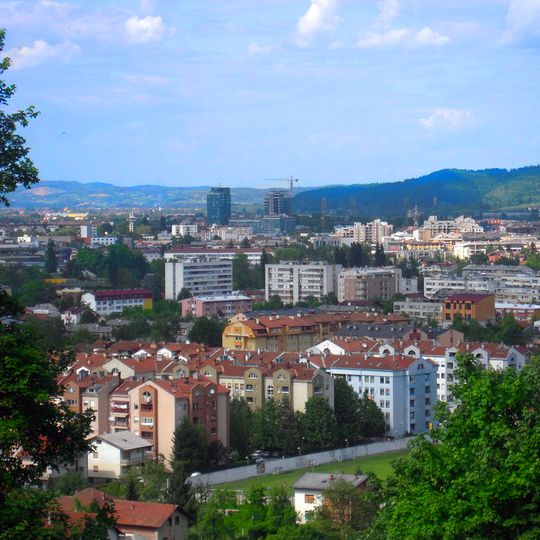
Banja Luka, Administrative center in northern Bosnia and Herzegovina
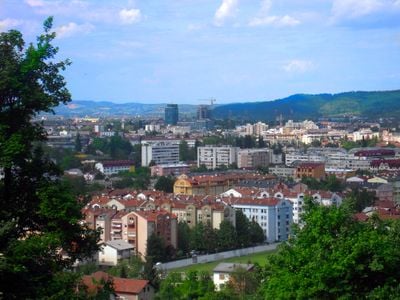
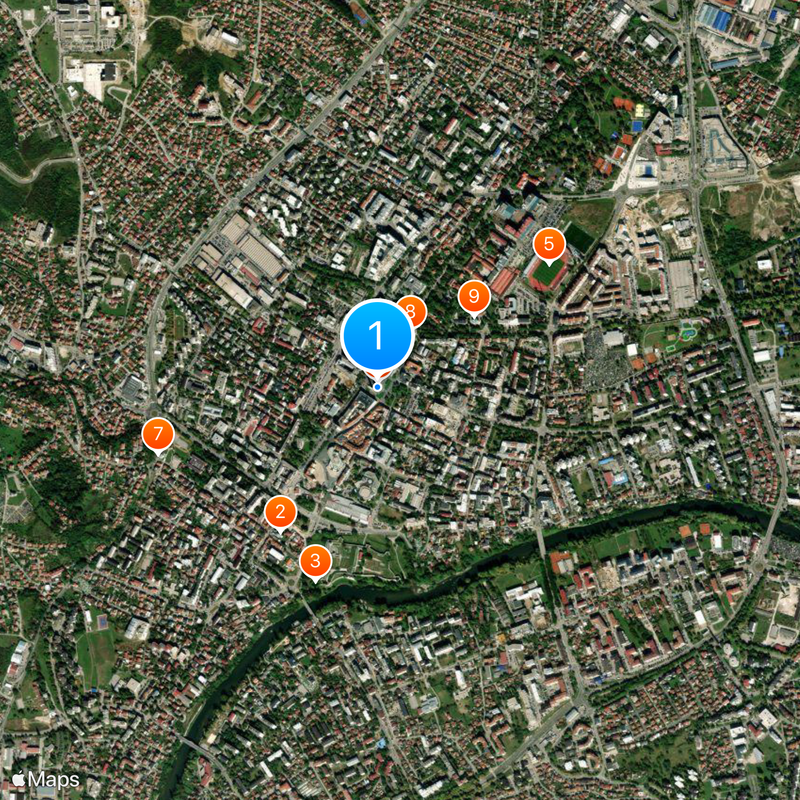
Banja Luka spreads along both banks of the Vrbas River and contains numerous green spaces as well as modernized districts at an elevation of roughly 163 meters. The city connects several bridges over the river and features wide avenues interrupted by parks and squares.
First documented in 1494, the city developed as a military center during Ottoman rule and became the capital of Republika Srpska after 1992. A severe earthquake in 1969 led to extensive reconstruction work that changed the face of many districts.
The Museum of Modern Art of Republika Srpska displays regional work, while the National Theatre offers performances all year. Local cafés along the Vrbas riverside promenade attract people who meet for coffee in the late afternoon.
The Go Parking app enables cashless parking with a bank card in the central districts. Most public areas along the river are easy to reach on foot, and signs in both Latin and Cyrillic script help with orientation.
The Kastel fortress at the confluence of the Vrbas and Vrbanja now hosts 50 new benches and an updated lighting system. Visitors can walk along the fortress walls and observe the river from different viewpoints.
The community of curious travelers
AroundUs brings together thousands of curated places, local tips, and hidden gems, enriched daily by 90,807 contributors worldwide.