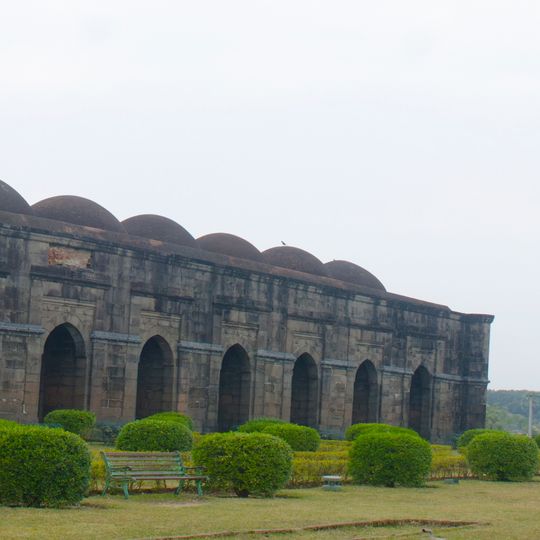
Gauḍa, Archaeological site in Malda District, India and Bangladesh
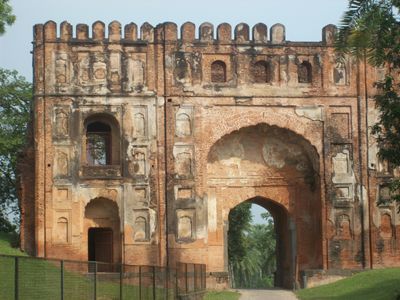
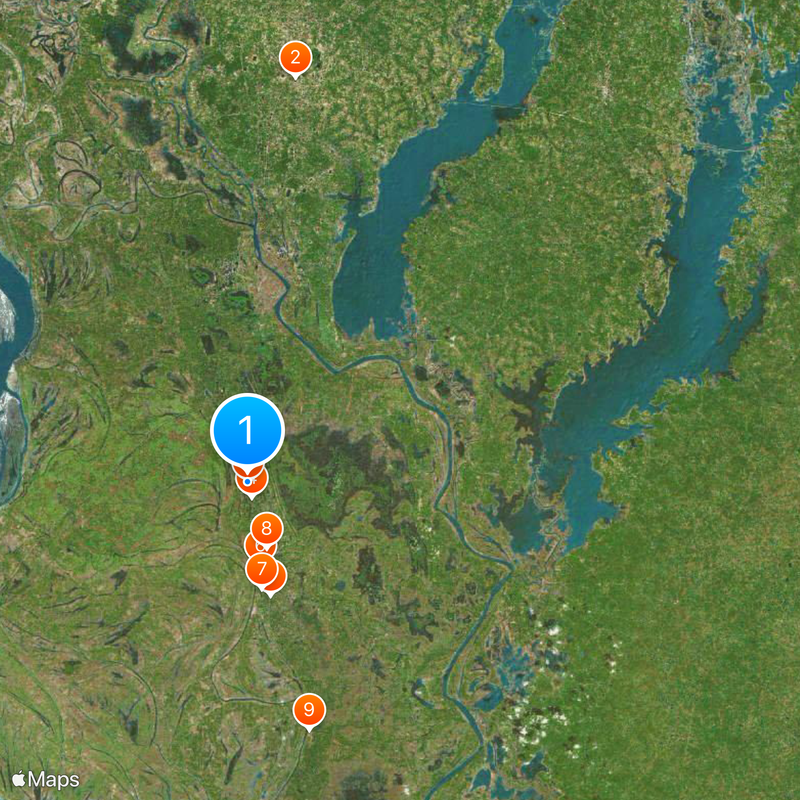
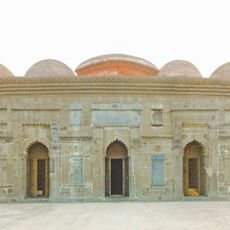
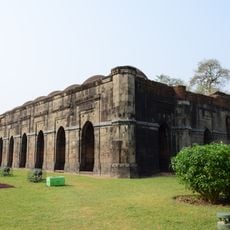
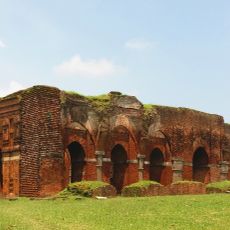
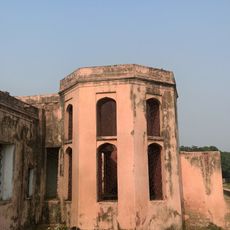
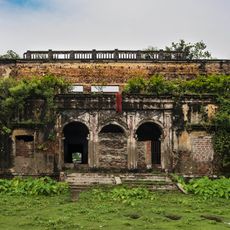
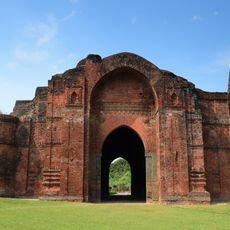
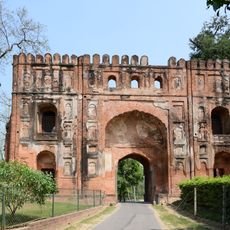
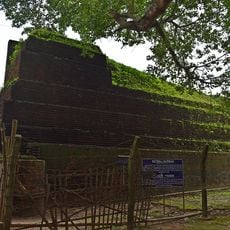
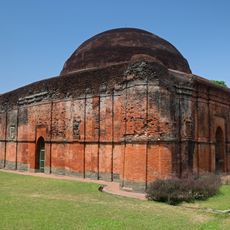
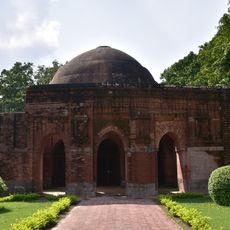
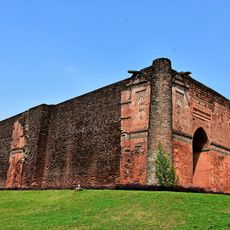
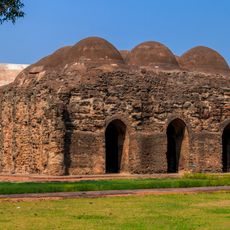
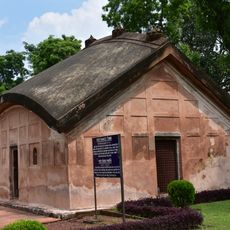
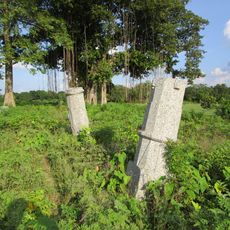
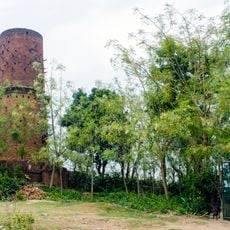
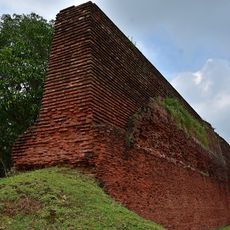
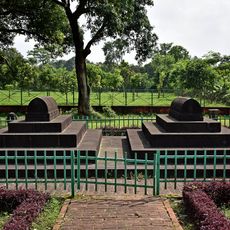
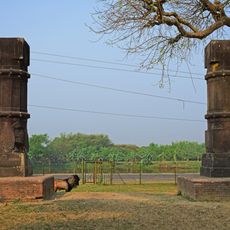
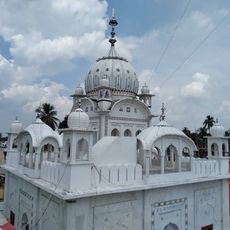
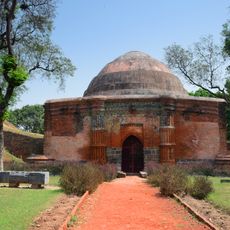
Gaur is an extensive archaeological site in Malda District on the border between India and Bangladesh, containing hundreds of medieval ruins. The remains include mosques, gateways, minarets, tombs and fortifications scattered across open fields and wooded areas.
The city was founded by Buddhist kings and grew into a power center under Sena rulers in the 12th century. Muslim sultans took over Gaur in the 13th century and developed it into the capital of Bengal until the 16th century, before the city was abandoned after epidemics.
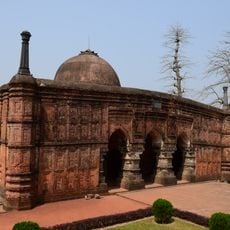
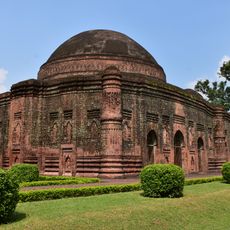
The name Gaur refers to the medieval metropolis that drew merchants and scholars from Persia and Central Asia. Today visitors see buildings where Islamic arches combine with local terracotta ornament and Bengali roof shapes.
The site straddles the India-Bangladesh border, so travelers should check visa and permit requirements in advance. Many ruins stand amid fields and villages, so a local guide and sturdy footwear help with orientation.
The Tantipara Mosque preserves terracotta panels with Hindu motifs reused from older temples. These elements show how builders incorporated material from earlier religious structures into new buildings.
The community of curious travelers
AroundUs brings together thousands of curated places, local tips, and hidden gems, enriched daily by 92,164 contributors worldwide.