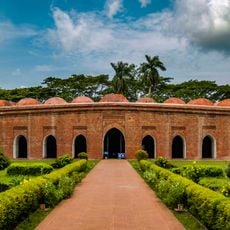
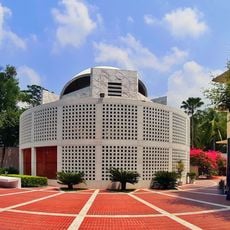
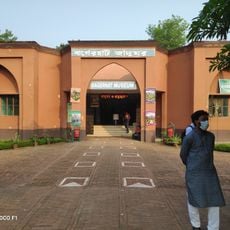
Khulna Divisional Museum, Government museum in Khulna, Bangladesh.
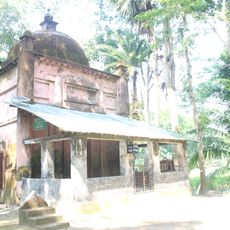
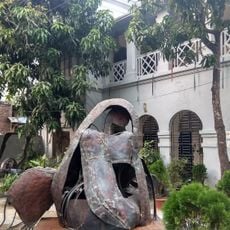
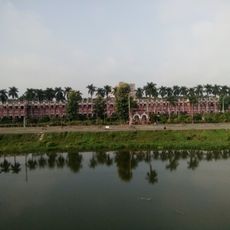
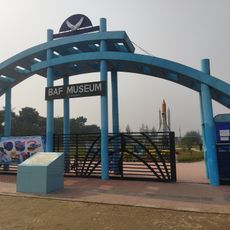
The Khulna Divisional Museum is an archaeological museum in Khulna, Bangladesh, established in 1998 and run under the National Museum and the Department of Archaeology. It is the country's second largest museum by area. Its displays include artefacts from excavations at Bharata Bhayana, such as busts of princely male figures, Hindu deities and early medieval pottery dated to around the 5th–6th century AD, plus gold and silver coins from Emperor Jahangir's reign.
The museum was founded in 1998 by a government agency to collect and display important findings from the southern region. The oldest pieces in the collection date back to the 5th and 6th centuries and came from excavations in the nearby area.
The museum displays busts of local rulers and religious sculptures that visitors encounter while walking through the exhibition halls. These objects give a sense of how people lived and what mattered to them in earlier times.
The location is best reached on foot or by taxi and sits in a central area of the city. Visitors should allow enough time to explore all exhibition areas and examine the collection thoroughly.
Among the exhibits are gold and silver coins from the reign of the Mughal emperor Jahangir, who ruled from 1605 to 1627. They sit alongside pottery and princely busts from the Bharat Rajar Deul excavations, dated by style to roughly the 5th–6th century AD.
The community of curious travelers
AroundUs brings together thousands of curated places, local tips, and hidden gems, enriched daily by 93,375 contributors worldwide.