Principality of Stavelot-Malmedy, Medieval ecclesiastical principality in Wallonia, Belgium
The Principality of Stavelot-Malmedy was an independent ecclesiastical territory within the Holy Roman Empire, based on two connected monasteries along the Amblève river. This principality operated as a sovereign state governed by monastic leaders and maintained complete control over its lands and population.
A religious community was established in 651 when local saints received royal authorization to govern monasteries in this region. Over centuries, these two institutions gained increasing power and eventually controlled their own territory as a principality.
Religious art produced in these monasteries reflected local artistic traditions, particularly in illuminated manuscripts and ornate religious containers. The workshops here influenced artistic styles across the wider region during the medieval period.
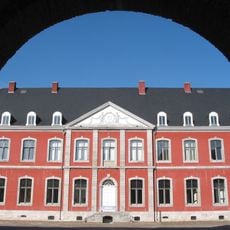
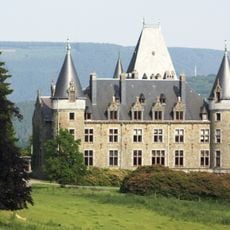
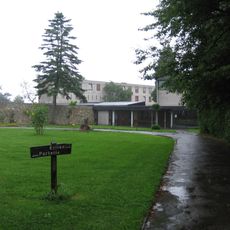
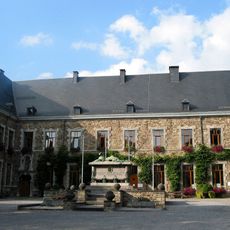
Remnants of the monastic buildings are scattered across the region and partially preserved for visitors to see. A museum in Stavelot displays historical items and documents that help explain how this principality functioned.
The principality operated under dual leadership, with two separate abbots sharing control and occasionally competing for authority. This split administration created an unusual form of governance that required creative solutions to resolve disputes.
The community of curious travelers
AroundUs brings together thousands of curated places, local tips, and hidden gems, enriched daily by 92,691 contributors worldwide.