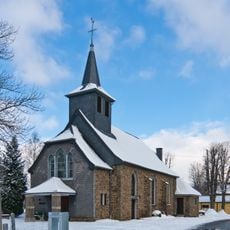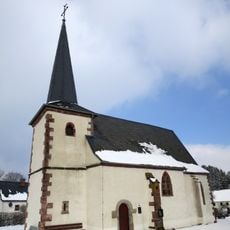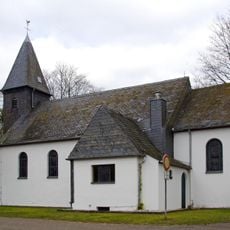
Arskrippana, Cultural museum in Büllingen, Belgium
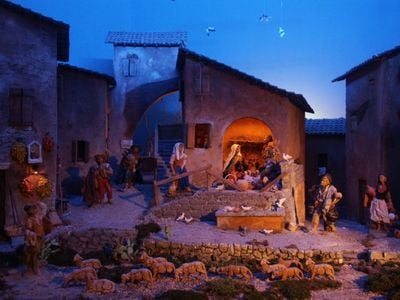
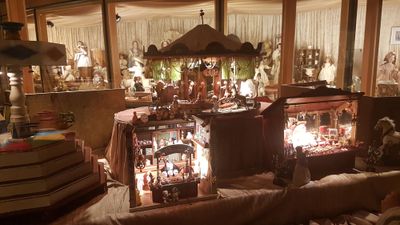
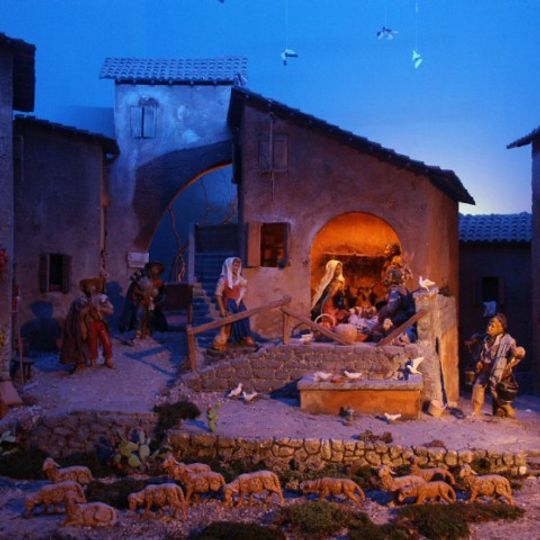
Arskrippana is a museum in Büllingen dedicated to displaying nativity scenes from around the world in various forms and styles. The collection combines stationary artworks with mechanical moving displays and realistic landscape settings that bring the scenes to life.
The Krippana opened in 1978 in a former dairy in Monschau-Höfen, showing nativity scenes for ten months a year before they returned to their home churches at Christmas. Fire-safety problems forced a move, and in 1989 it reopened as ArsKrippana in Losheim, near the Belgian border. Founders Hans and Hubert Scheins and organiser Friedrich Jansen were members of the Aachen nativity-scene friends' association.
The name ArsKrippana is a pseudo-Latin blend of ars (art) and Krippe (crib). The museum grew from the collection of the Aachen crib friends' association, founded by brothers Hans and Hubert Scheins with Friedrich Jansen; it now houses that association's Belgian branch. Spanish landscape cribs and Shona stone carvings from Zimbabwe, often in serpentine, sit alongside church cribs, and temporary shows change yearly.
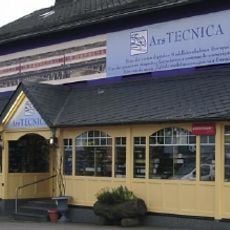
The museum stands at Hergersberg 1 in Büllingen, on the Belgian side of the German border near Losheim, reached via the B265 and B421 roads. The 2,500 m² exhibition area is shared with the ArsFIGURA doll display, the ArsShona stone sculptures and the ArsTECNICA model railway, so plan separate time for each. Temporary exhibitions change through the year.
The smallest nativity scene on display measures no more than four millimetres, and another is built from 27,380 matches. A Sicilian nativity scene made for Pope John Paul II, shown in the Vatican in 1987, was restored by the Liège specialist Michel Vincent, curator here from 1998 to 2005.
The community of curious travelers
AroundUs brings together thousands of curated places, local tips, and hidden gems, enriched daily by 95,681 contributors worldwide.